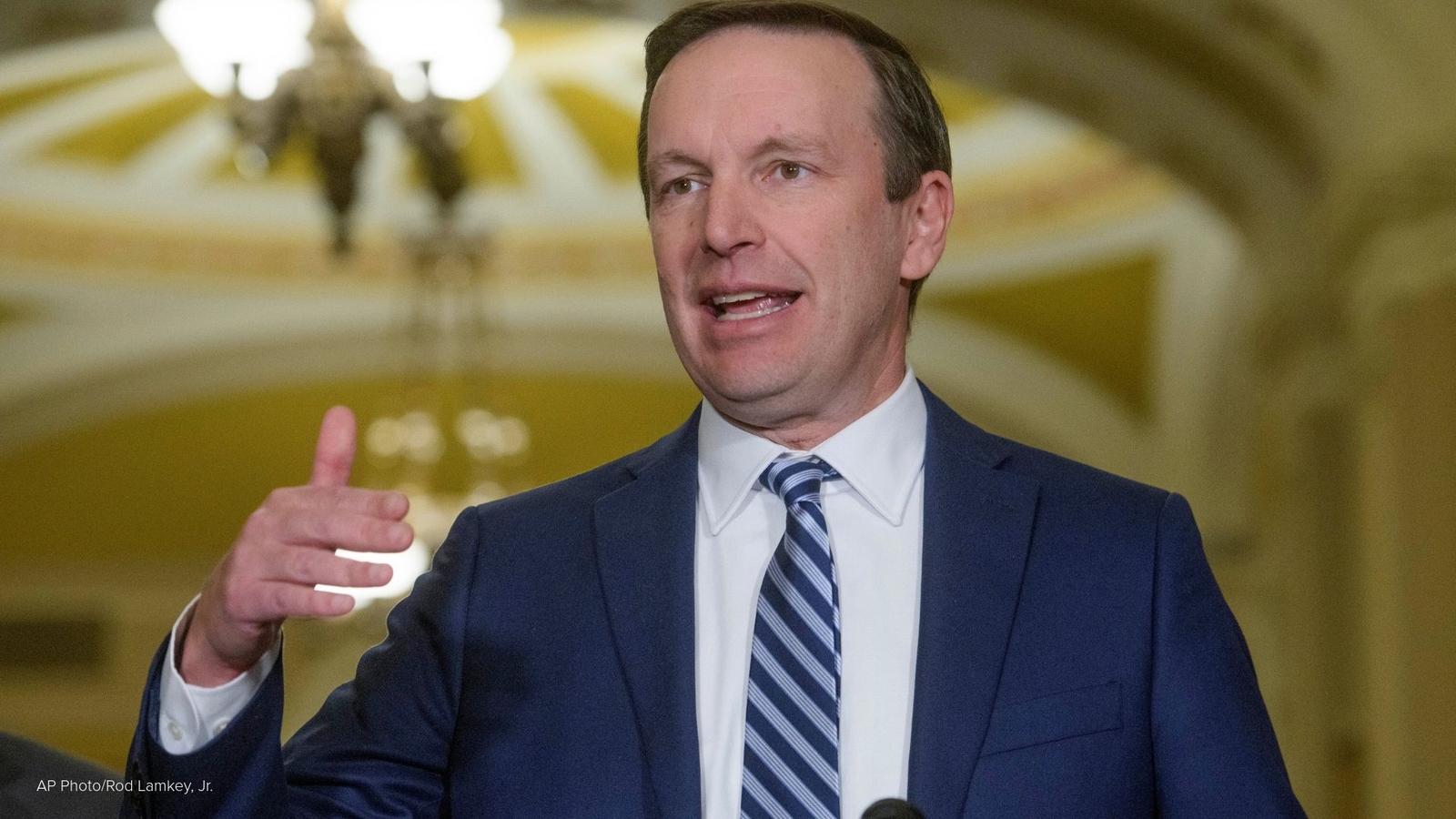
Senator Chris Murphy’s Path to Recovery Following Hemorrhagic Stroke
Democratic Senator Chris Murphy of Connecticut has been discharged from Johns Hopkins Hospital following a stroke, transitioning to a rehabilitation facility to continue his recovery. The 53-year-old senator, a prominent voice on the Senate Appropriations Committee and a central figure in national gun and immigration policy, announced on Friday that he will be sidelined from legislative duties for several weeks. As reported by ABC7NY, Murphy sought emergency care on October 31 after sensing that something was not right with his body, a decision he later described as being made out of an abundance of caution.
The medical diagnosis confirmed a small hemorrhagic stroke, which involves bleeding in the brain. Specifically, according to reporting from NBC News, the bleed occurred in the thalamus region. His chief of staff, Allison Herwitt, noted that the senator first experienced symptoms—specifically numbness in his arm—while attending his son’s hockey game the day before he was hospitalized. He was initially admitted to a local hospital before being transferred to Johns Hopkins for specialized neurological care.
The Institutional Impact of a Senate Absence
Murphy’s absence comes at a high-stakes moment for the Senate Democratic Caucus. With the party having secured majority control in the recent midterm elections, the legislative agenda for the upcoming session is already taking shape. Murphy, who serves as the deputy secretary of the Senate Democratic Caucus, is widely viewed as a potential 2028 presidential contender and a rising force in party leadership. While he is currently stepping back from active floor participation, his office has confirmed that he remains in communication with his staff, who are continuing to handle constituent services and legislative priorities remotely.
Sen. Chris Murphy had a stroke and is in the hospital, his office says https://t.co/xhGaukYQbB
The physical toll of the campaign trail, which saw Murphy traveling extensively to support House and Senate candidates, serves as a backdrop to this medical event. Just days before the stroke, he had been campaigning in Connecticut for Governor Ned Lamont and in Minnesota for Lieutenant Governor Peggy Flanagan. The contrast between that high-tempo travel and his current rehabilitation timeline highlights the sudden shift in the senator’s daily reality.
“Senator Murphy has shown tremendous progress, and at the current rate of improvement, we expect that he will make a full recovery following rehabilitation,” said Dr. Jose Suarez, chief of neurosciences critical care at Johns Hopkins Hospital.
Precedent and Perspective in the Upper Chamber
Murphy is not the first member of the Senate Democratic caucus to navigate a medical crisis of this nature in recent years. His recovery process follows a path similar to that of his colleagues. Senators Ben Ray Luján of New Mexico and Chris Van Hollen of Maryland both experienced strokes in 2022 and have since returned to their duties. Similarly, Senator John Fetterman of Pennsylvania, who suffered a stroke while campaigning for his seat that same year, remains in the Senate, where he utilizes adaptive technology—such as live captioning on a tablet—to assist with communication.
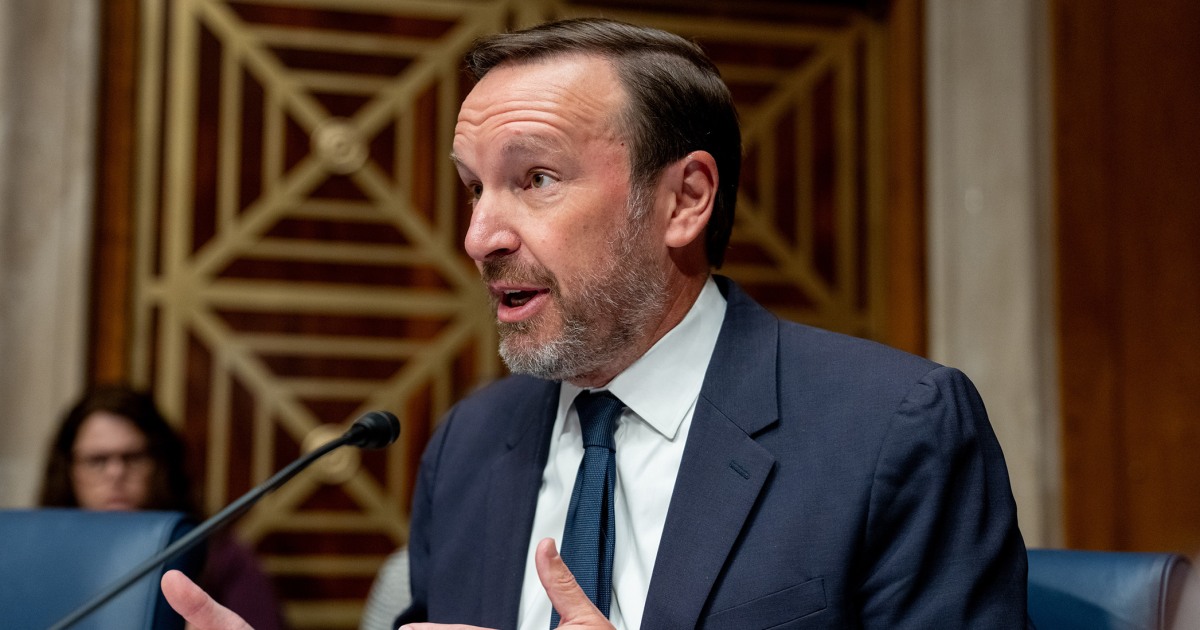
The medical reality of a hemorrhagic stroke, as outlined by the Cleveland Clinic, often involves symptoms such as dizziness, one-sided weakness, and headaches. While the senator’s medical team expresses optimism regarding his prognosis, the exact cause of the stroke remains undisclosed. This medical uncertainty, combined with the rigorous demands of the Senate’s upcoming legislative calendar, leaves the timeline for his full return to the Capitol as the primary variable in the chamber’s leadership dynamics.
For now, the focus remains on his rehabilitation. The senator has publicly thanked the medical staff at Johns Hopkins and expressed gratitude for the privacy afforded to his family during this period. As the Senate prepares for the new Congress, the focus shifts to how effectively a key Democratic leader can balance the physical requirements of recovering from a brain injury with the political demands of his office.
Related reading
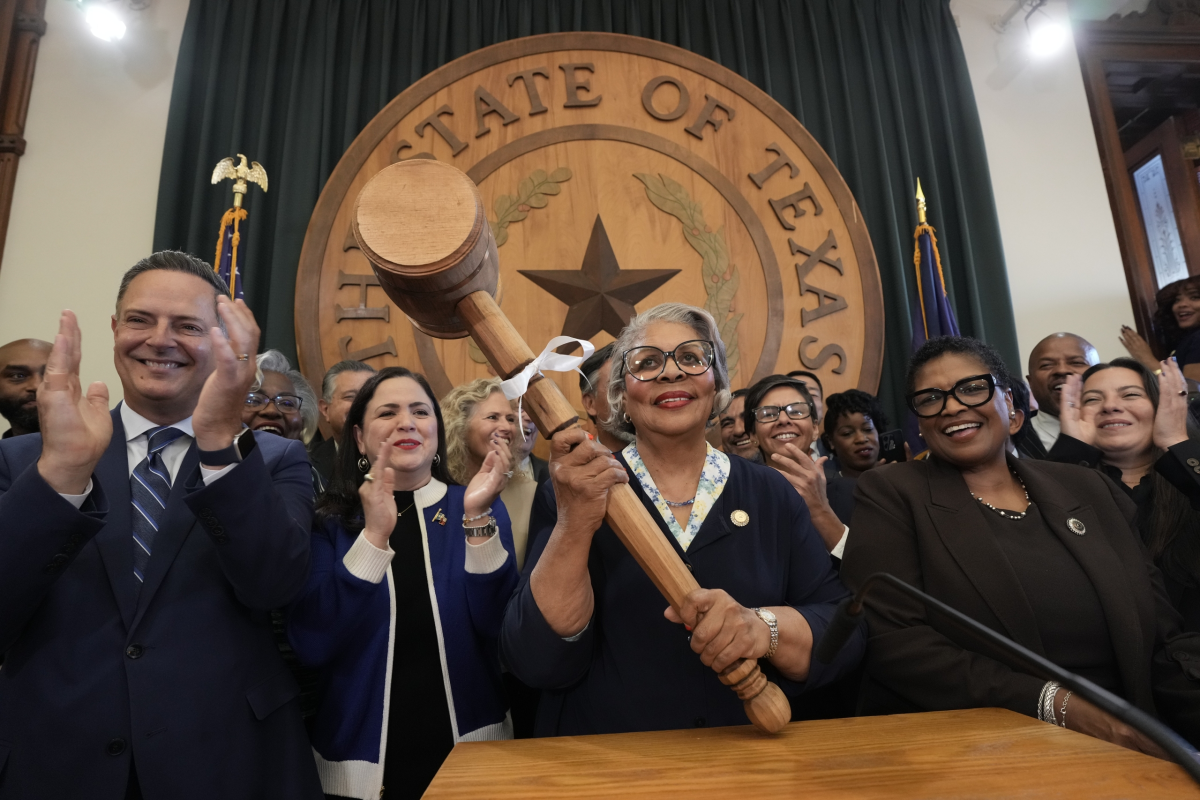
Senfronia Thompson Claims Enough Votes to Become Texas House Speaker
A Historic Shift in the Texas House State Rep. Senfronia Thompson, a fixture of the Texas Legislature since...

Marsha Blackburn wins Tennessee governorship with 45.5% of vote
A Victory in the Reddest State That Felt Like a Warning The election night party for U.S. Senator...

Fargo Force Lead USHL Standings as Tri-City and Waterloo Chase Top Spot
Fargo Force Maintain Command as USHL Standings Tighten The Fargo Force enter this weekend’s slate of games firmly...

Rhode Island Recycling Debate Intensifies Over Proposed Bottle Bill
Rhode Island is once again wrestling with the stubborn logistics of its waste stream, as state officials reopen...