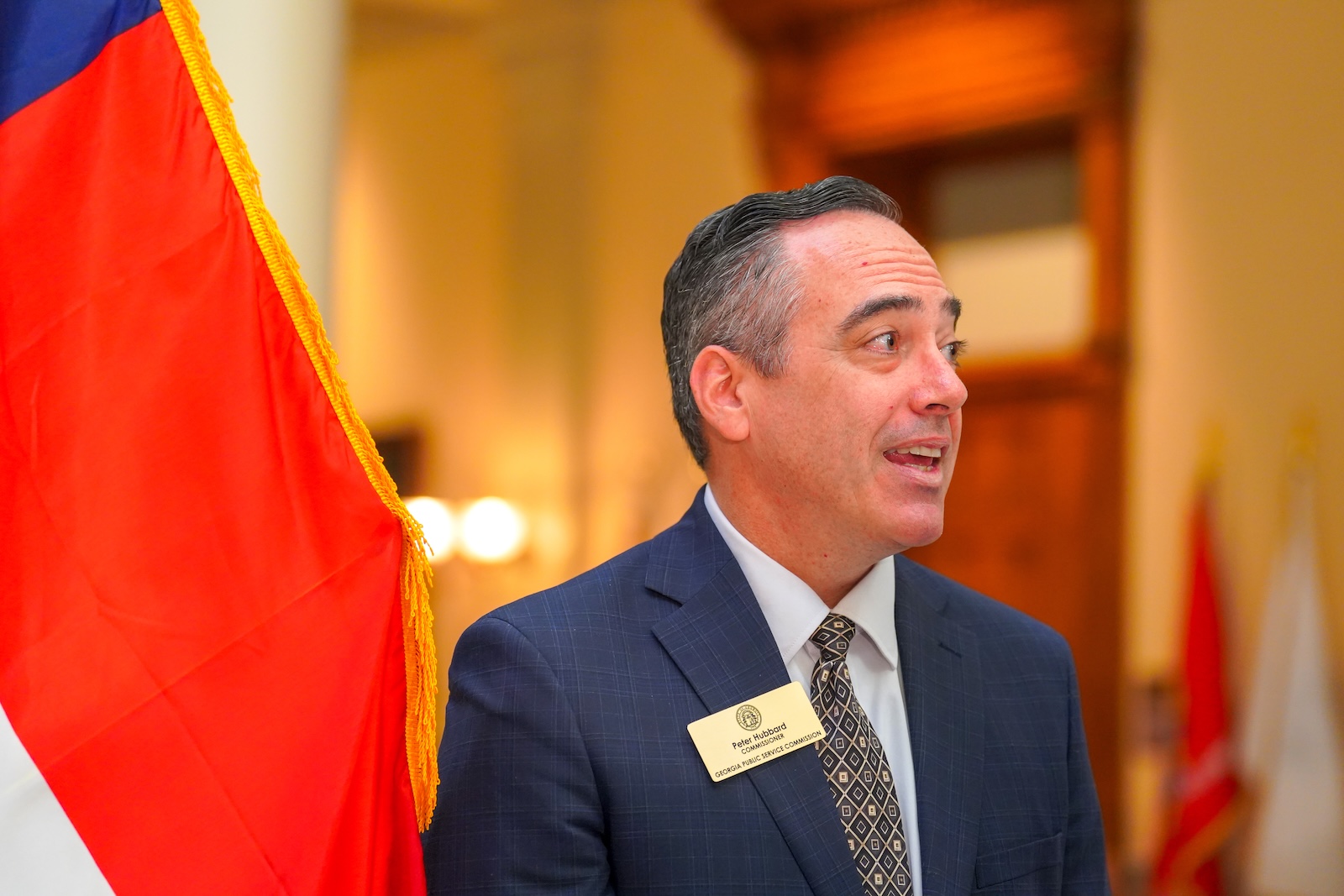
Georgia Public Service Commission Shifts to Democratic Control
For the first time in three decades, the political composition of the Georgia Public Service Commission (PSC) is changing hands. Beginning in January, Democrats will hold three of the five seats on the powerful board that regulates the state’s energy sector, including the largest electric provider, Georgia Power. As reported by Grist.org, the shift follows a two-year electoral cycle where the cost of living and energy affordability became central pillars of the campaign trail.
The commission has long operated with a Republican majority, but recent cycles of rising power bills and the massive energy demands of emerging data centers have turned this once-obscure body into a focal point for voter frustration. With the new majority secured, the incoming commissioners are signaling a departure from the status quo, promising a more aggressive approach to oversight and consumer protection.
The Affordability Agenda
Democratic Commissioner Peter Hubbard, who successfully defended his seat this week, has already outlined a clear, immediate priority: the launch of an “affordability docket.” This series of hearings is intended to peel back the layers of high utility bills and identify concrete ways to lower costs for the average household. Hubbard acknowledged the scale of the task ahead, noting that the commission will need to triage a “long laundry list” of items that have been neglected or under-prioritized in recent years.
While the political shift is significant, experts warn that the transition will not result in overnight relief. Kristin Phillips, an associate professor at Emory University who specializes in energy burden and the PSC, noted that while the fundamental approach to decision-making is likely to shift, the impact on monthly utility statements may be more gradual. “We may not be able to expect immediate effects on our wallets,” Phillips said, “But I think we can expect immediate change in the types of decisions that are made.”
Data Centers and the Transparency Gap
Much of the public scrutiny surrounding Georgia Power stems from the rapid expansion of data centers across the state. The utility has maintained that these large-scale projects bring in enough revenue to create “downward pressure” on rates for residential and small business customers. This argument was central to the recent deal to supply power to a new OpenAI data center, which Georgia Power promised would save the typical customer roughly $15 per month in downward pressure—a figure that represents an offset to potential hikes rather than a direct reduction in current bills.

Advocacy groups, however, have remained skeptical of these claims, pointing to a persistent lack of transparency in how these deals are negotiated. When Georgia Power announced a temporary rate freeze last year, it did so without a public PSC hearing, effectively bypassing a process that would have allowed advocates to verify the company’s financial projections. As reported by Fortune, contracts such as the one for the OpenAI deal have been heavily redacted, leaving the public with only high-level summaries.
It’s not just this obscure regulatory body like it used to be treated. Its decisions directly affect household budgets, communities, health, and our energy future. — Brionté McCorkle, Georgia Conservation Voters
The Utility’s Response
Southern Company, the parent company of Georgia Power, has maintained that its current strategy is sound. CEO Chris Womack addressed the concerns during a third-quarter earnings call this past Thursday, expressing confidence that the company’s existing platform—which includes rate freezes and benefits derived from industrial growth—serves the needs of both the utility and the community. Womack suggested that the company is prepared to work with the new commissioners to address the ongoing concerns regarding affordability.
Looking Toward 2028
The new Democratic majority, which also includes commissioners Shelia Edwards and Alicia Johnson, plans to utilize their four-year term to push for long-term structural reforms. This includes a rigorous review of Georgia Power’s rate-setting process, which is next scheduled for 2028. Beyond electricity, Commissioner Hubbard has proposed conducting a rate case for the state’s natural gas utilities, a process he noted has not been undertaken in more than a decade.

The central question remains how much influence a regulatory board can exert over the complex, capital-intensive demands of a modern energy grid. While the new majority has promised to shift the direction of the state’s energy policy, the interplay between rising demand from the tech sector and the need to protect household budgets will continue to be the defining challenge for the commission. For now, the focus remains on whether the promise of increased transparency will translate into tangible policy changes that resonate with Georgia’s ratepayers.
- The Honolulu City Council has selected Councilmember Tyler Dos Santos-Tam as its new chair, marking
- Search continues for infant abducted from Atlanta home 48 years ago
- Russell Brand faces up to nine years in prison after rape conviction (newsarchyuk.com)
- Democrats Debate 2028 Strategy After Midterm Success (world-today-news.com)

The Honolulu City Council has selected Councilmember Tyler Dos Santos-Tam as its new chair, marking
Tyler Dos Santos-Tam to Lead Honolulu City Council The Honolulu City Council has selected Councilmember Tyler Dos Santos-Tam...

Search continues for infant abducted from Atlanta home 48 years ago
For forty-eight years, Donna Green has lived in a space between memory and mystery. In November 1978, she...

Delaware Police Issue Alerts for Wanted and Homeless Sex Offenders
Delaware State Police Update Registry for Homeless and Wanted Sex Offenders On Friday, November 6, 2026, the Delaware...
Sen. Chris Murphy Discharged From Hospital After Suffering Hemorrhagic Stroke
Senator Chris Murphy’s Path to Recovery Following Hemorrhagic Stroke Democratic Senator Chris Murphy of Connecticut has been discharged...