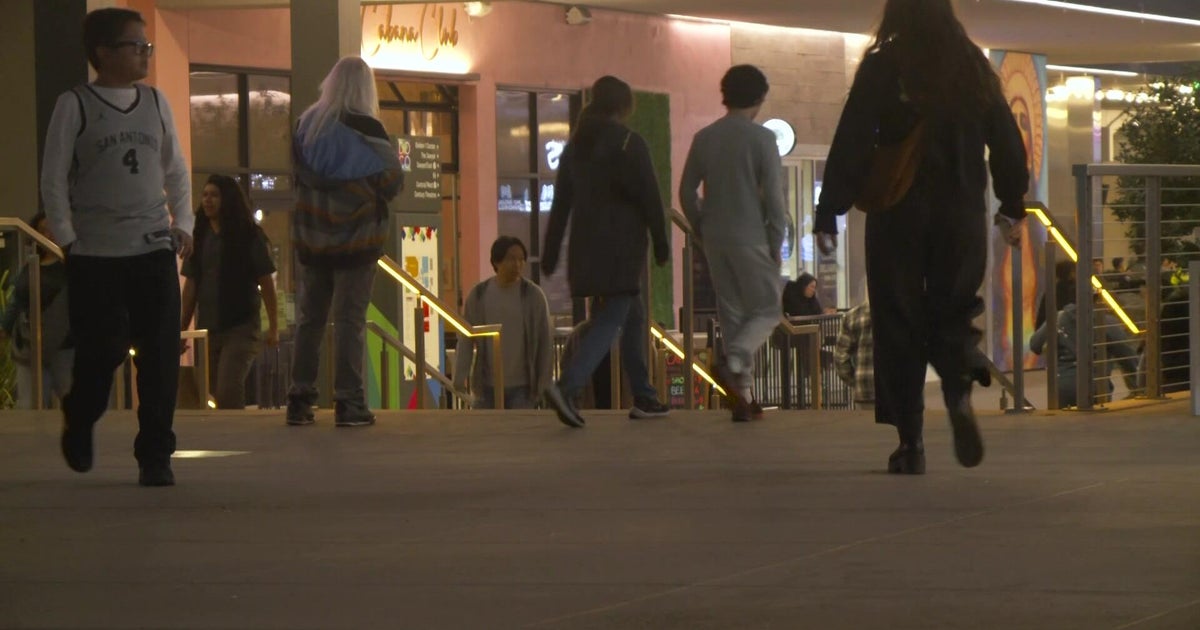
Downtown Sacramento Shifts Toward Nighttime Economy as Holiday Season Begins
“It’s exciting down here tonight. I just texted the family back home and said, hey, this place is popping tonight because of the Kings game,” said Tom Ferrando, a visitor from Portland, Oregon, who has frequented Sacramento annually for the last decade. His observation captures a transformation in the city’s core: a move away from the traditional 9-to-5 office-worker rhythm toward a destination built for evening entertainment.
As the holiday season officially kicks off in Sacramento, the Downtown Sacramento Partnership reports that foot traffic has largely recovered to pre-pandemic levels. While the area has weathered the closure of notable establishments—including Punch Bowl Social and, more recently, the steakhouse Echo & Rig—the vacancy rate does not tell the full story of the district’s economic health. According to Andrew LaFrance of the Downtown Sacramento Partnership, for every business that has shuttered its doors this calendar year, three have opened in their place.
The city has recorded 10 business closures so far in 2026, but those losses are offset by 30 new openings across the downtown core, Old Sacramento, and the Downtown Commons. This shift reflects a broader national trend where central business districts are pivoting from office-dependent commerce to “experience-based” economies to remain viable in a post-remote-work landscape.
The Changing Face of Sacramento Foot Traffic
For long-time visitors like Ferrando, the change is palpable. “You’d come out of the Holiday Inn and you wouldn’t turn left because it was just a Macy’s and a Starbucks and then it was kind of shaky,” he said. “Nowadays, that’s the first place we come is right down here, it’s wonderful down here now.”
“There’s so much going on that the foot traffic has pretty much recovered. It’s just in a different way, it’s not just day time office worker foot traffic, it’s more geared toward the night time economy and we’re seeing a lot of success with that,” said Andrew LaFrance with the Downtown Sacramento Partnership.
This transition toward a nighttime economy is essential for the city’s tax base, as urban centers across the United States grapple with high commercial vacancy rates. While the holiday season brings an immediate surge in activity—bolstered by the opening of the downtown ice skating rink—local business owners remain cautious about the long-term sustainability of this growth.
The January Challenge for Local Business
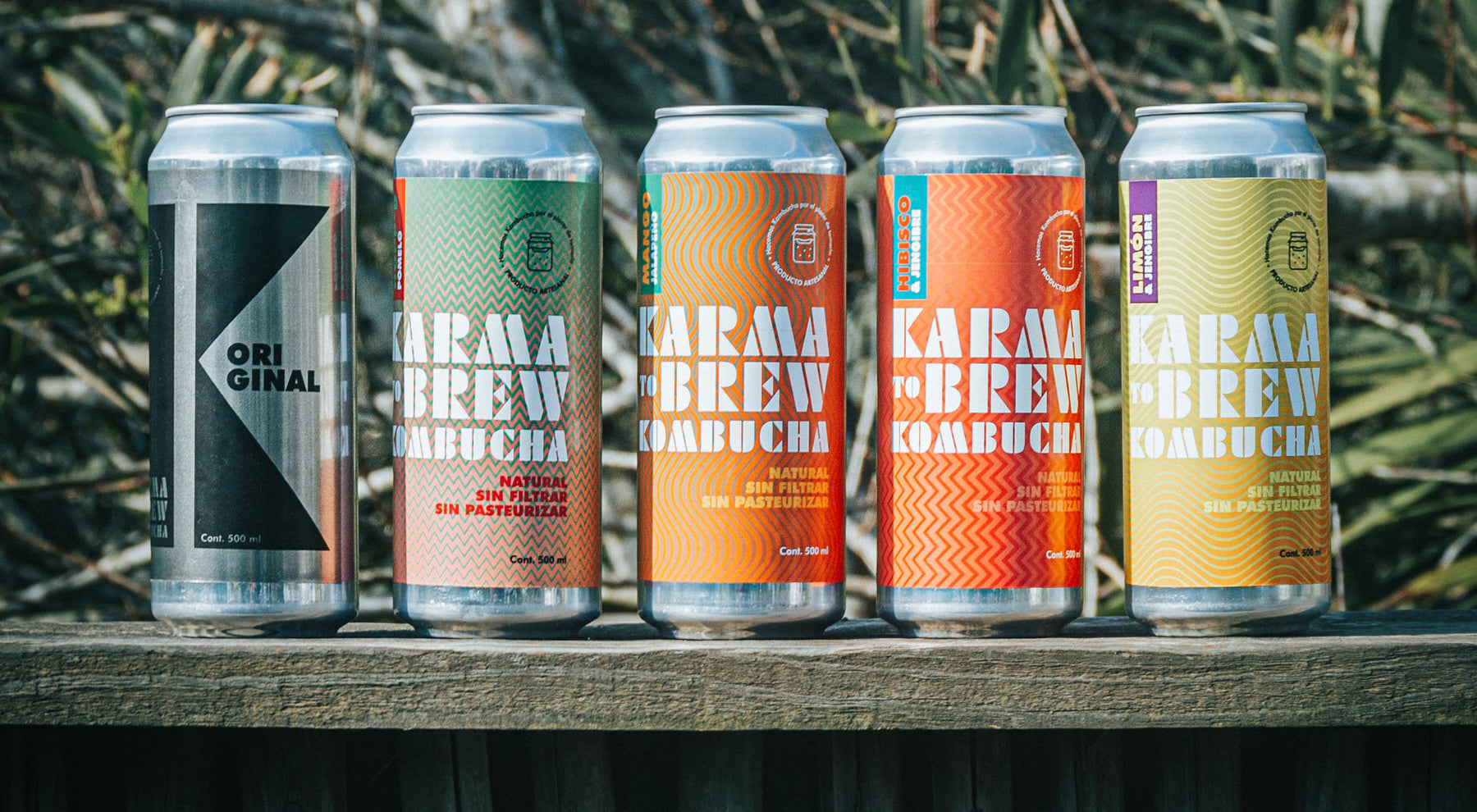
Anthony Sadeghi, owner of Karma Brew in Midtown, points out that the real test for small businesses often begins after the holiday festivities conclude. “After the new year, the problem is going to start, because then there is a drop, and a lot of businesses close,” Sadeghi noted. He emphasizes that despite the current economic headwinds, the community’s desire for connection remains a driving force for local shops and cafes.
The reliance on the “nighttime economy” means that Sacramento’s downtown success is increasingly tied to its ability to host major events, such as Sacramento Kings games at the Golden 1 Center. By leveraging these events to draw visitors into the downtown core, the city is attempting to build a reliable cycle of patronage that does not rely solely on the traditional office commuter. Whether this model can sustain the district through the quieter months of early 2027 remains the primary concern for stakeholders and small business owners alike.
Related reading

Tropical Storm Pena Triggers Breezy Trade Winds and Increased Showers
Breezy Trades and High Surf Set for Hawaii A combination of weather systems, including Tropical Storm Pena located...

Cooler Temperatures and Strong Cold Front Set to Hit Tallahassee
Temperatures Tumble After a Week of Unseasonable Warmth Residents in the Tallahassee region are preparing for a sharp...

Delaware State University inducts 2026 athletics Hall of Fame class
A New Chapter for Hornet History: The 2026 DSU Athletics Hall On November 6, the Delaware State University...
No. 2 UConn Faces No. 10 Iowa in Top-10 Sunday Matchup
UConn Looks to Rebound Against Iowa in Storrs The No. 2 UConn Huskies face a rapid turnaround this...