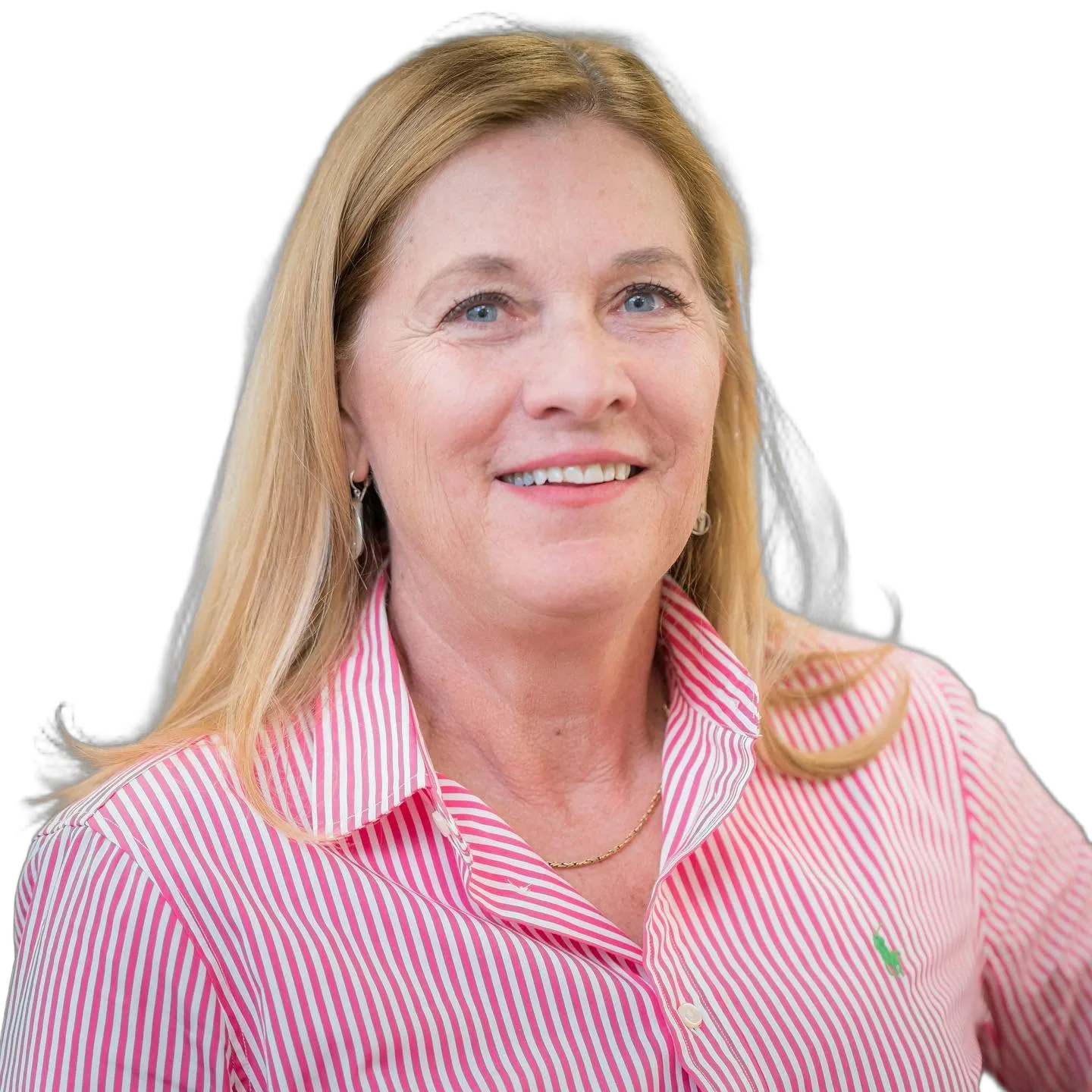
Jan Bernhisel-Broadbent, MD, argues that personalized patient relationships remain the cornerstone of effective allergy, asthma, and immunology care in a new professional profile for Granger Medical Clinic.
The physician, who has practiced across the Wasatch Front for more than 30 years, emphasizes a clinical philosophy centered on listening and long-term patient connection over digital trends. While many modern medical practices lean heavily into social media engagement and online content creation, Bernhisel-Broadbent maintains a focus on understanding individual patient concerns through direct interaction.
This commitment to traditional bedside manner arrives at a time when the field of immunology is experiencing rapid technological and scientific shifts. According to the profile provided by Granger Medical Clinic, Bernhisel-Broadbent views the evolution of the specialty as an opportunity to work collaboratively with patients to improve their overall well-being.
Bernhisel-Broadbent’s clinical approach is informed by a high-level academic background spanning several of the nation’s most prominent medical institutions. She received her initial medical training at the University of Utah Medical School before moving on to specialized pediatric training.
At Duke University Medical Center, she completed a pediatric residency and was subsequently invited to serve as Chief Resident for an additional year. This period of leadership preceded a three-year fellowship at the Johns Hopkins School of Medicine in Baltimore, Maryland.
Following the completion of her fellowship, she spent several years serving on the faculty at Johns Hopkins. This combination of academic rigor and clinical experience defines her transition back to Utah, where she now serves the local community.
The decision to return to the Wasatch Front was driven by a personal connection to the Utah landscape. She said seeing the Milky Way from her family cabin in Utah convinced her to return home.
The tension between rapid medical advancement and the necessity of the human touch is a central theme in Bernhisel-Broadbent’s practice. She says that while the field is “exciting and rapidly evolving,” the core of her work remains the relationship built with patients and their families.
This emphasis on the “human element” addresses a growing concern in healthcare regarding the depersonalization of medicine through automated systems and digital-first communication. By prioritizing time spent understanding specific concerns, she aims to provide what she describes as thoughtful, personalized care.
Outside of her clinical duties, Bernhisel-Broadbent’s life is deeply integrated into the Utah outdoors. She is an avid skier, tennis player, and hiker who spends much of her time exploring the mountains with her dogs.
This connection to the local environment is so pronounced that she noted fellow hikers occasionally mistake her for a dog walker when she is out on the trails. She credits her husband, Ken, for her ability to maintain a balance between a demanding medical career and a fulfilling personal life, noting that together they have raised three children and enjoy spending time with their grandchildren.
Worth a look
Woody Nestor, 80, Former DC Police K-9 Officer and Marine Dies
Woodrow L. "Woody" Nestor, a former Metropolitan Police Department K-9 officer and Marine veteran, died Monday, October 26,...

Wisconsin Gov. Tony Evers Grants 14 Commutations, First in Decades
Governor Tony Evers granted commutations to 14 individuals on Friday, marking the first time a Wisconsin governor has...

MISD Officials Discuss Funding Gaps With State Legislators
Mercer Island School District officials are facing a $4 million annual shortfall in special education services that must...
Henrico Running Group to Participate in Richmond Marathon Events
Ninety-four members of a Henrico County running group are set to participate in the Allianz Richmond Marathon, the...