
Governor Tony Evers granted commutations to 14 individuals on Friday, marking the first time a Wisconsin governor has utilized the state’s constitutional commutation power since the tenure of Tommy Thompson, who served from 1987 to 2001.
This move follows the reinstatement of the state’s formal commutation process earlier this year through two executive orders signed by the governor, according to WMTV15 News.
The decision impacts a specific group of incarcerated individuals who were among 24 applicants considered by the Governor’s Commutation Advisory Board during public hearings held on August 21 and September 18. While 14 people received relief, the remaining 10 applications were denied, CBS 58 reported.
The governor’s office said that the board weighed factors such as an applicant’s conduct while incarcerated, their participation in educational or rehabilitation programs, and the potential impact on victims and survivors.
A Shift in Executive Authority
The practical effect of a commutation varies significantly by case. Unlike a pardon—which restores civil rights after a sentence is fully served—a commutation can shorten a current sentence or accelerate parole eligibility. It does not automatically guarantee release from prison.
For example, Wazir El-Amin, formerly known as Wade Curtis, was serving a life sentence for a 1990 homicide with parole eligibility previously set for 2028; his commutation now makes him immediately eligible for consideration by the Wisconsin Parole Commission.
Other cases highlight the diverse nature of these legal adjustments. Amanda Weaver, who was sentenced in 2008 to 30 years of confinement and 20 years of extended supervision for five counts of burglary, had her sentence commuted to allow for release followed by two years of extended supervision.
Meanwhile, Sharif Green, sentenced in 2015 to 20 years for cocaine and heroin offenses, had his confinement reduced to 13 years, meaning he will serve approximately three additional years before beginning his term of extended supervision, according to CBS 58.
“It’s a very time-consuming process. It takes a lot of people to bring all the information forward and actually interview all these folks. So the answer is yes, we will be doing that before I leave office.”
Governor Evers shared this perspective during a one-on-one interview with Wisconsin State Capitol Bureau Chief Vanessa Kjeldsen that aired Wednesday on WMTV15 News. He described the effort as one of the most significant initiatives he has undertaken recently.
Transition and Future Implications
The return of the commutation process arrives as the state prepares for a transition in leadership. Governor-elect David Crowley, speaking while receiving a flu shot on Friday, expressed support for the continuation of the process.
“I do think it’s important that we continue the commutation process here in the state of Wisconsin, and glad that Governor Evers brought it back,” Crowley told CBS 58. He said that his team is currently focused on the transition of power and preparing for the upcoming budget cycle.
These commutations represent a distinct shift from the governor’s use of his pardon power. Governor Evers has issued more than 2,443 pardons during his time in office, the most of any governor in Wisconsin history. A pardon acts as a form of forgiveness and restores civil rights, but it is reserved for individuals who have already completed their entire sentence at least five years prior.
For some, the commutation process addresses long-standing questions about original sentencing. Michael Maldonado, who was 15 at the time of a 1990s murder, was sentenced to life in prison in 1994. In October 2025, his sentence was modified to make him eligible for parole based on new evidence indicating he was not the gunman, WMTV15 News reported.
Similarly, Mighty Howell, sentenced to life with parole eligibility in 2038 for his role in an attempted armed robbery, had his parole eligibility moved up to September 2027. This change allows Howell to have his case considered by the Parole Commission, though it does not mandate his release.
The reinstated process requires a rigorous review of each case, balancing the interests of justice with public safety. As the state moves toward the next administration, the use of this constitutional tool remains a point of focus for criminal justice reform advocates and policymakers alike.
Worth a look

Arizona Man Sentenced to 10 Years for $7 Million Car Dealership Fraud
A 59-year-old Arizona man will serve a 10-year federal prison sentence for orchestrating two separate fraud schemes that...
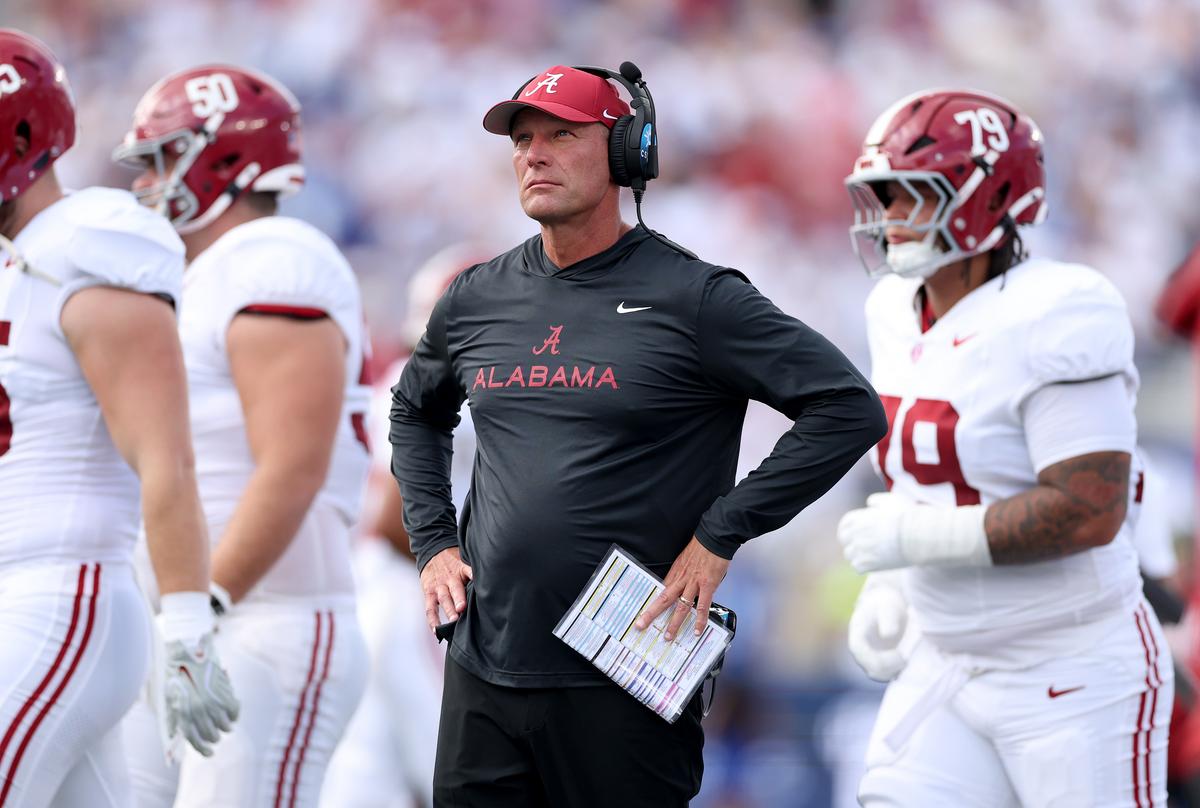
Alabama Football Avoids FAA Ground Stop by Busing to Vanderbilt Game
The Federal Aviation Administration issued a nationwide ground stop on Friday, November 13, paralyzing air travel across the...

Woody Nestor, 80, Former DC Police K-9 Officer and Marine Dies
Woodrow L. "Woody" Nestor, a former Metropolitan Police Department K-9 officer and Marine veteran, died Monday, October 26,...

MISD Officials Discuss Funding Gaps With State Legislators
Mercer Island School District officials are facing a $4 million annual shortfall in special education services that must...