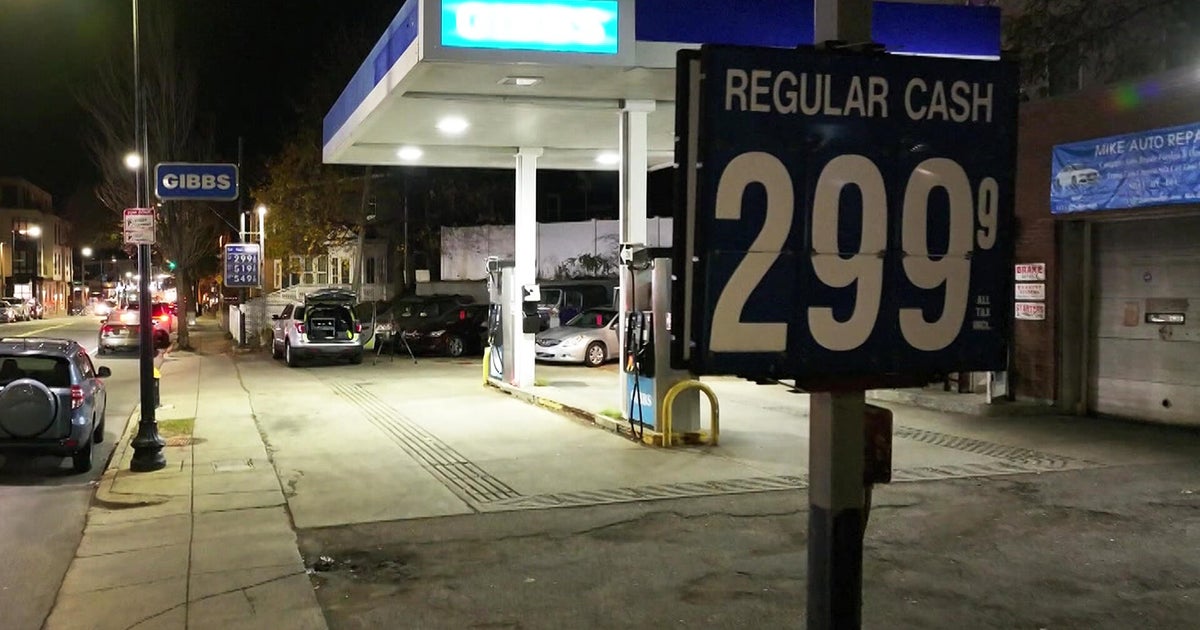
Drivers expect pain at the pump this time of year; instead, a Dorchester station posted $2.99 a gallon on Thursday.
CBS News reported that Gibbs Gas & Auto Sales dropped its price nearly a dollar below the Massachusetts average of $3.89, and well under the national mark of $3.72.
Co-owner Mohamed Shamsedime acknowledged the station is “eating the cost a little bit,” but framed it as a deliberate choice: “We feel like the best possible way to give back to our community, to support our neighbors, is by providing the cheapest gas possible in all of Massachusetts and all of New England.”
The move arrives as AAA projects fewer cars on the road for Thanksgiving than in recent record years.
“We have broken records for the last couple of years, and we’ve seen steady increases since 2020 and that could be a measure of it’s more expensive this year for folks to travel,” AAA Northeast spokesperson Mark Schieldrop said. GasBuddy estimates two-thirds of holiday travelers will drive, yet the overall volume is expected to dip.
“We are still not making as much of a profit compared to most other gas stations, but we feel like the main thing is to help our neighbors and give back to our community.”
Shamsedime told CBS News.

Massachusetts drivers have watched the state average climb from roughly $3 a year ago to $3.89 today. Gibbs’s $2.99 price essentially rewinds the clock to 2023 levels, but only at a single pump. Shamsedime said his supply costs have dropped enough to make the promotion sustainable “as long as they can.”
Dorchester, founded in 1630 by Puritans from Dorchester, Dorset, England, began as a separate town just months before Boston itself. It hosted the first Town Meeting in what would become the United States on October 8, 1633, and opened America’s first public elementary school, the Mather School, in 1639.
Annexed to Boston in 1870 with a population of 12,000, it grew to 150,000 by 1920 after railroad and streetcar lines arrived; the 2010 census recorded 92,115 residents across more than 6 square miles.
For now, the $2.99 sign in Dorchester is an outlier — a local decision that shows how far the average has drifted from what many drivers consider normal. Whether the station can maintain it through the weekend, and whether competitors feel pressure to follow, remains the open question.
Keep reading

Kevin Cheney Argues Colorado Needs Recorded Trials for Lawyer Training
In a LinkedIn post published Friday, Colorado trial lawyer Kevin Cheney argues that the state's near-total absence of...
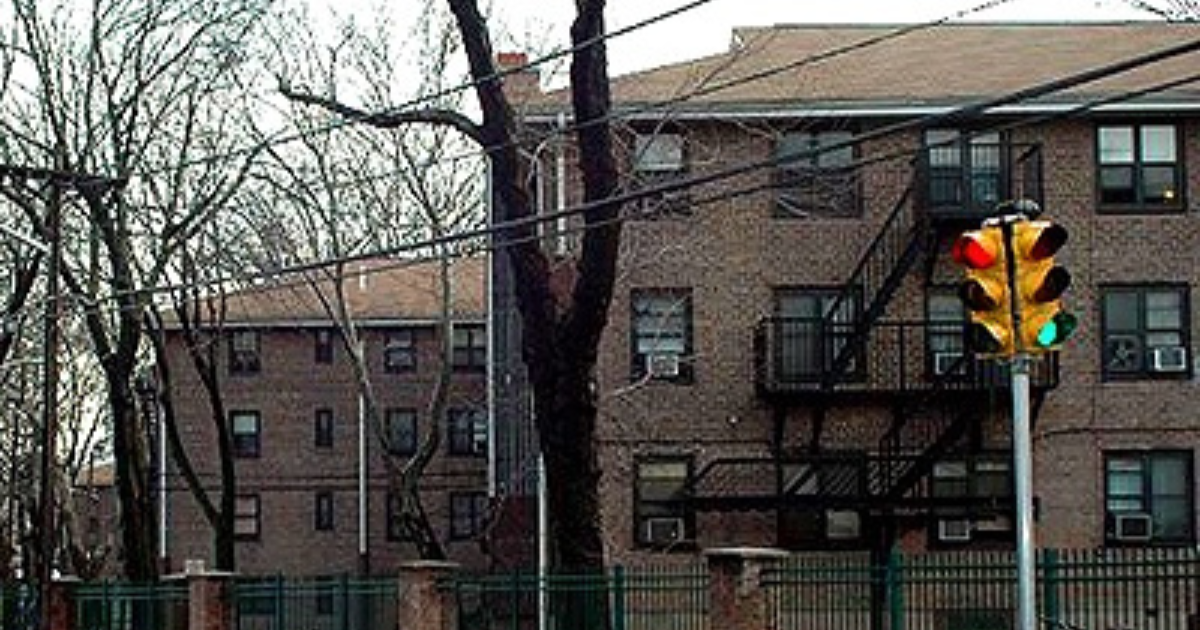
HUD Seizes Newark Housing Authority, Removes Board Over Recovery Agreement Failures
The U.S. Department of Housing and Urban Development seized control of the Newark Housing Authority on Thursday, removing...
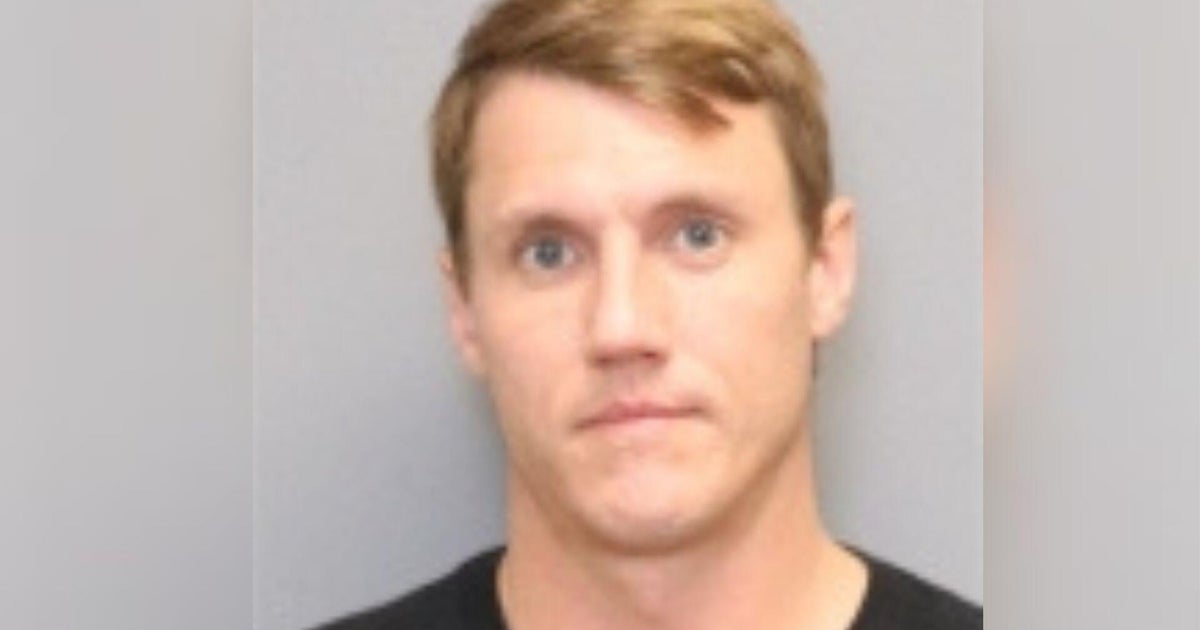
Two Men Charged with 150 Counts in Annapolis Poaching Spree With Explosives
Two Annapolis-area men now face a combined 150 criminal and wildlife charges stemming from what authorities describe as...

Georgia Board of Regents Elects New Leadership, Endorses DREAMS Scholarship
Georgia's university system will turn over its governing board to two University of Georgia alumni on Jan. 1,...