A Durbanville resident faces potential penalties for feeding wild birds in her garden after the City of Cape Town issued a notice citing the Animal Keeping By-Law 2021. The city maintains the action targets health risks like rodent infestations, while critics label the intervention as government overreach.
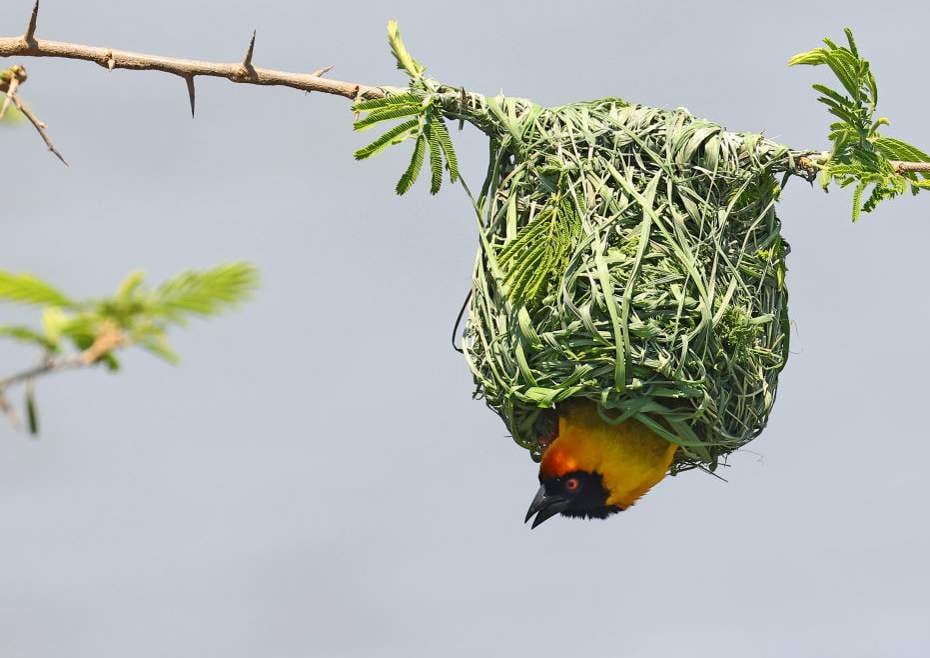
Durbanville Resident Faces Penalties for Feeding Wild Birds
The Inspection and the Notice
The notice, based on an inspection conducted on June 1, 2026, explicitly invoked Section 28 (2) of the Animal Keeping By-Law 2021. It alleged that birds were being fed directly from the ground and ordered the resident to remedy the conditions within 21 days and cease feeding any wild animals that are not kept in captivity. The document warned that failure to meet these requirements may result in being found guilty of the offence and liable to a penalty.
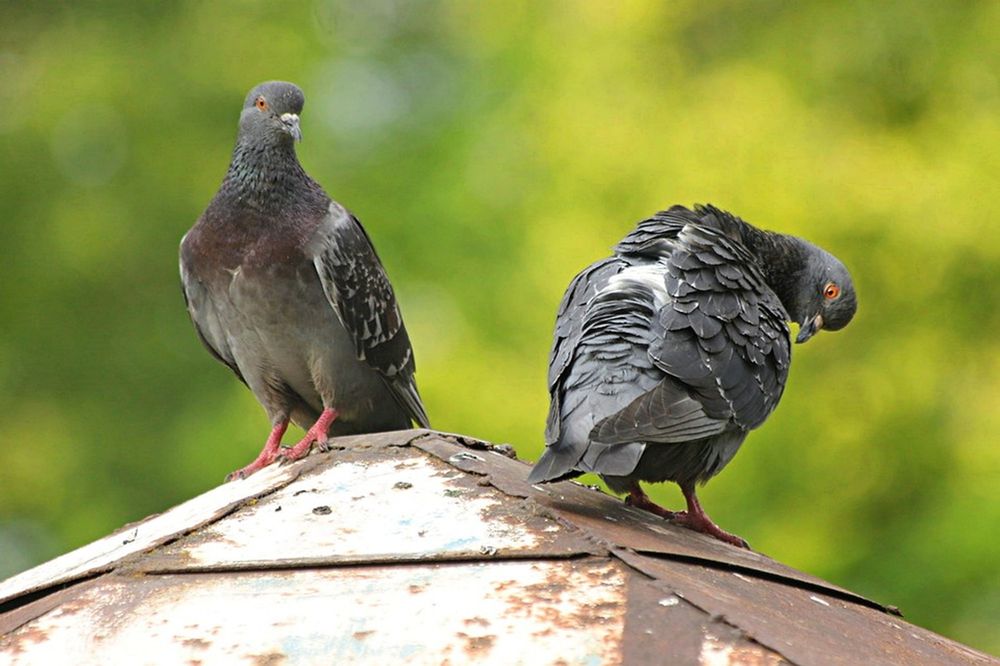
City of Cape Town’s Health and Safety Rationale
Francine Higham, the City’s mayoral committee member for community services and health, defended the city’s position by highlighting the broader context of the property. She indicated that the intervention was not merely about the act of feeding birds, but about managing an environment that had already attracted other environmental health nuisances, including rodents.
The specific case at hand related to the uncontrolled scattering of bird feed on a property that already has other identified environmental health nuisances, including rodents. Environmental Health Practitioners (EHPs) issued the notice in a bid to prevent a worsening situation. It’s important to note that our EHPs have a duty to protect and promote public safety and act against persons or situations that pose a risk to the well-being of others.
Political Pushback and the “Bird Feeder Ban” Debate
The enforcement action has drawn sharp criticism from political figures. Brett Herron, the GOOD Party’s secretary-general and City of Cape Town mayoral candidate, characterized the city’s enforcement as Orwellian over-regulation
and argued that the move effectively warns residents they are no longer permitted to feed wild birds in their own gardens.
Herron stated: The Orwellian over-regulation of the City of Cape Town has just taken its next step by telling residents they may no longer feed wild birds in their own gardens. Only caged animals qualify. Free birds, apparently, are a by-law violation. And if you feed these birds, you are at risk of facing a penalty.
Higham dismissed these claims in response, describing them as an unfortunate attempt at wilfully spreading misinformation and creating outrage where none exists.
Animal Welfare Perspective on Supplementary Feeding
While the political debate centers on by-law interpretation, animal welfare experts emphasize the practical dangers of improper feeding. Allan Perrins, communications manager for the Animal Welfare Society of South Africa, stated that municipal by-laws prohibiting the feeding of wild birds directly on the ground are intended to protect both wildlife and the public. He noted that ground feeding attracts rodents and other pests, increases the risk of disease transmission, and can alter the natural behaviour of wildlife.
Perrins advised that the most effective way to support wild birds is by planting indigenous trees and shrubs. He added that if supplementary feeding is undertaken, only appropriate foods should be offered, warning that bread, dairy products, processed foods, and salted snacks can cause nutritional deficiencies or illness. The Cape of Good Hope SPCA, via spokesperson Belinda Abraham, clarified that bird feeders are specifically excluded from the by-law relating to the keeping of wild animals.
Find more reporting in our Health section.

Health
Sleeve gastrectomy improves cardiac and kidney MRI markers in youth-onset T2D
Vertical sleeve gastrectomy significantly improves cardiac and kidney MRI markers in youth-onset type 2 diabetes.
Health
Treatment Action Group Launches Architects of Trust Program
As late-stage clinical trials advance toward potential approvals by 2029, the Treatment Action Group and Wellcome have launched...

Health
Nearly 17 percent of eight-year-old autistic children in the United States meet the refined criteria for profound autism
Nearly 17 percent of eight-year-old autistic children in the United States meet the criteria for profound autism under...

Health
Researchers launch Ebola vaccine trial in Uganda
Researchers in Uganda launched a Phase I clinical trial of the ChAdOx1 BDBV vaccine candidate in Masaka City...