FDA Updates Depo-Provera Labeling Following Meningioma Risk Concerns
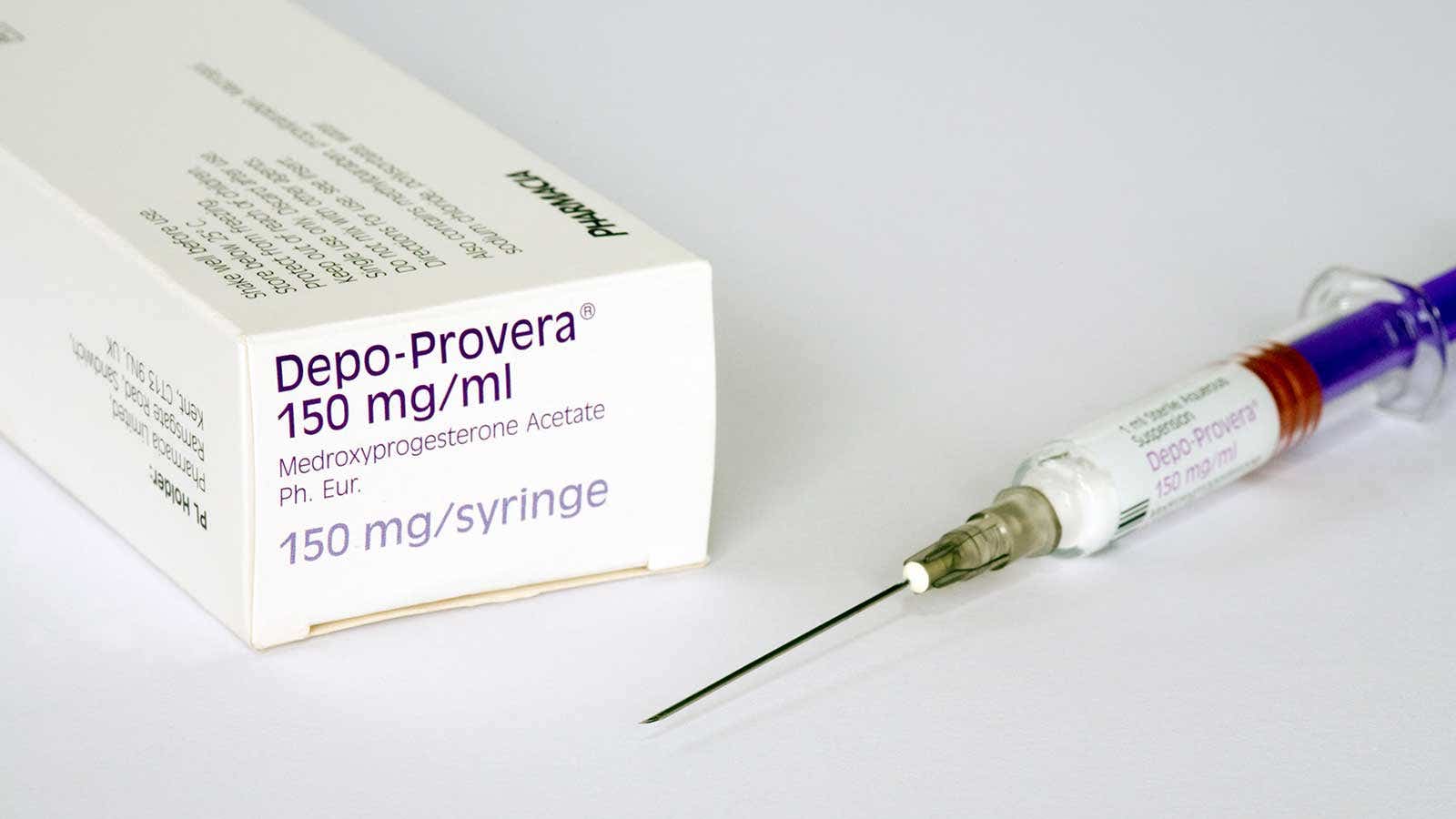
The U.S. Food and Drug Administration (FDA) has approved a label change for Pfizer’s injectable contraceptive Depo-Provera to include a warning regarding the risk of meningioma, a typically benign but potentially serious tumor of the brain’s lining. This regulatory action follows increasing evidence from international and domestic studies linking the use of progestogen contraceptives, particularly injectable medroxyprogesterone acetate (DMPA), to an increased risk of these tumors.
The label update applies to two versions of the drug: Depo-Provera CI and Depo-Subq Provera 104. Pfizer, in a statement, noted that the update reflects the FDA’s decision to approve a warning that the agency had previously denied in an earlier application. The company maintains that it stands behind the safety and efficacy of the product.
Understanding the Meningioma Link

Meningiomas are the most common type of benign brain tumor. While they typically grow slowly and are not cancerous, they can cause significant health problems depending on their size and location, as they may exert pressure on brain structures or nerves.
A large Danish study published in *JAMA Network Open* found that women using progestogen contraceptives faced a significantly increased risk of meningioma. The research indicated that injectable medroxyprogesterone was associated with the highest risk, with odds ratios for meningioma more than four times higher than those for non-users of progestogens. A separate study involving over 61 million female patient records, conducted by researchers at the Cleveland Clinic and Case Western Reserve University, found a twofold higher risk of meningioma diagnosis among DMPA users compared to those not on hormonal birth control.
The risk appears to be influenced by both duration and age. According to the Danish researchers, the excess risk disappeared five years after the discontinuation of the contraceptive. The U.S.-based study further noted that the greatest risk was observed in women who started DMPA after the age of 31 or those who used it for four or more years.
Broader Scope of Progestogen Research
While Depo-Provera has been a focal point of recent scrutiny, the broader class of progestogen contraceptives—including oral formulations and intrauterine devices (IUDs)—has also been investigated. The Danish study analyzed 12 progestogen formulations and found statistically significant associations with meningioma in eight of them.
The European Medicines Agency (EMA) and other international regulators have also taken steps to address these findings. In 2024, the EMA added meningioma as a possible side effect for high-dose medroxyprogesterone acetate products. Additionally, the EMA’s Pharmacovigilance Risk Assessment Committee (PRAC) recently recommended new safety measures for desogestrel- and etonogestrel-containing contraceptives, noting a small increased risk of meningioma linked to prolonged use. The EMA stated that these products are now contraindicated in women who have a current or past history of meningioma.
Legal Challenges and Medical Context
Pfizer is currently the subject of a lawsuit involving more than 1,000 women who allege the company was aware of the meningioma risk and failed to provide adequate warnings. The plaintiffs argue that studies dating back to the 1980s suggested a link between progesterone and meningioma, creating a duty to investigate.
Medical professionals emphasize that despite these findings, meningioma remains a rare condition, affecting approximately one in 10,000 people. Experts, such as Melanie Davies of University College London, have stressed that the study results should not deter women from utilizing effective hormonal treatments that are essential for managing gynecologic disorders and contraception.
The American College of Obstetricians and Gynecologists has provided patient education materials and advised clinicians to engage in shared decision-making when discussing contraceptive options. Symptoms that may warrant medical evaluation in the context of meningioma risk include:
* Worsening headaches
* Vision changes
* Hearing loss or ringing in the ears
* Loss of smell
* Memory loss
* Seizures
* Weakness in the arms or legs
While the evidence suggests a biological link—with progesterone receptors observed in up to 87% of all meningiomas—researchers caution that these studies are observational and do not provide definitive proof of causation. The FDA continues to monitor data as legal proceedings regarding the product’s history in the United States remain ongoing.
Find more reporting in our Health section.


Merck Discontinues Recarbrio Antibiotic in US Market
Merck pulled Recarbrio from the US market following a portfolio review, while the drug remains available in the...

Cornell Researchers Develop MUFASA Simulation Framework for Microscopy
Researchers have developed new continuous-time simulation frameworks and optical imaging methods to track real-time cell metabolism and verify...

Researchers Map Immune Cells to Reveal Biological Aging Trajectories
Researchers analyzing millions of immune cells from global cohorts have discovered that the ratio between two white blood...

Louisa Nicola Outlines Lifestyle Changes to Prevent Alzheimer’s
Neuroscientist Louisa Nicola argues that up to 95 percent of Alzheimer’s cases are preventable through lifestyle choices, pointing...