
Duval, Clay and Nassau Voters Renew School Tax With Stronger Support Than Four Years Ago
Voters in Duval, Nassau and Clay counties didn’t just keep a school tax alive Tuesday — they backed it more strongly than when it first passed. About 75% of Duval County voters approved extending the 1-mill property tax, up from just over half in 2022, Jax Today reported. News4JAX reported the same outcome across all three counties, where each measure renewed an existing tax rather than creating a new one.
The same ballot carried Amendment 3, a statewide property tax overhaul that voters narrowly passed. School district taxes, however, sit outside that amendment’s reach, and Tuesday’s votes show local voters are willing to keep funding their own districts directly.
For Duval County Public Schools, the renewal pumps roughly $125 million a year into the budget, money that pays teachers a more competitive salary and keeps arts and athletics programs running, Jax Today reported. The average teacher receives a salary supplement of nearly $9,000 per year from the levy.
What One Mill Actually Costs a Homeowner
The math is simple and News4JAX spelled it out: one mill equals $1 for every $1,000 of taxable property value. On a home with a taxable value of $300,000, that works out to $300 a year. It is not a new charge; it extends the levy already on the books for the next four years.
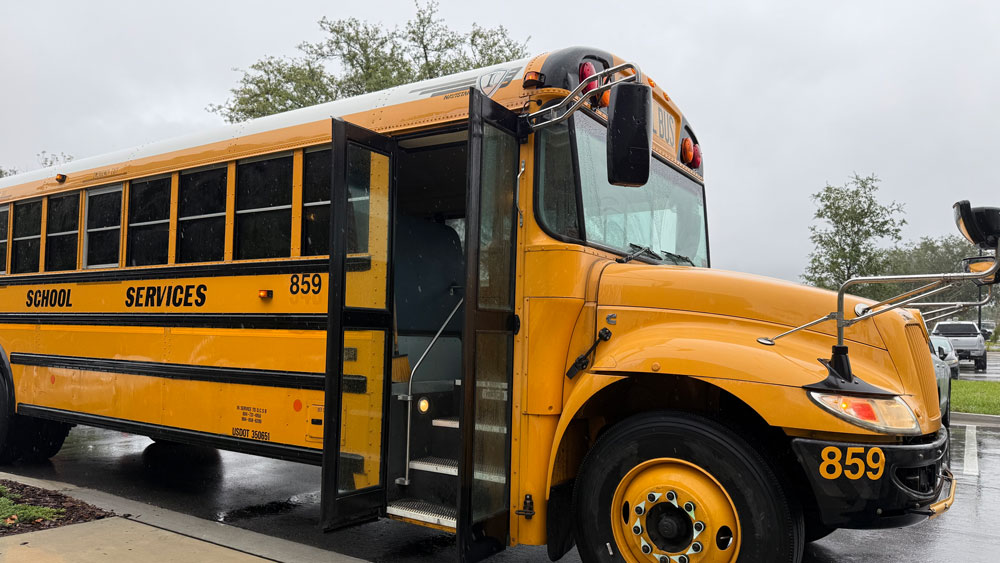
That $300 per household is the price of the roughly $9,000 per-teacher supplement and the programs the district says it funds.
Where Each County Plans to Spend the Money
The three districts carved up the revenue differently. Duval’s ballot language said the money supports teacher, security and staff compensation, academic programs, arts, athletics and student activities. State law requires Duval to share a portion with charter schools: the district keeps 81% of the funds, while charter schools receive 19%.
Nassau County’s renewal leans heavily on personnel. According to the district, 70% of the funds go to employee compensation and 12% to school safety, while the rest is divided between arts and athletics. Clay County’s measure targets school safety and security alongside competitive compensation to attract and retain teachers and staff. According to Clay’s ballot guide, the tax extends the current levy through June 30, 2031, and an independent citizens’ oversight committee will review the expenditures.
Why This Vote Sits Apart From Amendment 3
Amendment 3 rewrote statewide property tax rules, but school district property taxes are exempt from its overhaul, News4JAX reported. That exemption is why Tuesday’s local votes carried real weight: even as Tallahassee changes the broader tax landscape, these three counties locked in their own school funding stream for four more years.
Duval Superintendent Christopher Bernier framed the result as a community mandate.
“I am overwhelmed with gratitude to Duval voters for their continued investment in our educators and our children. The renewal of the millage referendum sends a clear and powerful message: our community believes in and supports Team Duval as we continue building the world-class education system our children and community deserve.”
Bernier added that the district’s hard-earned A rating “stands for Academic Excellence, but it also stands for All,” including community leaders and volunteers who campaigned for the measure.
The Counterargument Hiding in the Charter School Split
Because state law forces districts to share the revenue, 19% of Duval’s millage flows to charter schools — a point critics of the district’s spending often raise when arguing that traditional public schools do not keep every dollar. Supporters counter that the nearly $9,000 per-teacher salary supplement helps Duval pay teachers a more competitive salary.
There is also the question of what happens when the levy expires. Clay’s version runs through June 30, 2031, and Duval and Nassau voters will face the same question again in 2030. For now, the districts have four years of guaranteed revenue, and the oversight committees in each county will watch how it is spent.
Four years ago, barely half of Duval’s voters backed the millage. This week, three out of four did — a shift that suggests the tax has moved from a contested experiment to an established part of how these counties fund their schools.
Keep reading

Maryland Voters Approve Question 3, Clearing Way for New Congressional Maps
If you live in Maryland, your congressional representative could change before the next election — and the person...

Free Veterans Day Admission for Military at Louisville Zoo
On Wednesday, November 11, the gates of the Louisville Zoo will open free of charge to active, retired,...

UL Lafayette hosts 2026 conference on statistics/combinatorics for first time
The University of Louisiana at Lafayette has brought the 2026 International Conference on Advances in Interdisciplinary Statistics and...

Project Estimator & Project Manager Jobs in Topeka, KS
A Project Estimator position was posted in Topeka 22 hours ago, seeking an Estimator-Project Manager to serve as...