
Dylan Mortensen, a surviving roommate of the four University of Idaho students stabbed to death in their off-campus home in 2022, is asking a Latah County judge to ensure her face is blurred in investigative recordings scheduled for public release, citing years of harassment, threats, and baseless accusations that have forced her and her family to move nine times, nypost.com and independent.co.uk reported.
The request lands as the city of Moscow prepares to hand over police interviews, body-camera footage, and other records to EWU Media, a production company that makes crime documentaries. Judge Megan Marshall ordered the disclosure last month after the company sued the city, ruling that the Idaho Public Records Act does not broadly exempt the identities of witnesses in an investigation. A motion hearing on Mortensen’s request to intervene is set for next week.
Nine Moves and a Life Upended
In an affidavit filed October 29, Mortensen described how the quadruple killing on November 13, 2022, which claimed the lives of her roommates Maddie Mogen, Kaylee Goncalves, Xana Kernodle, and Ethan Chapin, transformed her existence. Bryan Kohberger pleaded guilty to the stabbing deaths and was sentenced to life in prison last year, though he is currently trying to withdraw that plea. No motive has emerged for the killings, nor is it clear why Mortensen and the other surviving roommate were spared.
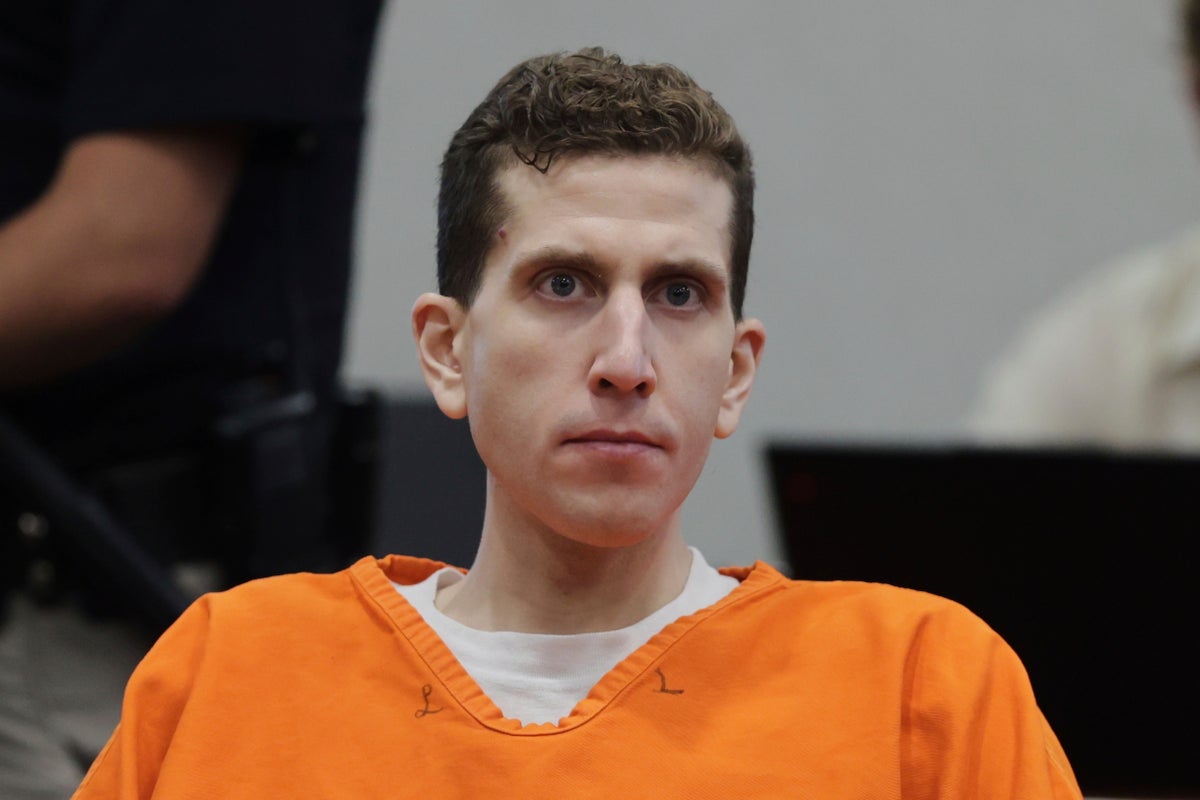
What is clear, according to court documents, is the toll the case has taken on Mortensen. She told the court her life “has changed in ways I never could have imagined,” and that the “amount of attention and hostility” directed at her has “affected nearly every aspect” of her day-to-day existence. The harassment has included “years of hateful messages and threats” and “numerous unsolicited messages from strangers accusing me of participating in my friends’ murders, blaming me for their deaths, and making cruel statements about what they believe should happen to me.”
The practical consequences have been severe. Mortensen and her family have relocated nine times. She now uses an alias at her job and often introduces herself by a different name. She avoids using her real name for package deliveries because she does not want strangers to know where she lives.
The Fight Over Footage
Mortensen’s latest legal move targets a specific batch of evidence: lengthy police interviews and body-camera recordings from one of the most vulnerable periods of her life. While her voice is already audible in recordings that have been released, she argues that extended video of her face would change the equation entirely.
“I am already being recognized despite the privacy protections currently in place, and I worry that making additional footage of my face available would make it even easier for strangers to identify me in everyday situations,” she wrote in the affidavit.
She draws a sharp line between the photographs and videos already circulating online and the raw investigative footage. “There is a significant difference between the photos and videos people have already seen of me and the lengthy police interviews and body-camera recordings taken during one of the most traumatic and vulnerable periods of my life,” she stated. She fears the footage would not only make her more recognizable but would also turn her facial expressions into “fodder for people to analyze, criticize or make accusations.”
Surviving Idaho College Murder Roommate Says She’s Endured ‘Harassment, Threats and Constant Speculation’ for Years After ‘Traumatic’ Killings https://t.co/M8Wbi5Y1DV
Her goal, she wrote, is simple: “I want to be able to work, meet new people, attend concerts, celebrate important moments with friends, and enjoy ordinary experiences without constantly worrying about being recognized or confronted.”
Transparency Versus Privacy
The case pits two competing interests against each other. On one side, Judge Marshall ruled in an October 20 decision that the city failed to demonstrate that specific records were properly withheld, ordering their release absent any applicable exemption under state law. The judge noted that the Idaho Public Records Act does not broadly shield witness identities, a stance that favors public access to government records in a case that has drawn national attention.
On the other side, Mortensen argues that releasing her face in the new footage would expose her to heightened danger and harassment at a time when she is already taking extraordinary measures to remain anonymous in public. The Associated Press reached out to the city, via email and phone, Tuesday for comment. The AP also emailed EWU Media and Mortensen’s attorney requesting comment. A motion hearing is set for next week.
What Happens Next Week
The motion hearing scheduled for next week will determine whether Mortensen’s face appears blurred in the files released to EWU Media. Until then, the question remains open: how much of a witness’s image can be shielded when the law leans toward disclosure, and what protection is owed to a survivor who says she has already been driven from her home nine times.
Worth a look

Maryland Voters Approve Question 3, Clearing Way for New Congressional Maps
If you live in Maryland, your congressional representative could change before the next election — and the person...

Free Veterans Day Admission for Military at Louisville Zoo
On Wednesday, November 11, the gates of the Louisville Zoo will open free of charge to active, retired,...
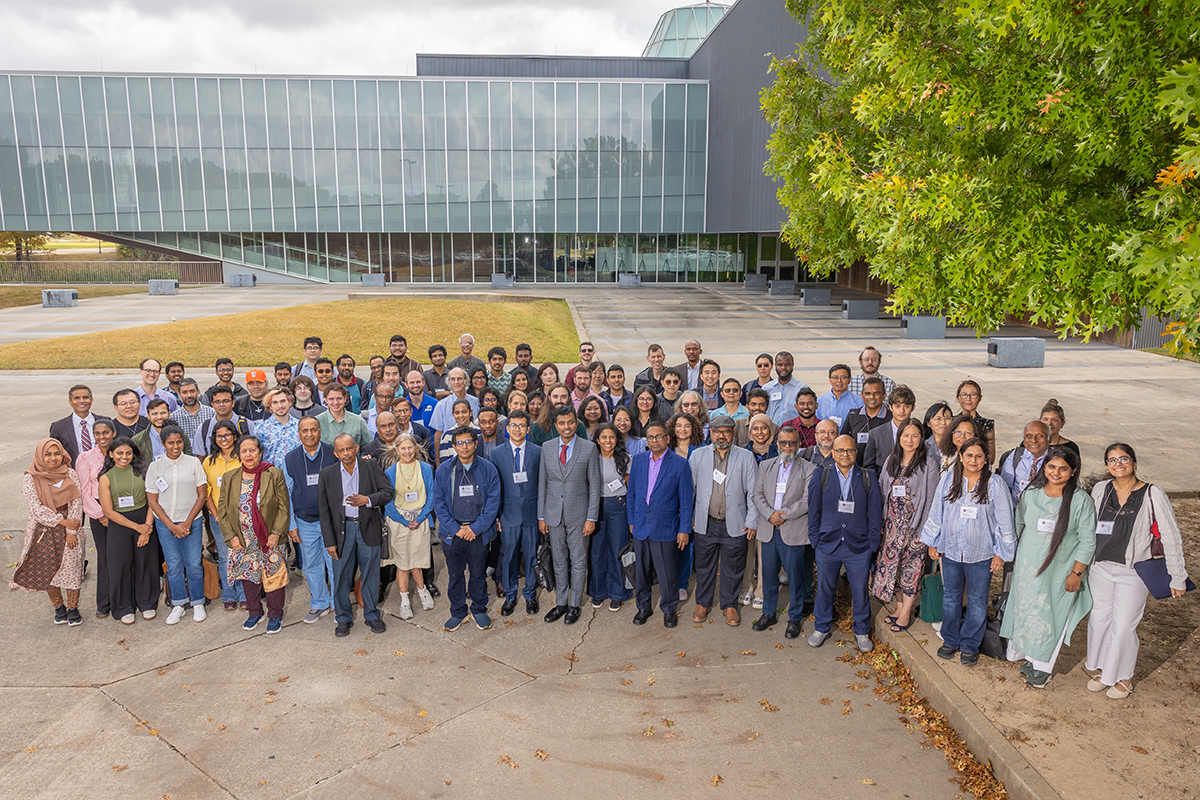
UL Lafayette hosts 2026 conference on statistics/combinatorics for first time
The University of Louisiana at Lafayette has brought the 2026 International Conference on Advances in Interdisciplinary Statistics and...

Project Estimator & Project Manager Jobs in Topeka, KS
A Project Estimator position was posted in Topeka 22 hours ago, seeking an Estimator-Project Manager to serve as...