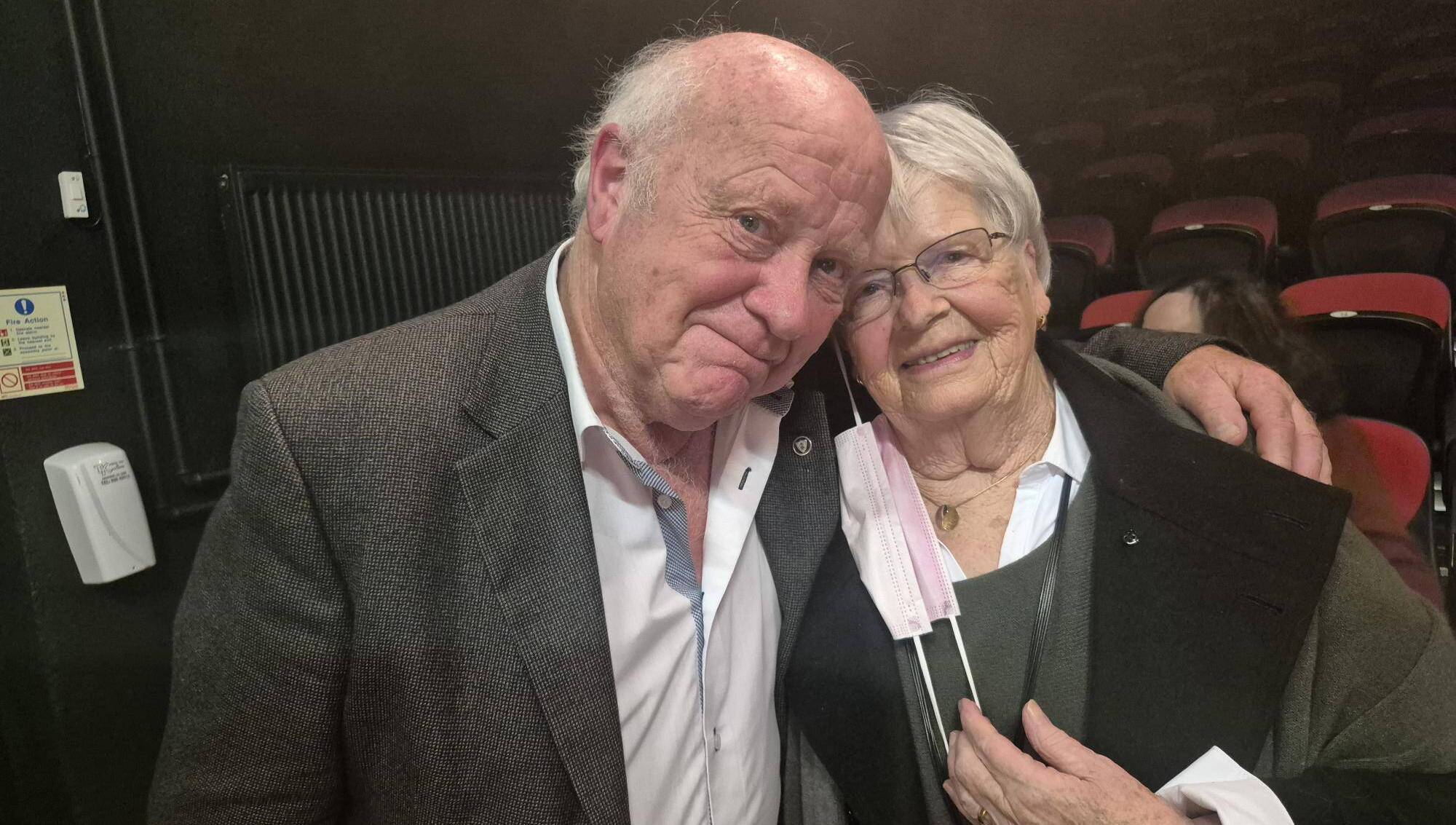
The launch of Ar Bhruach na hAbhann packed Ionad Cultúrtha in Baile Mhúirne last Saturday, a full house gathered to honor a man who taught in a two-room schoolhouse in Bartlemy and ended his days composing in the shadow of Seán Ó Riada.
The volume collects the poems, songs, and agallamh beirte of Dónal Ó Liatháin, a native of Coolea born in 1934 who carried the Muskerry dialect from the classroom to the choir loft, echo live reported.
Peadar Ó Riada launched the book with tears in his voice, describing a friendship that began when his father moved to Coolea in 1963 and deepened after Seán’s death in 1971. “Dónal Ó Liatháin was both a poet and a bard — a rare enough duality,” Ó Riada told the crowd. “The word ‘craic’ was probably invented to describe him.”
Ó Liatháin qualified at St Patrick’s, Drumcondra, taught a year in Killenaule, then took the post at Bartlemy National School in January 1955. He stayed thirteen years, winning a county senior football medal with Fethard in 1954 and restarting the Bride Rovers club in 1964 as secretary.
Then came the pivot: a vacancy at Coláiste Íosagáin in 1968 pulled him home to Coolea. On October 16, 1968, Bartlemy gave the Lehanes a send-off in the parish hall; by winter he was singing in Cór Chúil Aodha.
The move cost him seniority and pension track, but it placed him inside the circle that Ó Riada and An t-Athair Donncha Ó Conchubhair were building. The two families — muintir Uí Liatháin and clann Uí Riada — intertwined across decades of Oireachtas competitions, compositions, and late-night sessions. Peadar Ó Riada set dozens of Ó Liatháin’s texts to music; the prizes followed.
Author John Arnold, a former Bartlemy pupil, drove from Fermoy with Jerry Galvin — an Uíbh Laoire man with “great meas on the Naomh Abán people” — to attend.
Arnold recalls a master who cut his own classroom sticks, shouted “Well blazes, Kate” when the temper rose, and spoke Irish “as natural as breathing.” He admits his own reading Irish is weak, but calls the book “go hálainn ar fad.”
Dónal Ó Liatháin composed the modern form of “Mo Ghile Mear” around 1972, setting verses from Seán “Clárach” Mac Domhnaill to a traditional air collected in Cúil Aodha by Seán Ó Riada; the song became a lament for Ó Riada after his death in 1971 and has been recorded by Mary Black, The Chieftains with Sting, and many others.
Ó Liatháin also won a county senior football medal with Fethard in 1954 before restarting the Bride Rovers club as secretary in 1964.
“Tír gan teanga, tír gan anam,” Padraig Pearse wrote, quoting Pearse. “Only when you experience the ‘pure drop’ of life in a Gaeltacht can you really appreciate the truth of the saying.” From now on, he says, he will read a poem each night from Ar Bhruach na hAbhann with Ó Riada’s Mise Éire playing beneath it. “Dónal and Seán would like that.”
Worth a look

Dow Plunges 1,100 Points as Anthropic IPO Fails to Stem Sell-Off
Wall Street plunged Thursday as a broad selloff erased the early lift from Anthropic's historic market debut, sending...
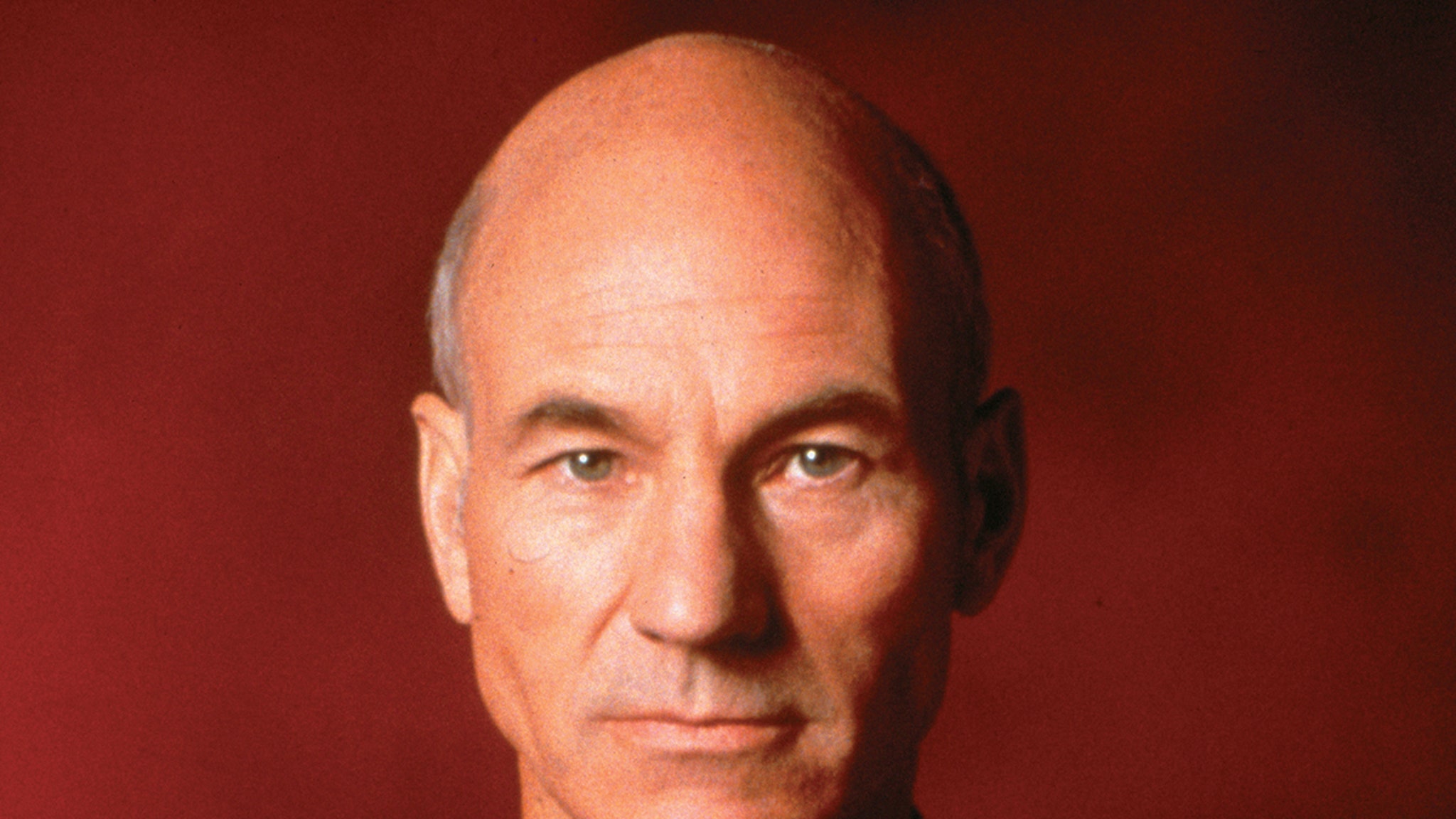
Medical Examiner Confirms Patrick Stewart Causes of Death per TMZ
"We left nothing unsaid," Sunny Ozell wrote on Instagram two weeks after her husband's death, a line that...
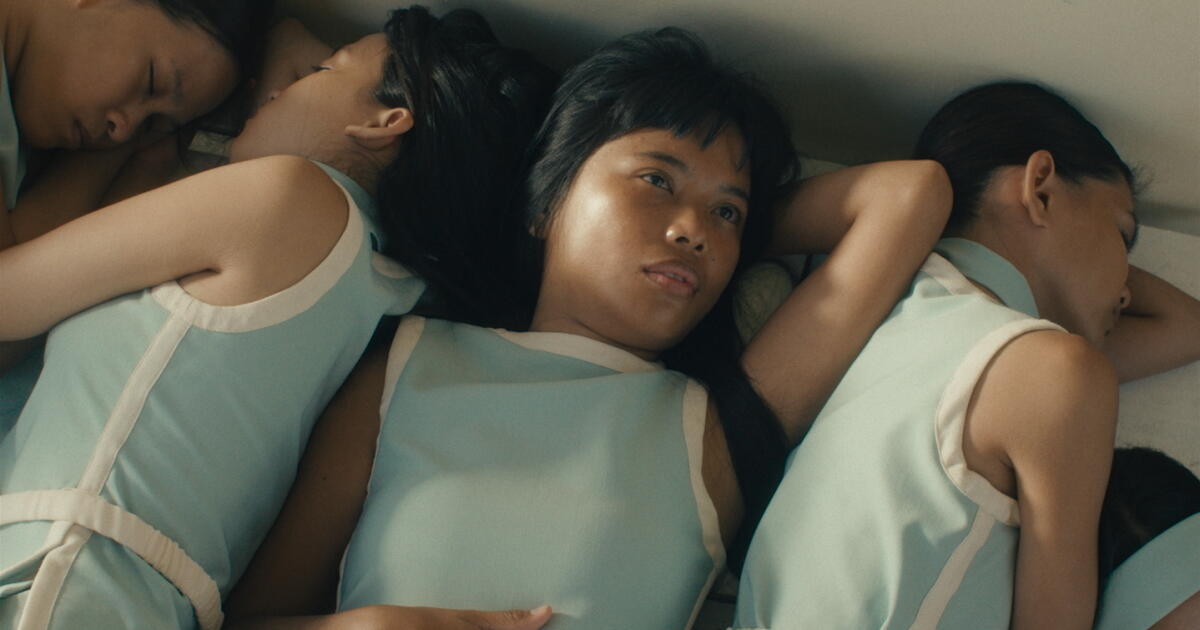
Lead Actress Jorrybell Agoto Dies at 31 After Lymphoma Battle
Jorrybell Agoto, the lead actress of the Philippines' Oscar entry "Filipiñana," died on November 17 at age 31...
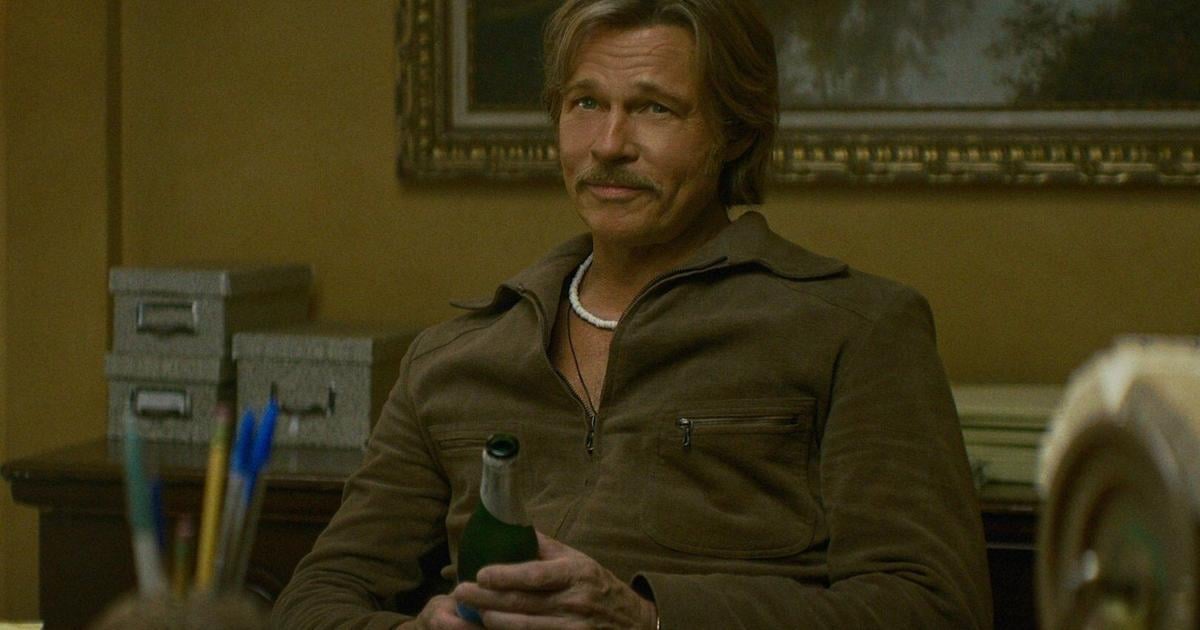
Roger Ebert Reviews Fictional Fincher-Tarantino Cliff Booth Sequel
Brad Pitt returns as Cliff Booth in a Netflix sequel directed by David Fincher from a Quentin Tarantino...