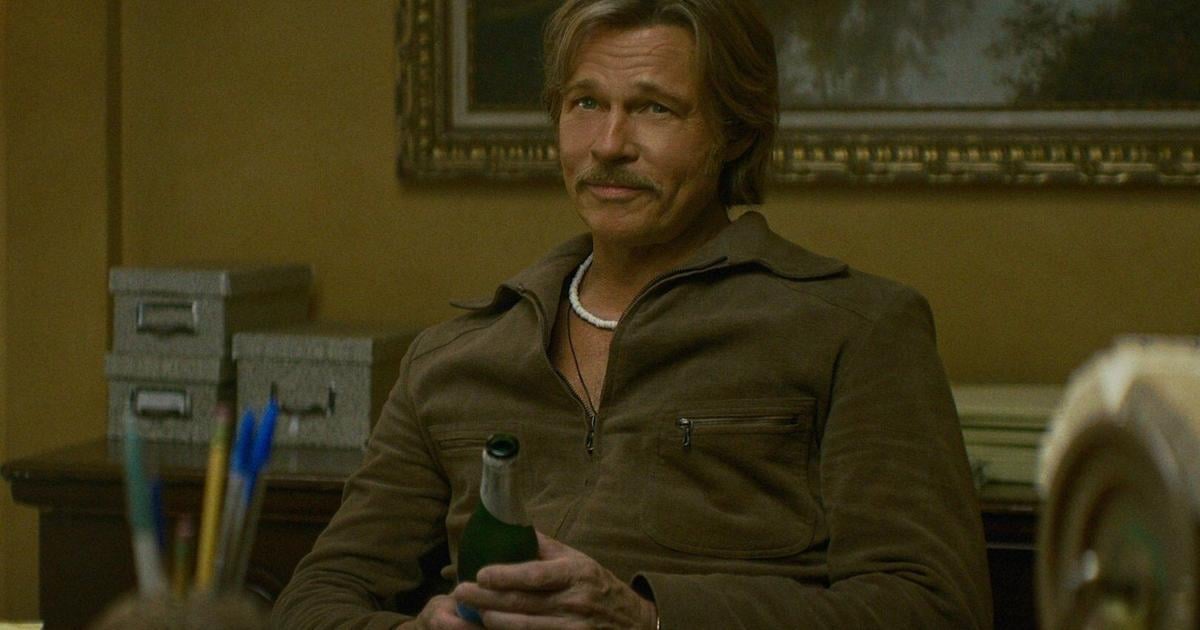
Brad Pitt returns as Cliff Booth in a Netflix sequel directed by David Fincher from a Quentin Tarantino script, opening in IMAX theaters on November 25 before streaming December 23.
The collaboration marks the first time since the 1990s that Tarantino has handed a feature-length screenplay to another director.
Pitt, who won an Oscar for the role in Once Upon a Time… in Hollywood, brought the project to Fincher, his collaborator on Seven, Fight Club, and The Curious Case of Benjamin Button, after Tarantino decided not to direct it himself. The film is set in June 1977, eight years after the events of the 2019 original.
My complicated thoughts on CLIFF BOOTH… a movie I thought was just okay!https://t.co/fUAfSOilHn
A Mismatch of Sensibilities
Critics are divided on whether the Fincher-Tarantino fusion works. One review calls it a “misfire in several directions,” describing a fundamental incongruity: “a writer who specializes in playful, quirky, unpredictable narratives pushing and pulling against one of the most precise filmmakers of all time.”
The review notes Fincher often feels like he wants to “quiet” Tarantino’s voice, resulting in a film that is “shockingly leaden and even boring at times.”
IndieWire frames the tension differently, calling it a “muted but fascinating tug-of-war between the past tense and the future perfect.” IGN agrees the screenplay gives the film its “distinctive rhythm and vibe,” but notes this is Fincher’s “least emotionally grueling film to date, bereft of the obsessiveness and psychological darkness that’s long been a hallmark of his work.”
The Plot: A Shaggy Hangout Movie
The narrative is intentionally loose. Cliff works as a projectionist at the New Beverly Cinema—owned in real life by Tarantino—and tends bar at a mud-wrestling joint.
He is drawn into a fixer gig by talent agent Karen Crosby (Elizabeth Debicki) on behalf of TV star Charlie Peters (Scott Caan), a diminutive stuntman-actor entangled with Filipino assassin brothers (Matt Groove and JB Tadena). Peter Weller plays Cliff’s father, Gus.
The Guardian notes the film “tactfully passed over in silence” the question of whether Cliff murdered his wife, a detail addressed only in Tarantino’s novelization of the first film. The outlet adds a crossover novel is forthcoming to form a “multimedia narrative event.” Empire describes the structure as having “barely a plot to speak of,” with the criminal outline not kicking in until the 90-minute mark.
Brad Pitt stars in the new film from director David Fincher and writer Quentin Tarantino. THE FURTHER MIS-ADVENTURES OF CLIFF BOOTH is coming to the New Bev in 35mm. pic.twitter.com/XE7R7mLkrF
Performances: Debicki Steals the Show
Consensus coalesces around Elizabeth Debicki as the standout. The Hollywood Reporter calls her “never better,” praising her “sublime command” and “off the charts” chemistry with Pitt. DiscussingFilm labels her the “true star who almost runs away with the whole film.” The BBC highlights her “elegantly statuesque” presence, noting she “gets laughs merely by raising her eyebrows.”
Scott Caan draws notices for a “manic energy” (BBC) and a “startling” resemblance to his father James Caan in this era. Yahya Abdul-Mateen II appears as “Hot Rod” Harrison, star of a fictional Blaxploitation film Soul Brothers Die Hard!, though several reviews call him underused.
Production Values and the “Netflix Look”
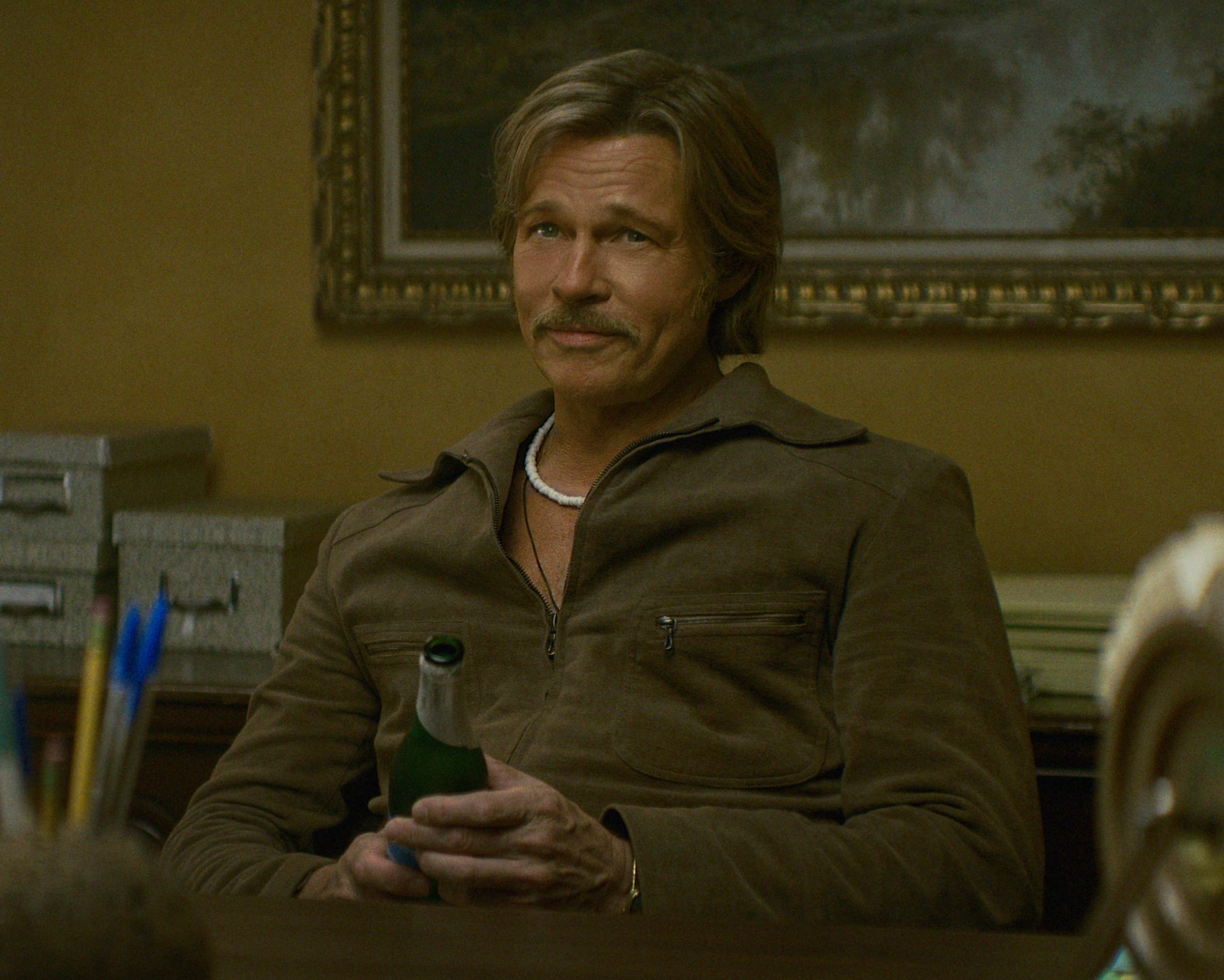
Fincher’s technical command is universally acknowledged, but Erik Messerschmidt’s cinematography draws criticism. One review describes it as “dull, flat,” lacking the visual language of Mank or The Killer, with scenes “purposefully under-lit, perhaps to hide Pitt’s age, or just because that’s the new inexplicable mandate for so many Netflix projects.”
The “scratchy vintage Netflix logo” opens the film, a touch IndieWire says “articulates the same tension with a greater clarity of purpose than any other part of this perverse collaboration.” Trent Reznor and Atticus Ross provide the score; Kirk Baxter edits.
Theatrical Release Begins November 25 2026
| Window | Date | Format |
|---|---|---|
| Theatrical | November 25, 2026 | IMAX (two weeks) |
| Streaming | December 23, 2026 | Netflix |
The Critical Verdict
Grades range from three stars (BBC, DiscussingFilm) to a B-. Empire calls it “a good hang” and “a tasty burger” that satisfies fans of the original without matching its “mythic potency.” The Hollywood Reporter labels it “sexy, seductive and chaotic in mostly fun ways,” though “less robust as a feature-length narrative.” Roger Ebert is the outlier: “Elmore Leonard would be bored.”
‘THE FURTHER MIS-ADVENTURES OF CLIFF BOOTH’ is now Certified Fresh on Rotten Tomatoes at 85% • Directed by David Fincher and written by Quentin Tarantino. Read our review: https://t.co/xp89fo4b7V pic.twitter.com/ws7gWulpq4
Tarantino told The Hollywood Reporter, “I love this script, but I’m still walking down the same ground I’ve already walked. It just kind of unenthused me.”
David Fincher, who began his career as a non-union projectionist and a production assistant at a news station in Oregon, co-founded Propaganda Films in 1986 and directed music videos for Madonna and the Rolling Stones before his feature debut with Alien 3 in 1992.
He later won a Primetime Emmy for directing the pilot of House of Cards and co-created the animated anthology series Love, Death & Robots, which earned three Emmys for Outstanding Short Form Animated Program.
Disclaimer: The cultural analyses and financial data presented in this article are based on available public records and industry metrics at the time of publication.
Quentin Tarantino thanks David Fincher for agreeing to direct ‘THE FURTHER MIS-ADVENTURES OF CLIFF BOOTH’ at the film’s Hollywood premiere. “I just couldn’t be happier.” pic.twitter.com/reVYI7Pl9h
Worth a look

Eddie Redmayne Skydives in ‘the Day of the Jackal’ Teaser; Series Launching March 2027
Eddie Redmayne jumps off a mountain in the first teaser for The Day of the Jackal season two,...
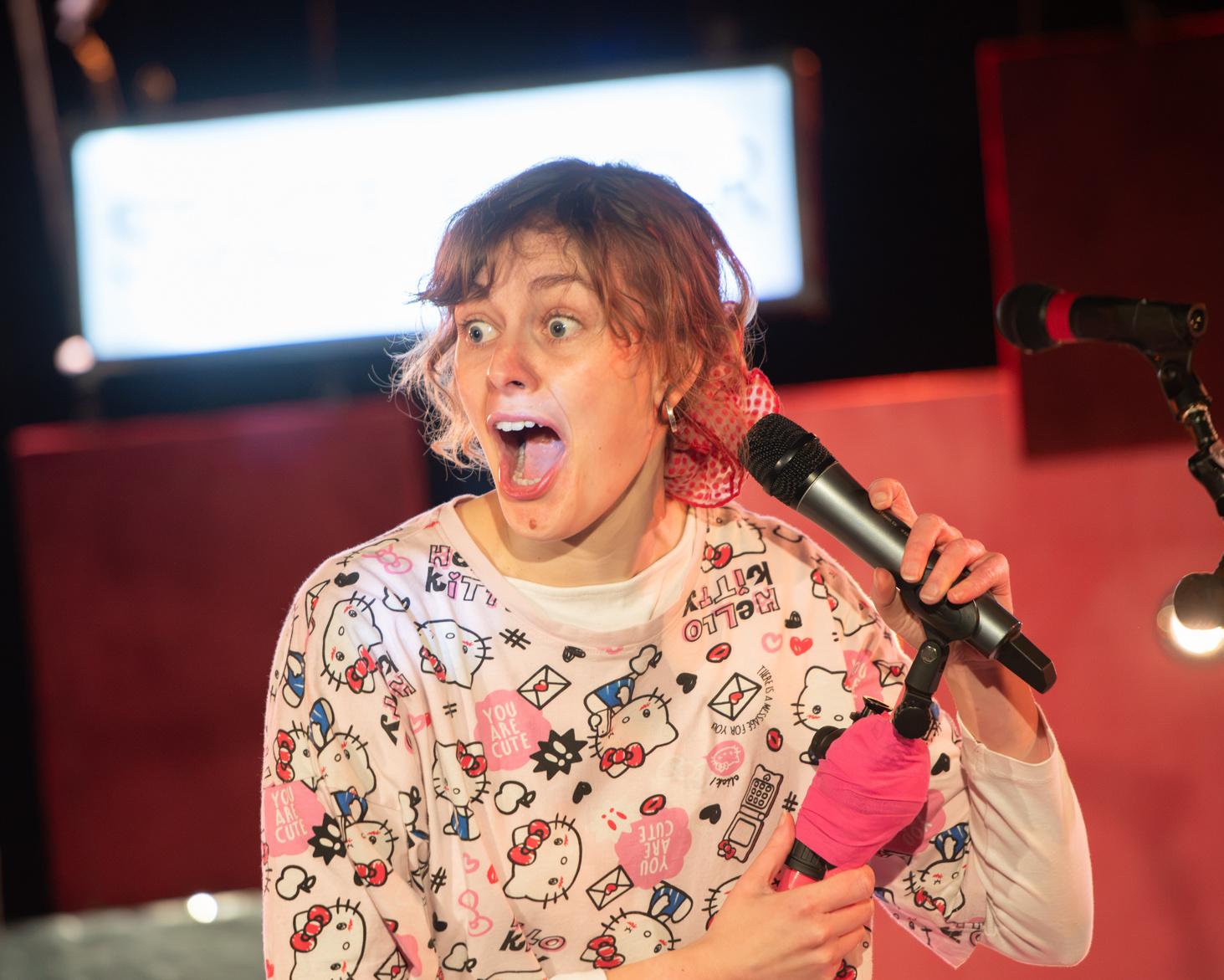
James McAvoy Praises Briony Martha’s Parasocial Activity as Show Prepares for London Transfer
"Last night I finally saw @brionymartha in her show #parasocialactivity. It is a bloody triumph. Funny, moving, upsetting...

Pitchfork: Rockstar Confirms 22 GTA 6 Radio Stations, Biggest Series Lineup
Rockstar Games confirmed 22 distinct radio stations for Grand Theft Auto 6 on Thursday, the largest audio lineup...
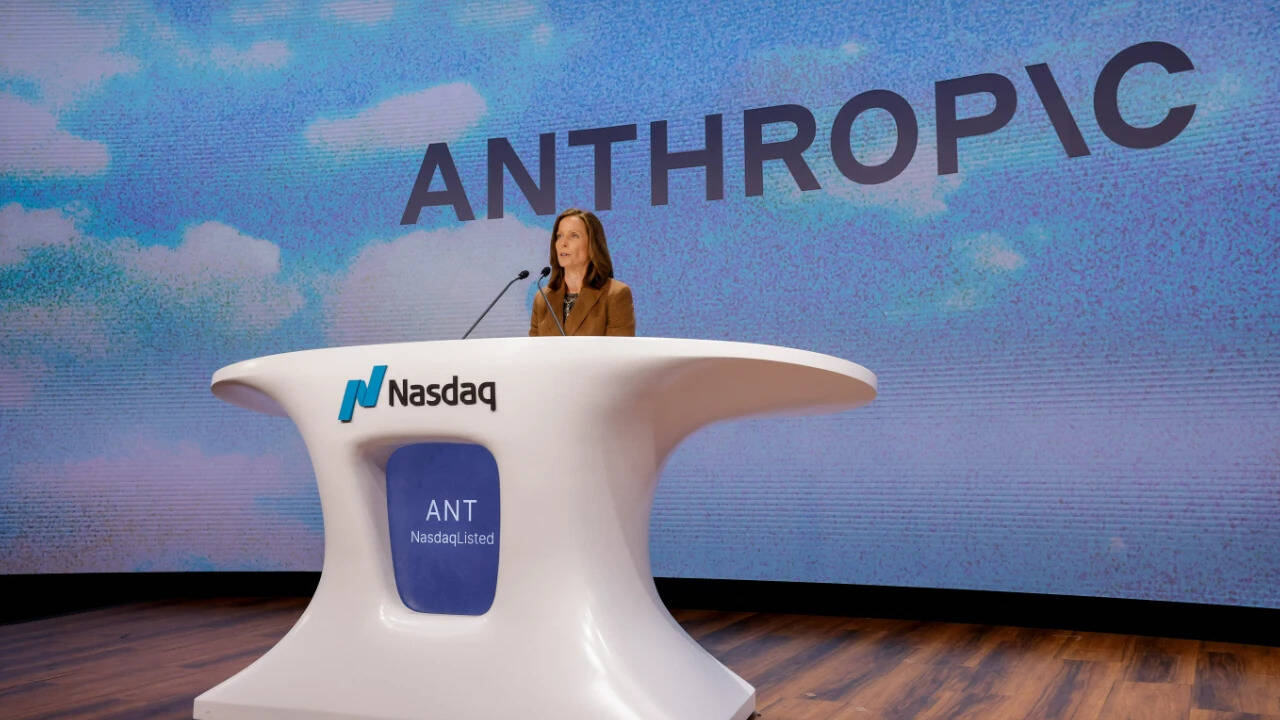
Anthropic’s Trillion-Dollar Debut Is Watershed Moment for A.I.’s Risks and Rewards
How will this tension play out in A.I. regulation and efforts by Congress to regulate the technology?