
Justice Yashwant Varma has told Parliament that the move to remove him from the bench died the moment he resigned on April 9, a constitutional argument that landed in Lok Sabha inboxes Thursday and reframes a controversy that began with burnt currency notes in March 2025.
The letter, dated September 10 and addressed to Lok Sabha Secretary General Utpal Kumar Singh, was circulated among MPs on November 19. It responds directly to the three-member inquiry committee report tabled on August 12, which found all three charges against Varma proved—failure to explain the cash, failure to preserve evidence, and evasive testimony.
Varma’s core contention rests on Article 217(1)(a) of the Constitution and the 1978 Supreme Court ruling in Union of India vs Gopal Chandra Mishra, which held that a High Court judge’s resignation takes effect ex proprio vigore—by its own force—without requiring presidential acceptance.
“Upon my resignation, proceedings directed towards my removal from office did not survive and cannot be continued,” he wrote, arguing the removal power under Articles 124(4), 124(5), and 217 applies only to a sitting judge.

The constitutional collision
The clash is procedural as much as factual. Nearly 150 MPs had moved a removal notice after an in-house Supreme Court committee flagged the allegations, prompting Speaker Om Birla to constitute the statutory inquiry panel under the Judges (Inquiry) Act, 1968. Varma challenged the panel’s constitution in the Supreme Court; his plea was rejected. He participated until April 9, then resigned and withdrew, alleging the process lacked fairness and due process.
The committee pressed on without him. Its August 12 report concluded Varma failed to explain the “presence, source or ownership of substantial unexplained Rs 500 denomination currency notes” found in a storeroom at his Tughlaq Crescent official residence after a fire on March 14, 2025. It also found he failed to secure the scene, leading to the “unexplained disappearance of the currency,” and gave evasive answers during the inquiry.
What the cash discovery actually alleged
The storeroom, Varma has consistently argued, was a detached structure accessible through an unmanned rear gate used by domestic and maintenance staff. He was on vacation when the fire broke out.
In his April 9 letter to the inquiry panel, he said it “defies ordinary logic and common sense” that he would store cash in a space accessible to several people, and noted there was no evidence linking him to the money. He also contested the “evasive” label, insisting a “plain reading” of his March 22, 2025 response showed no denial of the recovery itself.
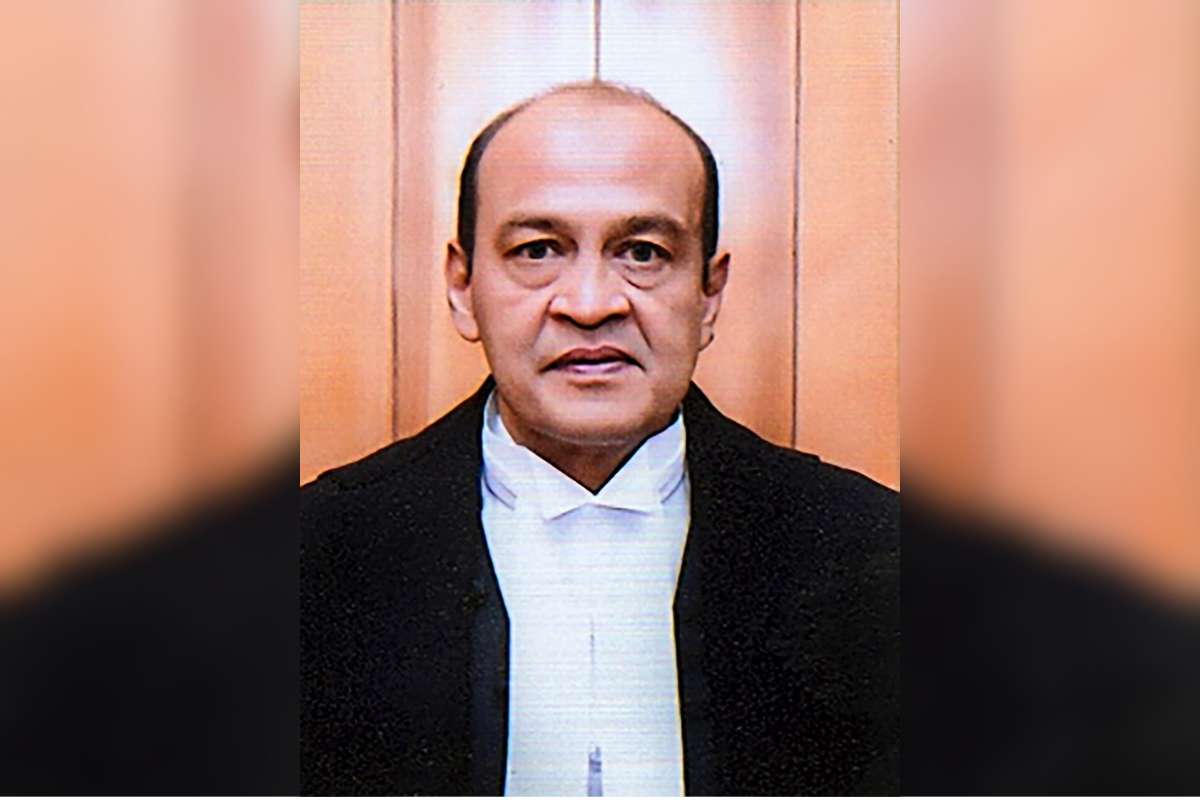
“I am innocent of the allegations against me, including the suggestion that I possessed ill-gotten funds, and asserted that my resignation should not be construed as an acknowledgement or admission of any allegation or finding,”
Varma also raised procedural objections the committee record does not appear to resolve: witnesses dropped after cross-examination exposed contradictions, CCTV footage favourable to him not produced, and the statutory Fire Services report excluded. He argued the inquiry reversed the burden of proof, relying on presumptions rather than evidence linking him to the cash.
Varma resigned before drawing salary or perks
Varma’s letter annexes his resignation to the President and his April 9 note to the inquiry panel. He states he has drawn no salary, allowance, or perquisite attached to the office since that date.
The timeline is tight: transferred from the Delhi High Court to his parent Allahabad High Court on April 5, 2025, he took oath there, ceased judicial functions shortly after, and resigned four days later while the inquiry was still underway.
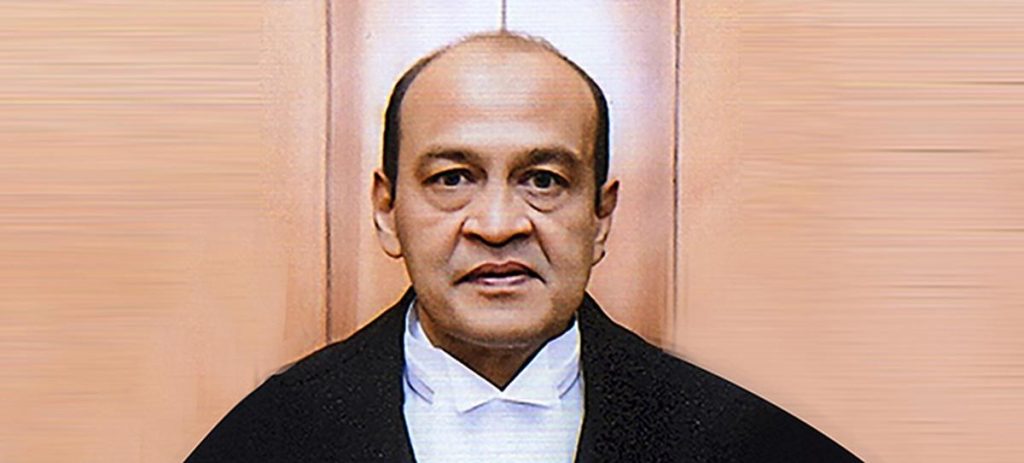
Legal experts maintain he ceased to be a judge upon submitting the resignation, and that Parliament cannot continue a removal process against a former office-holder. The term "impeachment," commonly used in Indian discourse, does not appear in the constitutional provisions governing judicial removal—a distinction Varma’s letter highlights.
The Lok Sabha, or House of the People, was first constituted on 17 April 1952 following India’s inaugural general elections held between October 1951 and February 1952. As the lower house of Parliament, its maximum strength is set at 550 members; the current 18th Lok Sabha, elected in May 2024, comprises 543 elected representatives serving five-year terms unless dissolved earlier by the President.
Speaker decides next steps after committee report tabled
The letter has been placed before both Houses. Whether the Lok Sabha Secretariat treats the matter as closed or proceeds to debate the committee’s report on a resigned judge is now a procedural call for the Speaker and, potentially, the House.
Varma requested the matter be closed. The committee’s findings stand tabled; the constitutional question—whether removal proceedings survive resignation—remains untested by a court in this specific context.

BBC Inside Science: China Emissions Plateau as COP31 Electrification Plans Advance
The UN climate summit COP31 opened in Antalya, Turkey, on Thursday with a formal focus on implementation and...

Hochul: NY to Use 6-Month Reprieve, Keep 2M on Medicaid Past Jan. Work Rules
New Yorkers on Medicaid will keep their coverage through July despite new federal work requirements that take effect...

GTA 6 Money Guide: Best Early, Mid, and Late-Game Cash Methods
Rockstar's latest crime simulator hands players a tiered economy where the fastest cash shifts from stolen sedans to...
EU Council Approves Indonesia Trade and Investment Deals for Signing
EU governments gave the green light Wednesday for the signing and provisional application of a sweeping trade and...