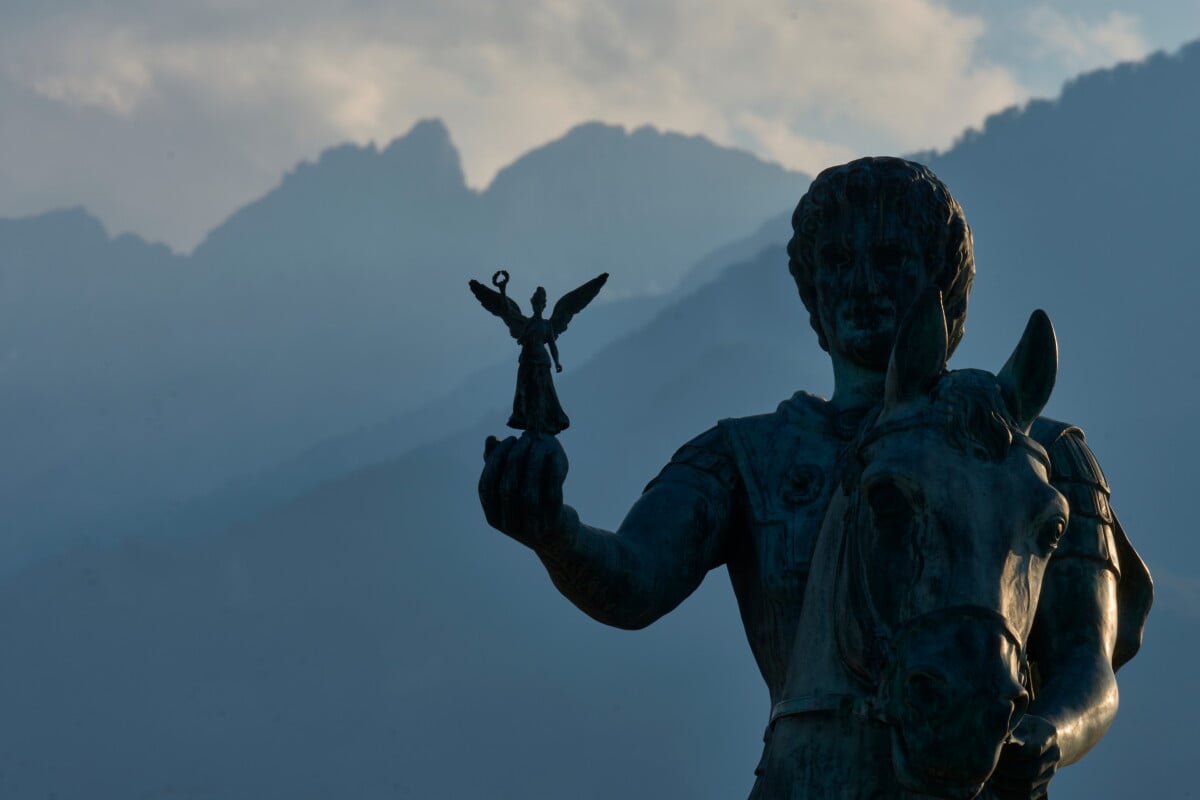
Edmund Richardson’s immersive biography Alexander: God, King, Man won the £50,000 Baillie Gifford Prize for Nonfiction at a London ceremony on Wednesday, November 4 — the first book on ancient history to take the award since it was founded in 1999. The Durham University classics professor beat five rivals selected from more than 350 eligible titles.
Kirsty Lang’s panel called it “blockbuster history”
Broadcaster Kirsty Lang, chair of the judging panel, announced the winner and praised the book as blockbuster history with page-turning narrative pull
— the first work of ancient history to win the prize, and one that reads like a novel
.
It’s very immersive. You really feel that you’re there on the battlefield, marching across Central Asia and Egypt with Alexander,
Lang said. And it contains a lot of new research,
including Richardson’s own translations of sources from 12 ancient languages.
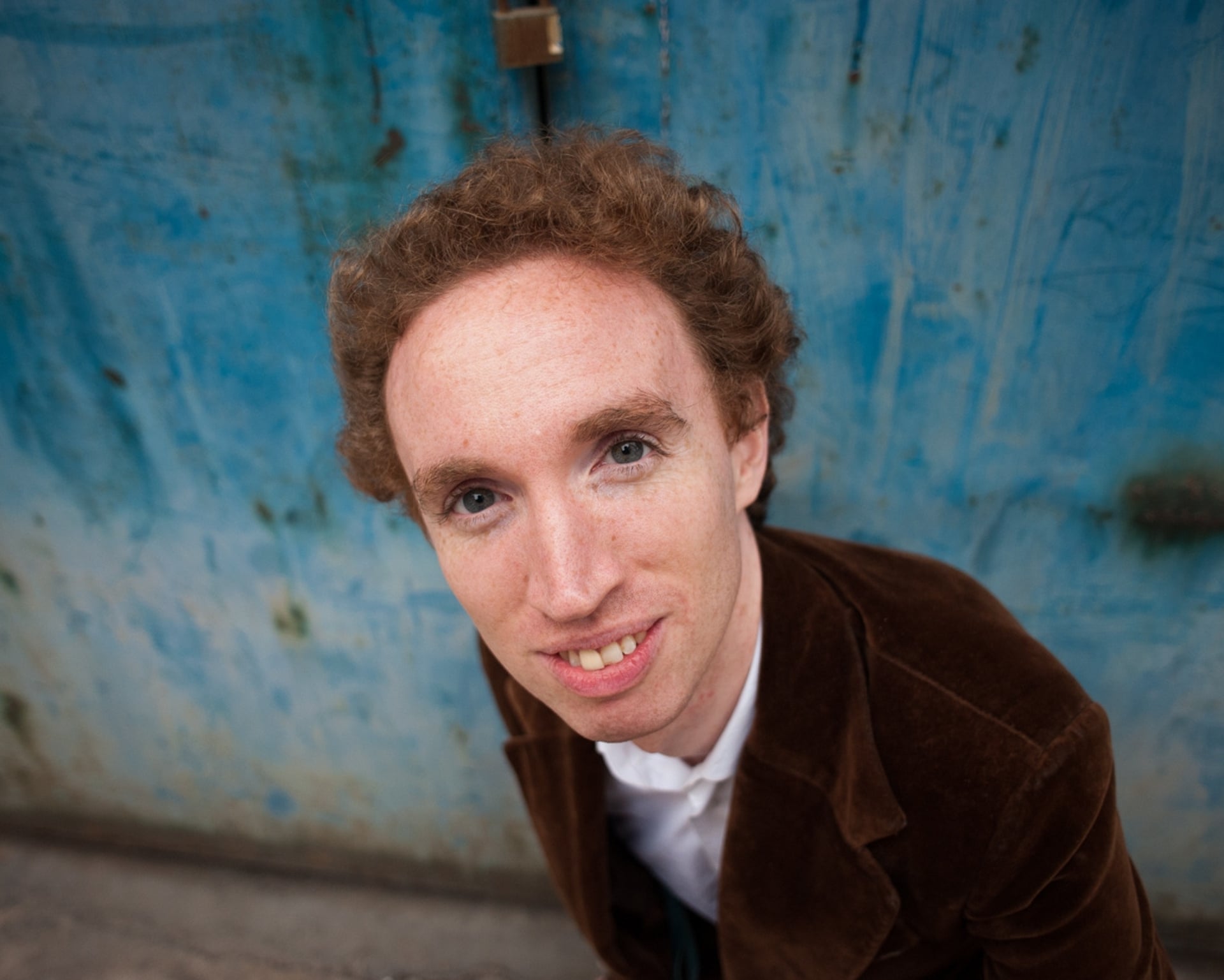
The judges also called the book a love letter to the humanities and the work of historians and archaeologists
at a time when those disciplines face funding pressure in U.K. universities and elsewhere. Lang added that the book should appeal even to fans of Christopher Nolan’s film The Odyssey, which has helped drive a surge of interest in the ancient Greek classics: They knew to tell great stories. Life, death, love, relationships, tragedy. They speak to the most basic of human emotions and motivations.
“I still don’t believe it”: Richardson reacts
Richardson, 44, called the win one of the greatest honours of my life
in a statement released after the ceremony.
To tell you the absolute truth, I still don’t believe it. When you write about the ancient world, when you write about stories over 2000 years old, you don’t expect people to pay attention. You work with lost and forgotten things, with stories that have vanished from the world. The fact that the judges, and I hope readers might see something in the story of Alexander that they connect with, and that it means something to them, means it’s a story worth telling and remembering.
Edmund Richardson, professor of classics at Durham University
Speaking to the Associated Press, Richardson dismantled the legend’s familiar framing: No one called him Alexander the Great in his lifetime.
No one thought he was going to conquer the world. He was his father’s slightly disappointing son, even when he took the throne. He was a tributary, not the main event. And then he starts to do all of these astonishing things.
Ten years, four continents, 12 ancient languages
The book traces Alexander from 336 BC, when at 20 he inherited a debt-ridden Macedonian kingdom and a barely controllable army, through the conquest of the Persian Empire to his death in Babylon at 32. Richardson spent more than a decade researching across four continents — from the catacombs of Egypt to the passes of Afghanistan — and translated sources from 12 ancient languages himself, folding in recent archaeological finds such as newly decoded records kept by Babylonian astronomers.

One review notes that he mined hieroglyphics, cuneiform and computer simulations among that material. Richardson told the AP that Alexander’s expedition transforms reality more profoundly than almost any other event in human history
— it connects the world up in ways that it has never been connected before,
producing this flood of knowledge and understanding and ideas and religious belief and science and astronomy and art, crossing from Babylon to Greece, from Greece to modern-day Afghanistan, from Egypt across to Italy.
The Times reports a personal dimension to the decade of work: the biography was written while Richardson was seriously ill.
A 27-year wait for ancient history
The Baillie Gifford Prize, founded in 1999 as the Samuel Johnson prize and sponsored by investment firm Baillie Gifford since 2016, recognizes English-language nonfiction across history, politics, science, biography and the arts. This year’s winner was chosen from more than 350 eligible books published between November 1, 2025, and October 31, 2026, narrowed to a longlist of 13 in September.
Richardson’s rivals on the six-strong shortlist were Patrick Radden Keefe’s London Falling, Nicholas Boggs’ Baldwin: A Love Story, Matthew Sweet’s The Great Dictator, Anand Gopal’s Days of Love and Rage and The Traveller by Andrea Wulf — spelled Andrew Wulf in one report — about the 18th-century naturalist George Forster. Last year’s winner was Helen Garner’s How to End a Story.

The win caps what one outlet called a bumper year for the classical world: Nolan’s Odyssey adaptation has sent Homer’s epic soaring, and last month the Canadian poet and classicist Anne Carson won the Nobel prize. Lang, meanwhile, suggested modern readers can still draw leadership lessons
from Alexander’s story.
Keep reading

Denver Nuggets Face Toronto Raptors at Ball Arena Tonight
Tonight at 7:00 p.m. MT, the Denver Nuggets welcome the Toronto Raptors to Ball Arena for a cross-conference...

UHart launches redesigned mobile-first homepage on Nov. 5
Prospective students visiting the University of Hartford's website will encounter a dramatically different digital front door starting Thursday,...

Matsui leads CA-7 race, but experts say progressive challenger Vang’s push could narrow margin as late ballots arrive
As of Wednesday morning, incumbent Congresswoman Doris Matsui held 57% of the vote in Sacramento's 7th Congressional District,...

AZDPS Trooper Faces New Felony Sexual Assault Charge
A second felony charge has been filed against a 35-year-old Arizona Department of Public Safety trooper who was...