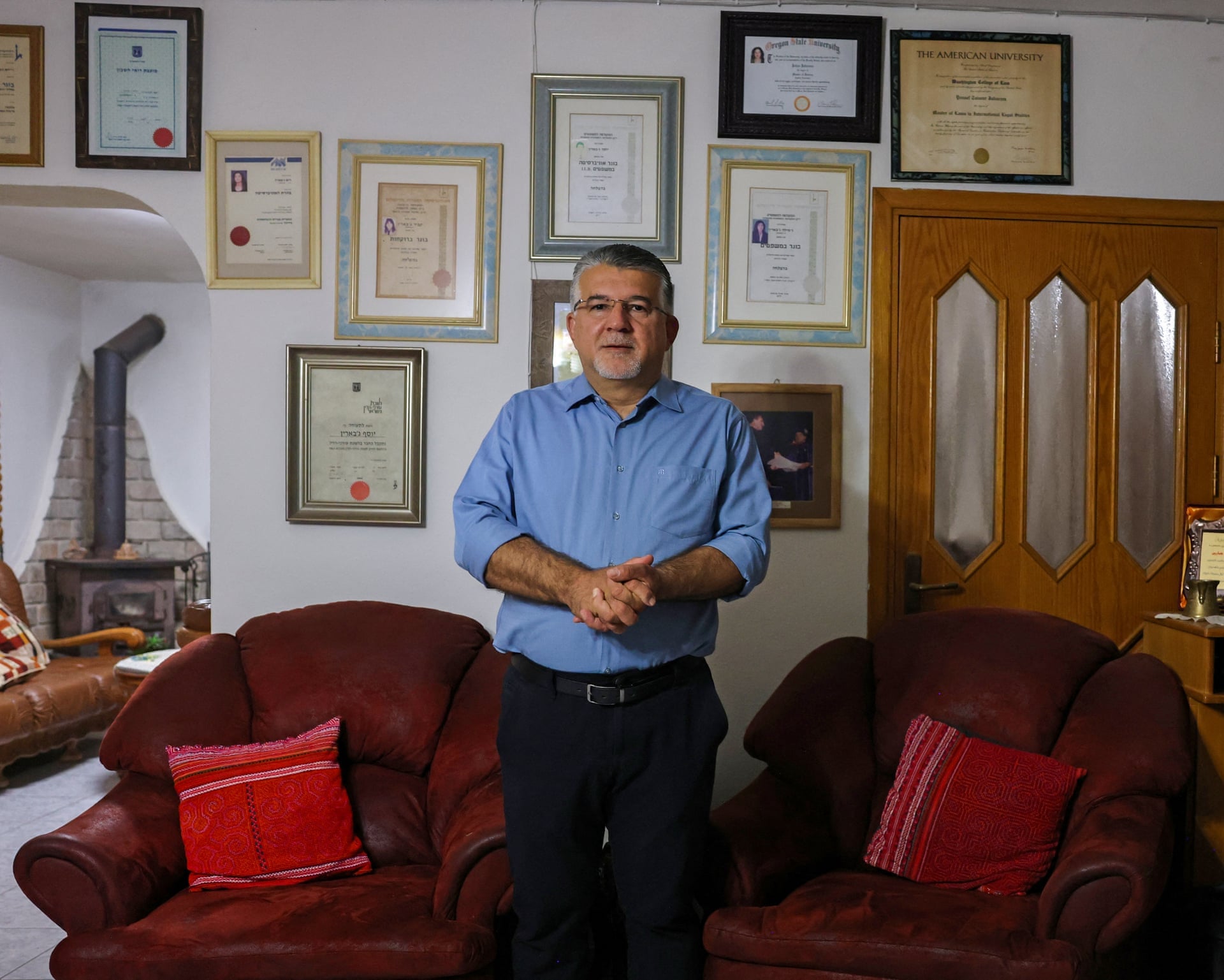
President Isaac Herzog accepted the certified results of Israel’s October 27 parliamentary election on Wednesday and began consultations with party leaders to decide who will try to form the next government, after a vote that stripped Benjamin Netanyahu’s bloc of its majority and left no grouping with the 61 seats needed to govern the 120-seat Knesset.
The election commission’s finding that there was no evidence of irregularities that compromised the integrity of the election or affected its results dealt a direct blow to Netanyahu, whose supporters had repeatedly claimed without substantiation that Arab-led parties had stolen the vote, possibly with foreign assistance.
Acting committee director Dean Livne said every complaint had been examined individually and thoroughly
, and that the results accurately reflect the choices voters made at the ballot box
.
A 120-Seat Knesset Split 53, 48 and 19
The arithmetic of the deadlock is stark. Netanyahu’s religious-nationalist coalition holds 53 seats — Likud alone won 27 on 1,167,458 votes, or 20.4% of ballots cast — while opposition leader Gadi Eisenkot’s four-party “change” bloc holds 48, and two Arab-led parties, Ra’am and the Joint List, together hold a record 19, up from 10 in the previous election. Turnout reached 77.9%, up from 70.6% in 2022 and the highest since 1999, and Arab Israeli turnout more than doubled to about 80%, according to early reporting on the Arab vote surge.
| Bloc | Seats in the 120-seat Knesset |
|---|---|
| Netanyahu’s religious-nationalist coalition | 53 |
| Eisenkot’s opposition “change” bloc | 48 |
| Arab-led parties (Ra’am and the Joint List) | 19 |
| Majority needed to form a government | 61 |
That math is why the Arab parties now hold the balance of power. Ra’am leader Mansour Abbas told supporters on election night: We are here, and we are not on the sidelines.
Ra’am has since announced it would recommend Eisenkot to Herzog, and the Joint List has signaled the same, which would give Eisenkot 67 recommendations against Netanyahu’s 53.
Fraud Claims Rejected, but a Shin Bet Probe Continues
Even as the committee certified the results, it disclosed that the Shin Bet intelligence service had told its members in a private meeting that it believed there had been a widespread phenomenon involving the influx of substantial funds into Israel from foreign states
. Committee chair Supreme Court Justice Noam Sohlberg said that at this stage these are merely suspicions, and even if they are substantiated, the scope of their potential impact is limited
— and warned that public trust in elections is easy to destroy, yet very difficult to repair
.
The Shin Bet, headed by David Zini, a Netanyahu appointee, separately sought approval to interrogate senior Arab lawmakers, including Abbas. Attorney General Gali Baharav-Miara rejected the request: It is not permissible to interrogate citizens or elected officials without evidence to justify such action.
Eisenkot accused Netanyahu of launching a pogrom against democracy
and said the employees of the Ministry of Defense, law enforcement and the civil service in Israel are servants of the state, not the king
.
Who Is Recommending Whom to Herzog
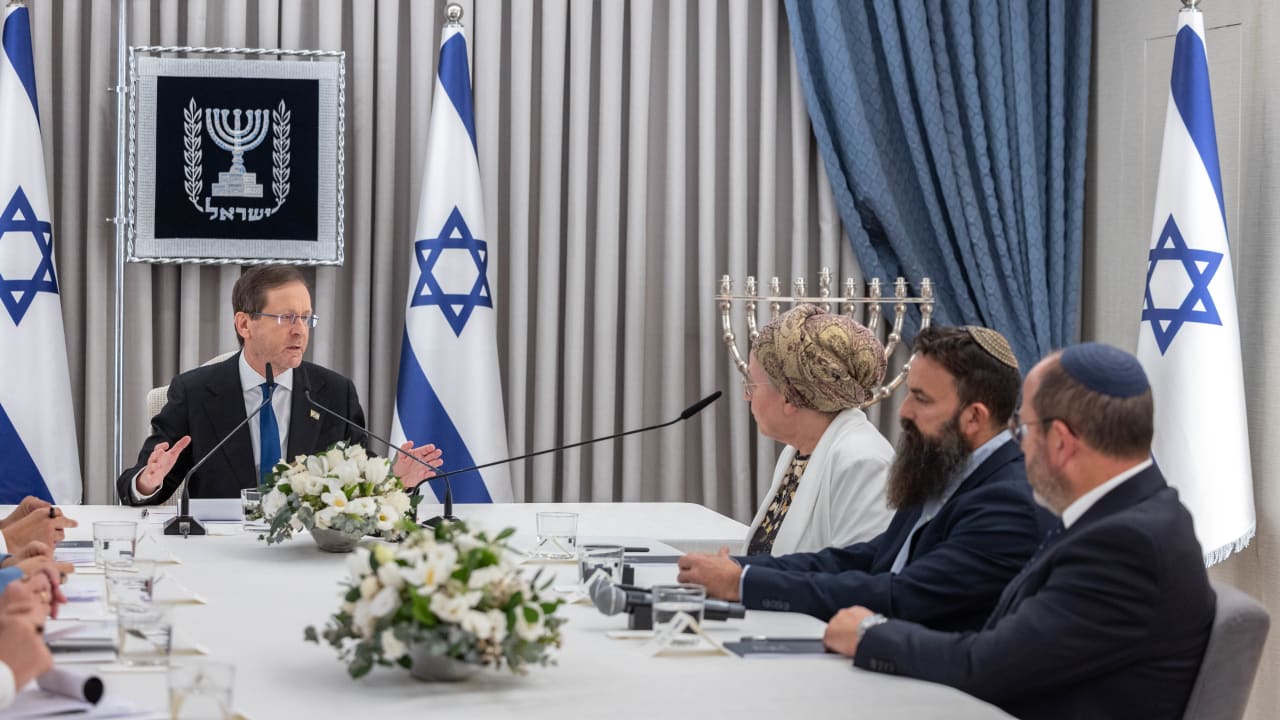
Herzog’s consultations at the President’s Residence began Wednesday and run through Thursday. The Religious Zionist Party, Shas and Zehut recommended Netanyahu; Yisrael Beytenu recommended Eisenkot, with party representative Oded Forer telling Herzog, If I look at who has the greatest chance of forming a government, it’s Gadi Eisenkot. Give him that opportunity.
Yet Forer immediately flagged the obstacle: You cannot form a government with the Arab parties.
United Torah Judaism announced it would recommend no one, while Zehut chairman Moshe Feiglin said we will recommend Netanyahu because that’s what we promised
— and questioned the results’ legitimacy anyway.
Herzog himself intervened when a Likud minister accused Arab leaders of civil jihad
, saying God forbid that a racist message should emerge from here
.
After receiving the results he condemned the coarseness and racist expressions that we have heard recently
and told Arab voters they must not be smeared
. On Sunday he had urged all parties to come with an open mind
and find creative solutions to prevent another round of elections
.
The Mandate, the Math Problem and the 28-Day Clock
Eisenkot is expected to receive the mandate once consultations conclude. But even with all 19 Arab seats added to his 48, the coalition math is tight: one analysis notes that if Avigdor Lieberman’s seven-seat party quit over Arab participation, Eisenkot would fall to 60 — still short. Eisenkot has also set conditions for any Arab partnership: recognizing Israel as a Jewish state, accepting compulsory national service, and denouncing Hamas as a terrorist organization.
Under Israel’s Basic Law, whoever receives the mandate has 28 days to form a government, with a possible 14-day extension from the president. If neither Netanyahu nor Eisenkot can assemble 61 seats, Israel holds another election early next year — and until then Netanyahu remains caretaker prime minister. The new Knesset convenes November 10, where Jewish opposition parties and the Arab parties could cooperate on votes even before any coalition exists.
Worth a look
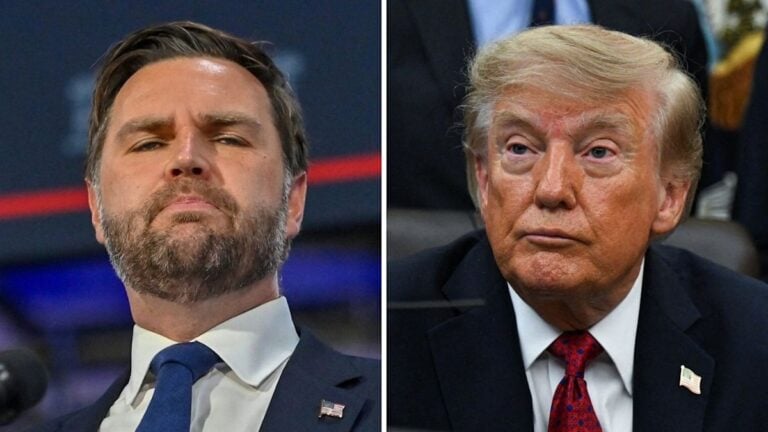
JD Vance Blames Iran War for Republican Midterm Defeat
Vice President JD Vance blamed the war with Iran for the Republican Party's midterm defeat in a Wednesday...

Malawi Delegation Studies Ghana Mining Systems for Resource Management
Managing mineral resources responsibly — and making sure the wealth they generate reaches people and communities…
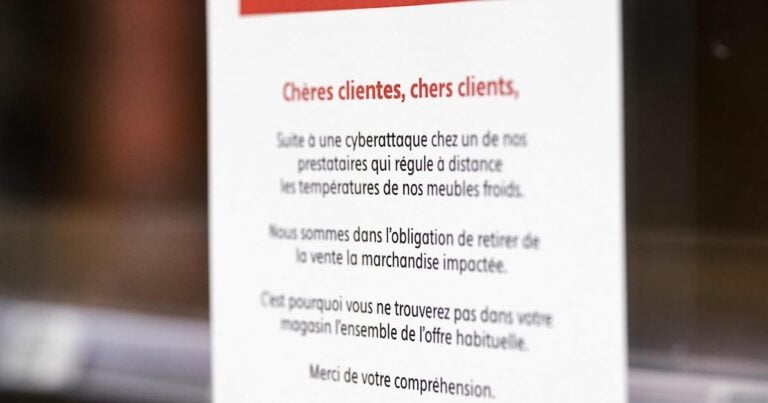
Blood Spared as Hackers Hit European Supermarkets and French Blood Banks
Hackers remotely reprogrammed cold stores holding France's national blood supply to climb toward 110°C overnight on November 1-2.
Trump Agrees to Grant Visa to Mother of Ghanaian Boy Killed in Bronx
Javits Frimpong, a 15-year-old Ghanaian boy who had lived in the Bronx for barely a year, was chased...