Eight new Richmond neighborhoods designated for federal tax incentives
Richmond is set to expand its footprint of federal investment incentives this coming January. Eight new census tracts across the city will be designated as Opportunity Zones, a move designed to pull private capital into economically distressed areas through significant tax advantages. According to a report from richmonder.org, these new designations will officially take effect on January 1, 2027.
The program works by offering investors a way to defer or reduce the taxes they owe on prior capital gains, provided they reinvest those profits into projects located within these specific zones. This mechanism is intended to bridge the funding gap in neighborhoods that have historically struggled to attract the level of commercial and residential development seen in more affluent parts of the city.
Virginia Secretary of Commerce and Trade Carrie Chenery highlighted the strategic importance of the expansion during an announcement on Friday, noting that these zones serve as a vital tool for directing investment toward the locations where it can generate the most significant impact.
The specific boundaries of the new zones
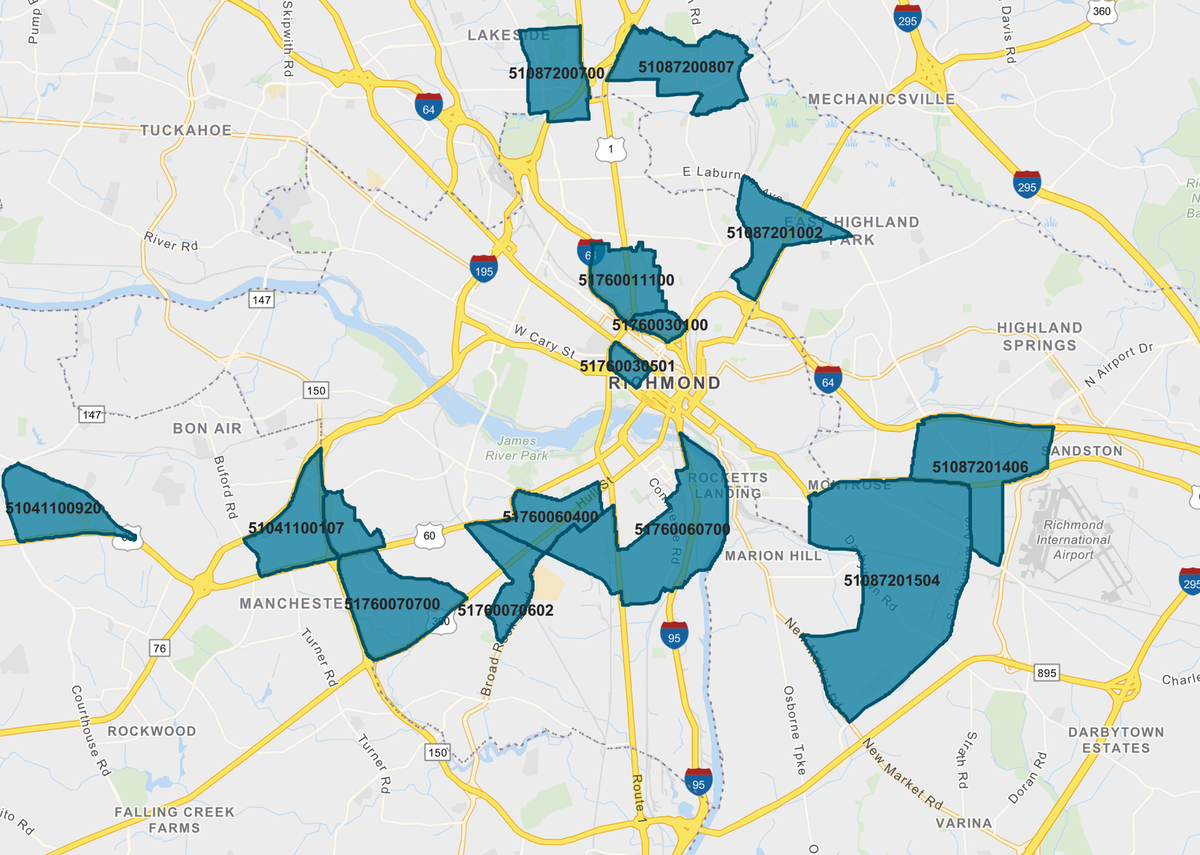
The upcoming designations cover a diverse range of Richmond neighborhoods, stretching from the urban core to the southern corridors. The new census tracts include:
- 51760011100: Areas surrounding Chamberlayne Avenue near Virginia Union University.
- 51760030100: The Gilpin Court community.
- 51760030501: The Arts District, spanning between East Broad and Canal streets and Belvidere and North 5th Street.
- 51760060400: Much of the Swansboro, Reedy Creek, and Broad Rock neighborhoods.
- 51760060700: A large section of the Route 1 and Interstate 95 corridors, running from Stockton Street in the west to the James River in the east, and extending south to Bellemeade Road.
- 51760070602: A wedge-shaped area located west of the McGuire VA Hospital.
- 51760070700: Neighborhoods including Pocoshock, Warwick, Worthington Farms, and Elkhardt.
- 51760071004: The area stretching around Chippenham Hospital and the Hioaks neighborhood down to Midlothian Turnpike.
These Richmond selections are part of a larger statewide shift, as the city’s picks were among 153 new designations announced across Virginia.
Learning from the Scott’s Addition precedent
This isn’t the first time Richmond has utilized this federal framework. When the program launched in 2018, it established 11 Opportunity Zones within the city. One of those original zones was located in Scott’s Addition, an area that saw extensive investment following the designation. The success in Scott’s Addition provides a template for what city officials hope to replicate in the new tracts.
While the original 2018 designations are scheduled to remain in place through the end of 2028, these new zones come with a longer horizon, lasting for 10 years. Richmond Mayor Danny Avula expressed optimism regarding the long-term potential of the program for the city’s most vulnerable areas.
“To meaningfully strengthen our communities, we need to find ways to encourage investment,” Mayor Avula said. “Federal tax incentives like the Opportunity Zone program, when applied to priority reinvestment areas such as Gilpin Court, Monroe Ward, Southside, and others, can spur important economic and community development that is sure to last far beyond the program years.”
The economic debate over incentivized growth
While the administration views these zones as a catalyst for stability, the program’s reliance on private capital often sparks debate among urban planners and economists. Critics of the Opportunity Zone model frequently argue that tax incentives can inadvertently accelerate gentrification, potentially driving up property values and displacing the very residents the program is intended to help. The tension lies in whether the “community development” mentioned by Mayor Avula results in inclusive growth or simply shifts the demographic makeup of the neighborhood to accommodate new investors.
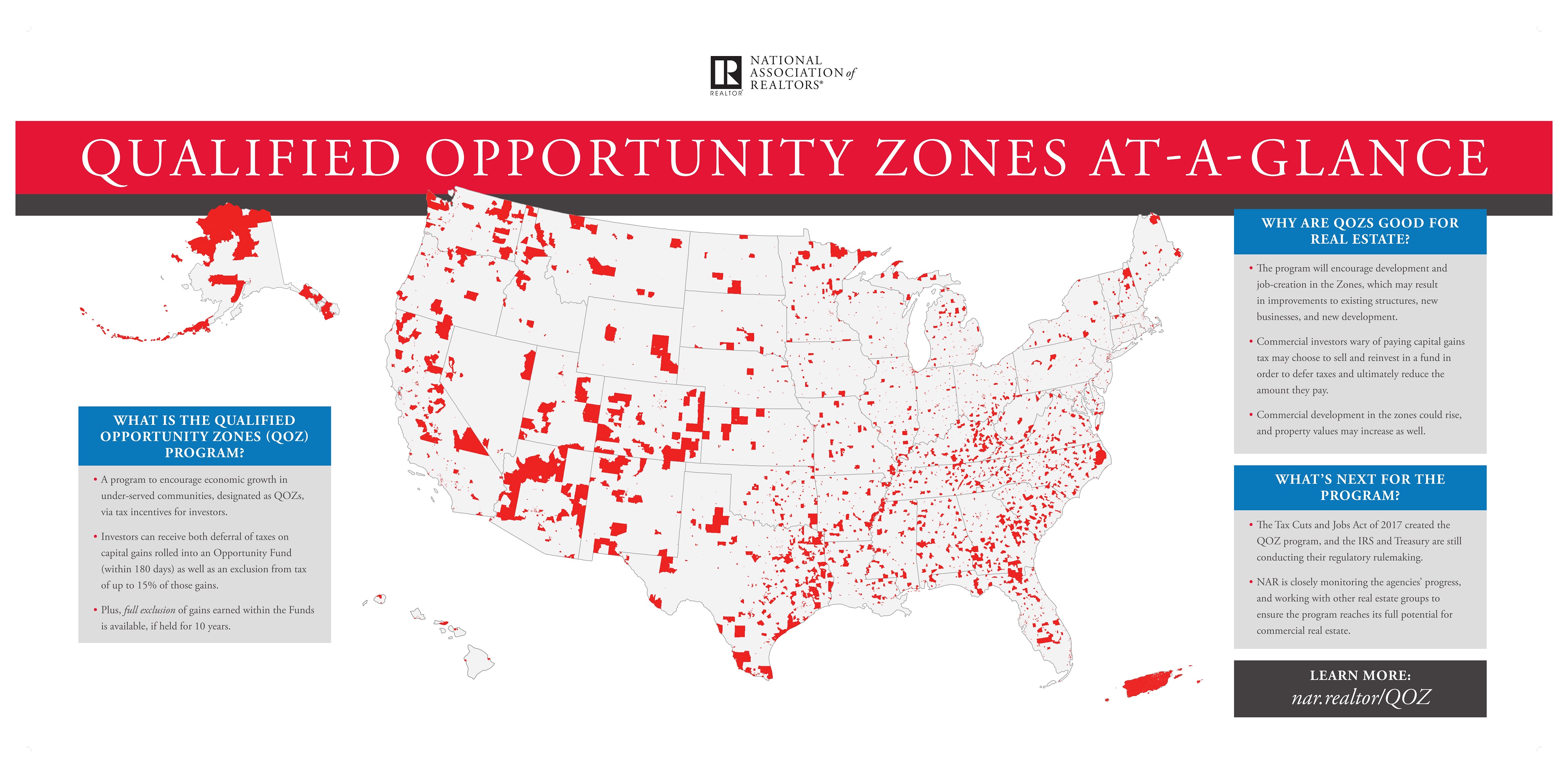
The stakes are high for the residents of areas like Gilpin Court and the Route 1 corridor. For these communities, the arrival of new capital could mean improved infrastructure, better access to services, and increased local employment. Conversely, the “so what” for a long-term resident often centers on whether they will be able to afford to stay in their neighborhood once the new investment arrives. The success of the program will likely be measured not just by the total dollars invested, but by the stability and economic mobility of the existing population.
As the January 1 implementation date approaches, the focus shifts from policy designation to actual project proposals. Investors looking to utilize the federal tax benefits will have a decade to shape the landscape of these eight new census tracts.
Keep reading

No. 9 Virginia Battles No. 12 Arkansas in Skyscanner Capital Showcase
No. 9 Virginia meets No. 12 Arkansas in high-stakes Washington, D.C. matchup The No. 9 Virginia Cavaliers enter...

Phoenix Police Seek Help After Suspects Crash Stolen Car Into Gun Store
Two masked suspects flee with rifles after crashing stolen car into Phoenix gun store Two masked men are...

No. 20 Alabama outlasts Arkansas State 101-86 in Coleman Coliseum
Alabama outlasts Arkansas State in high-scoring Coleman Coliseum battle The No. 20 Alabama Crimson Tide relied on a...

Wisconsin Democrats Achieve Trifecta as David Crowley Wins Governor’s Race
David Crowley wins Wisconsin governorship as Democrats secure state trifecta Democrat David Crowley won the Wisconsin governor’s race...