
Latter-day Saints in cities like Portland, Maine, and Otavalo, Ecuador, are experiencing a shift in how they connect with their faith, as the Church of Jesus Christ of Latter-day Saints accelerates its global temple expansion. What once required long-distance travel to major hubs is becoming a localized reality for many, moving the center of worship from distant regional landmarks directly into local church districts.
According to a report from Church News, the scale of this expansion is significant. When Jon Ryan Jensen was born, the Church operated only 17 dedicated temples. By the end of 2026, that number will have grown by an unprecedented margin, with 18 new temples opened so far this year and an additional three scheduled to open before the year concludes.
A shift in how new temples are announced
The expansion isn’t just about the number of buildings, but about how the community learns of them. President Dallin H. Oaks has implemented a change in the announcement process to increase the personal impact on local members. Rather than waiting for a global general conference to reveal new locations, President Oaks has moved toward announcing temples within the specific districts where they will be built.
This change was highlighted during the dedication of the Burley Idaho Temple on Jan. 11, 2026. During that event, President Oaks noted that this localized approach removes the long periods of anticipation or potential disappointment that can occur when announcements are made on a global, centralized schedule. For members in places like Marysville, Washington, the news now arrives as a direct, localized event, making the realization of a new temple feel like a “lifelong dream” coming true in real-time.
“The best place to announce a temple is in that temple district,” President Oaks said during the Burley dedication.
This strategy aims to foster immediate optimism. President Oaks emphasized that despite various life challenges, members should maintain a sense of trust, stating that the Lord has “set us up to succeed, not to fail.”
Shrinking distances and spiritual reservoirs
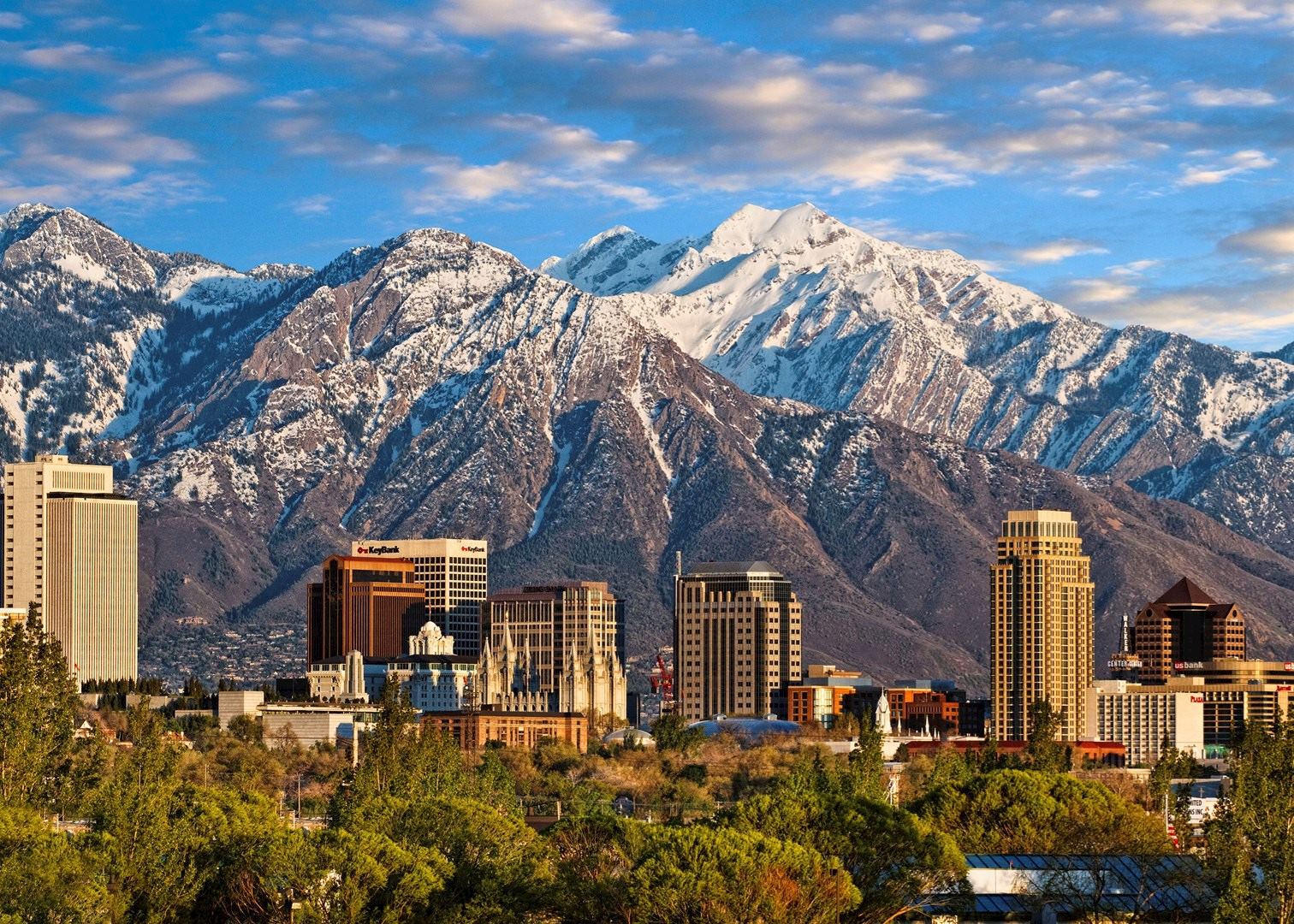
For many members, the proliferation of temples is fundamentally changing their weekly rhythms and spiritual habits. In Wichita, Kansas, following the dedication of a new temple on Nov. 1, 2026, local members shared how the proximity of a house of worship changes the math of religious service. For years, these Saints traveled extensively to reach temples in Salt Lake City, Manti, Utah, Dallas, Texas, Kansas City, Missouri, and Oklahoma City, Oklahoma.
The reduction in travel time does not necessarily reduce the desire for worship; rather, it appears to increase the capacity for it. Local members expressed that easier access provides more frequent opportunities to serve and covenant. Earl McIntyre, a member in Wichita, described the spiritual impact of temple attendance as a cycle of “filling and depleting” a spiritual reservoir, expressing hope that his grandchildren would be able to attend more frequently than he was able to in his own life.
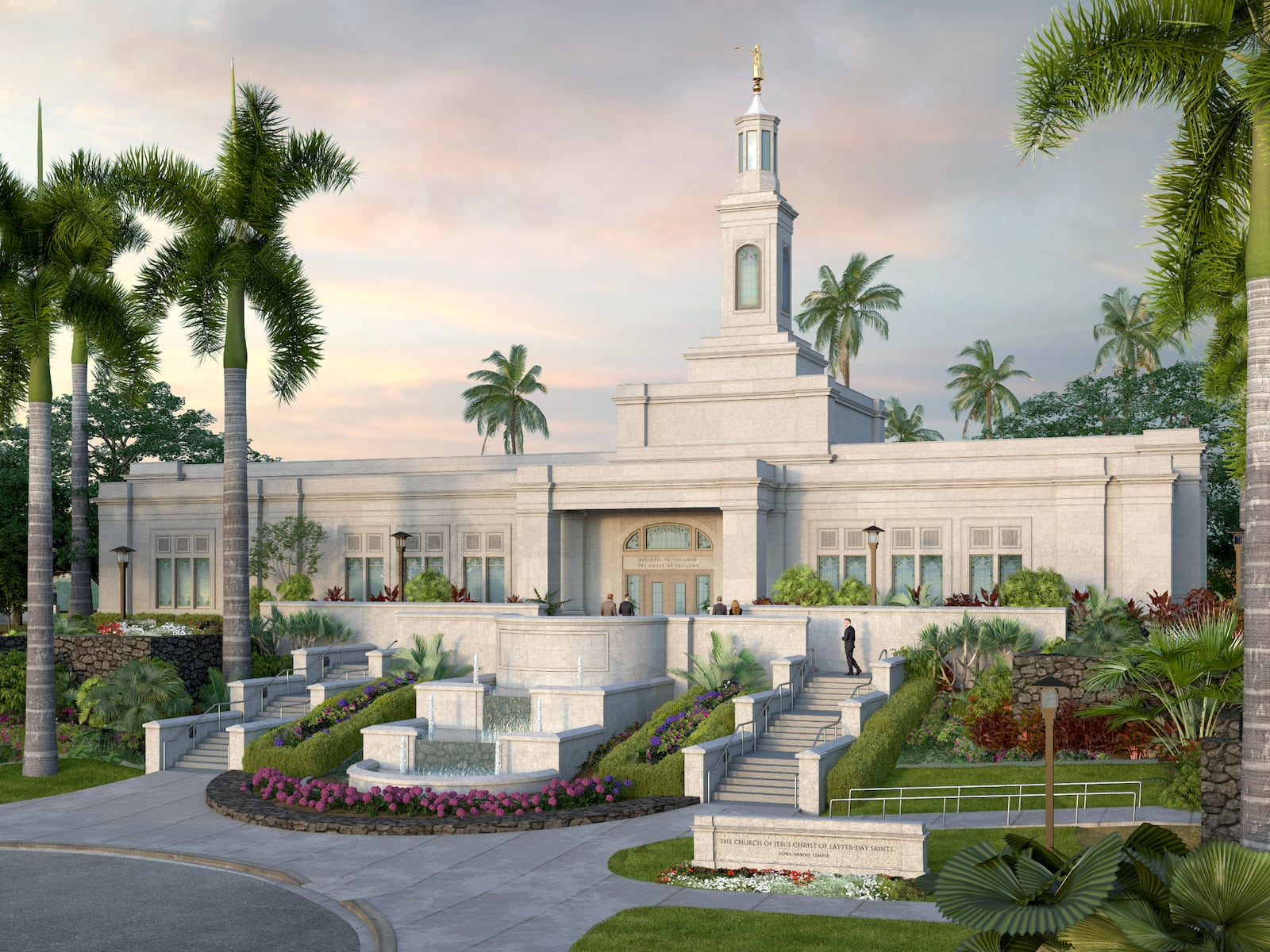
This sentiment was echoed by President Henry B. Eyring, who dedicated the Montpelier Idaho Temple last month. He suggested that frequent temple worship provides the specific strength needed to navigate life’s obstacles and temptations.
The practical implications of this expansion include:
- Increased accessibility: Members in remote or previously underserved areas, such as Otavalo, Ecuador, now have local access to temple services.
- Localized community impact: Announcements made within districts create immediate, sacred experiences for local congregations.
- Shift in travel patterns: The necessity for long-distance religious travel to major hubs is decreasing for many midwestern and international members.
Following the Wichita Kansas Temple dedication, Elder Patrick Kearon of the Quorum of the Twelve Apostles offered a perspective on the purpose of these structures, inviting members to use the increased access to seek Jesus Christ within the temple walls.
As the number of temples continues to rise, the focus for the membership shifts from the logistics of how to get to a temple to how to best utilize the time they now have available to serve within them.
Keep reading

No. 9 Virginia Battles No. 12 Arkansas in Skyscanner Capital Showcase
No. 9 Virginia meets No. 12 Arkansas in high-stakes Washington, D.C. matchup The No. 9 Virginia Cavaliers enter...

Phoenix Police Seek Help After Suspects Crash Stolen Car Into Gun Store
Two masked suspects flee with rifles after crashing stolen car into Phoenix gun store Two masked men are...
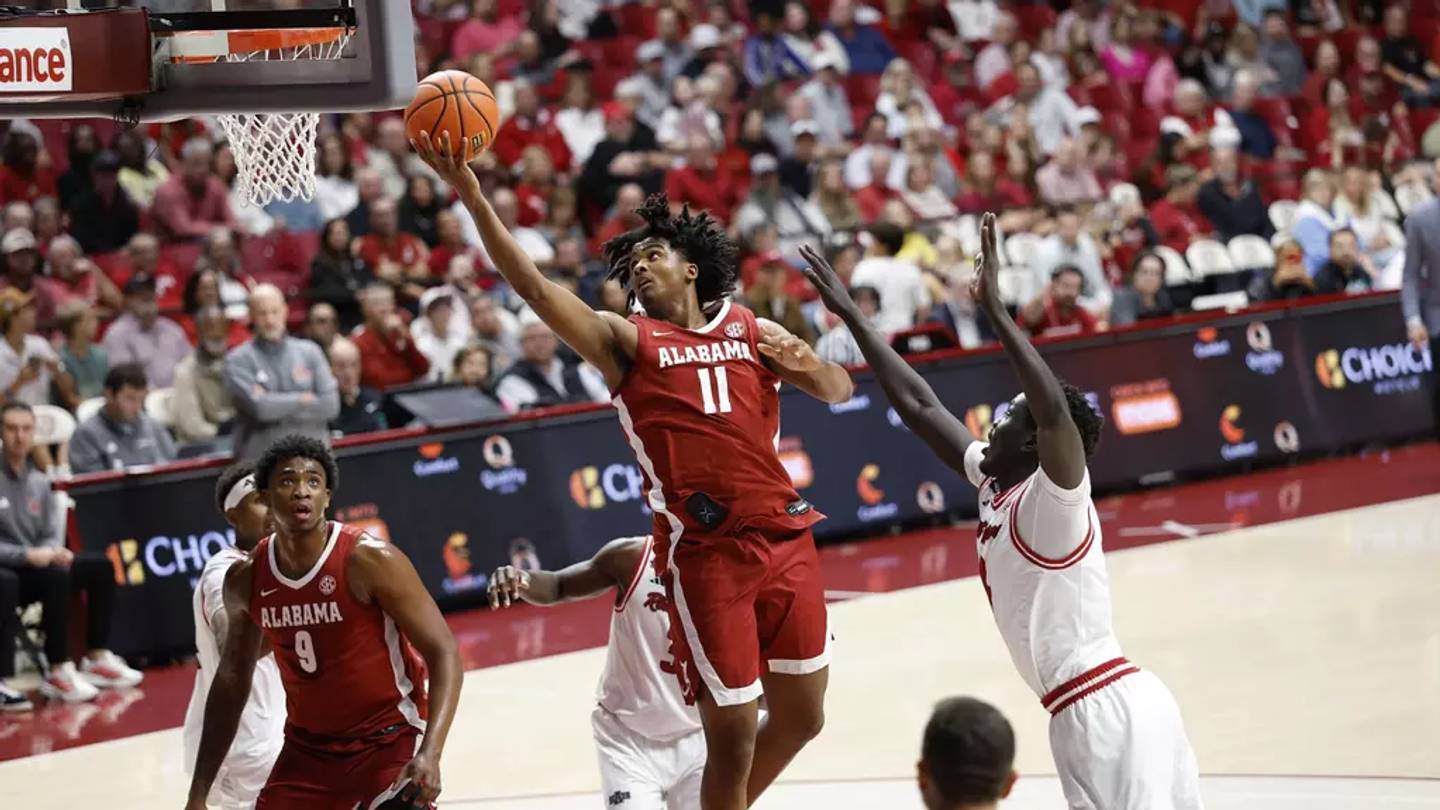
No. 20 Alabama outlasts Arkansas State 101-86 in Coleman Coliseum
Alabama outlasts Arkansas State in high-scoring Coleman Coliseum battle The No. 20 Alabama Crimson Tide relied on a...

Wisconsin Democrats Achieve Trifecta as David Crowley Wins Governor’s Race
David Crowley wins Wisconsin governorship as Democrats secure state trifecta Democrat David Crowley won the Wisconsin governor’s race...