Alaska’s Juneau Votes in a Crucible of Change
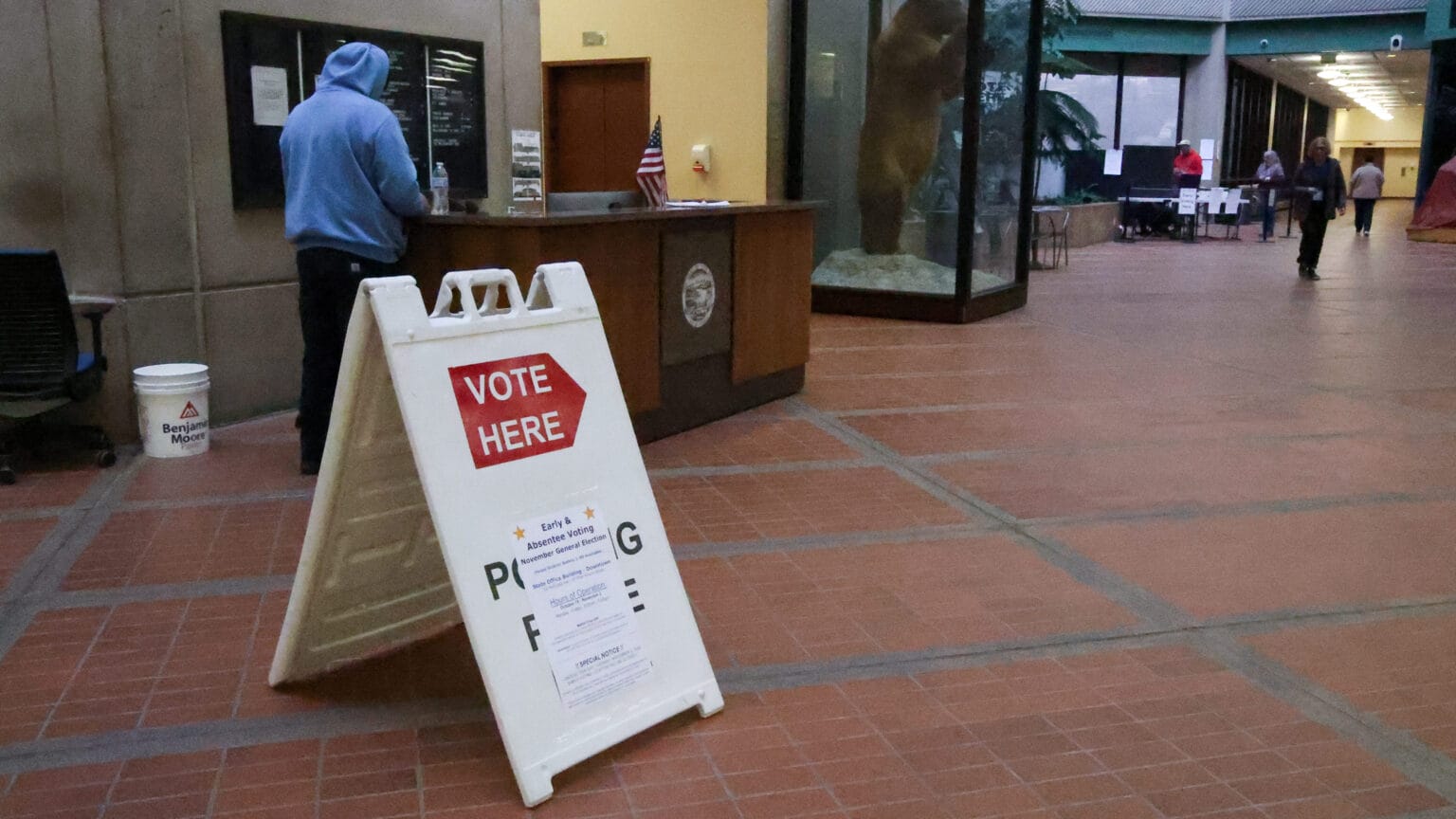
On Tuesday, November 2, 2026, voters in Juneau, Alaska, will cast ballots in a statewide general election that feels like a crossroads. The stakes are high: decisions made in this Pacific Northwest city will ripple across the state’s political landscape, shaping everything from local governance to the future of ranked choice voting. KTOO reported that lines formed at the State Office Building on October 20, a sign of the civic energy humming through the region. But this election isn’t just about choosing leaders—it’s about determining the rules of the game itself.
The Voting Landscape in Juneau
Juneau’s 13 polling locations, including two new additions—the State Office Building and the Juneau Tlingit & Haida Community Council—reflect a community adapting to the demands of modern democracy. Early and absentee voting, open since October 19, has already seen significant turnout, with voters navigating a ballot that includes races for governor, U.S. House and Senate, and state legislatures. The city’s two state House districts, 3 and 4, are central to this election. In District 3, Republican Annette Kreitzer challenges Democrat Andi Story, who has held her seat since 2019. District 4, meanwhile, features an uncontested race for incumbent Sara Hannan, a Democrat, as the seat once held by Juneau’s Sen. Jesse Kiehl remains vacant this cycle.
What sets this election apart is Alaska’s ranked choice voting (RCV) system, implemented in 2022. Voters can rank candidates in each race, a process that has already sparked debates about its effectiveness. The system’s resilience is now being tested as Ballot Measure 2, a proposal to repeal RCV and other election laws from 2020, gains traction. If passed, Measure 2 would revert to a more traditional voting model, altering how Alaskans choose their leaders.
The Hidden Cost to the Suburbs
The implications of Ballot Measure 2 extend beyond Juneau. If approved, it would dismantle ranked choice voting, which has been credited with reducing polarizing campaign tactics and encouraging broader candidate participation.
Proponents of Measure 2, however, claim the current system is confusing and prone to errors. “Alaskans deserve a simpler, more transparent process,” said state Representative Mark Reynolds, a Republican. “RCV has created more problems than it’s solved, and we need to go back to basics.” The debate highlights a broader national trend: the tension between reform and tradition in American elections.
Ballot Measures with Far-Reaching Implications
In addition to the races for office, voters in Juneau will weigh in on two critical ballot measures. Ballot Measure 3, which aims to revise language on voter qualifications, could affect eligibility criteria for future elections. While the measure’s language is vague, its potential impact is clear: it could redefine who gets to participate in the democratic process. Meanwhile, Measure 2’s fate will determine whether Alaska’s experiment with RCV continues or is abandoned.
The stakes are particularly high for Juneau residents, many of whom have grown accustomed to the nuances of RCV. “It’s been a game-changer for us,” said local teacher and voter Maria Lopez. “I’ve seen candidates reach out to more people, and the process feels more inclusive.” Yet, with the state’s political climate shifting, the future of this system is uncertain.
Where to Vote: A Guide for Juneau Residents
For those navigating the election, the Division of Elections’ precinct locator is an essential tool. Polling places range from the University of Alaska Southeast Recreation Center to the Juneau Fire Station, ensuring accessibility across the city. Early voting has already demonstrated the public’s engagement, but Election Day itself will be a test of the system’s readiness. With 13 locations open from 7 a.m. to 8 p.m., the challenge lies in managing voter turnout while maintaining the integrity of the process.
The State Office Building, a frequent site for voter activity, has become a symbol of this election’s significance. As KTOO reported, the building’s lines on October 20 reflected a community deeply invested in its future. “This is our chance to shape what comes next,” said one voter, who requested anonymity. “Whether it’s through the candidates or the measures, every vote matters.”
The Devil’s Advocate: A Cautionary Tale
Not everyone sees RCV as a triumph. Some argue that the system has led to longer ballot processing times and confusion among voters. In 2022, Alaska’s first RCV election saw a 12% drop in voter turnout compared to the previous cycle, though analysts attribute this to factors like weather and candidate quality. Still, the data raises questions about the system’s long-term viability. “We need to be honest about the challenges,” said political commentator David Lee. “RCV isn’t a silver bullet—it’s a tool that requires careful implementation.”
Measure 2’s supporters also point to the 2020 election laws, which they argue created inconsistencies in campaign finance disclosures. “Transparency is key,” Lee added. “If we’re going to trust our elections, we need clear rules for everyone.”
The Human and Economic Stakes
For Juneau’s residents, the election isn’t just about politics—it’s about livelihoods. The city’s economy, heavily tied to tourism and state funding, is sensitive to shifts in leadership. A change in the state legislature could alter funding for local projects, from infrastructure to education. “Every decision in Juneau has a ripple effect,” said business owner Tom Harris. “We’re not just voting for a governor; we’re voting for our community’s future.”
The ballot measures also carry economic weight. Ballot Measure 2’s potential repeal of campaign finance laws could lead to increased spending by special interests, while Measure 3’s revisions might affect voter access. Both outcomes have implications for how resources are allocated and who gets to participate in the process.
The Road Ahead
As Election Day approaches, the focus in Juneau remains on the people. The city’s polling places, from the Mendenhall Valley Public Library to the Juneau Christian Center, are more than just locations—they’re spaces where democracy is lived and breathed. For many, this election is a chance to assert their voice in a system that often feels distant.
But the real test lies in what comes next. Whether Juneau’s voters choose to preserve RCV or revert to older methods, the outcome will shape not just the city’s future, but Alaska’s. As the polls close on Tuesday, the question remains: Will this election be a step forward—or a step back?

Wilma Emmalee Austin of Huntsville, Arkansas Passes Away at 84
A Life of Connection in Northwest Arkansas Wilma Emmalee Austin, a longtime resident of Huntsville, Arkansas, passed away...

Jury Convicts Little Rock Woman of Conspiracy to Commit Sex Trafficking of a Minor
Federal Jury Convicts Little Rock Woman in Sex Trafficking Conspiracy In a case that underscores the relentless efforts...

Women’s Basketball opens with Mississippi State in Starkville – University of North Alabama Athletics
North Alabama Women’s Basketball Faces SEC Powerhouse Mississippi State in Starkville The University of North Alabama women’s basketball...
Amihan to bring rains over parts of Extreme Northern Luzon on Nov. 3
The Philippine Atmospheric, Geophysical and Astronomical Services Administration (PAGASA) reported that the northeast monsoon, or amihan, will bring...