
Federal Jury Convicts Little Rock Woman in Sex Trafficking Conspiracy
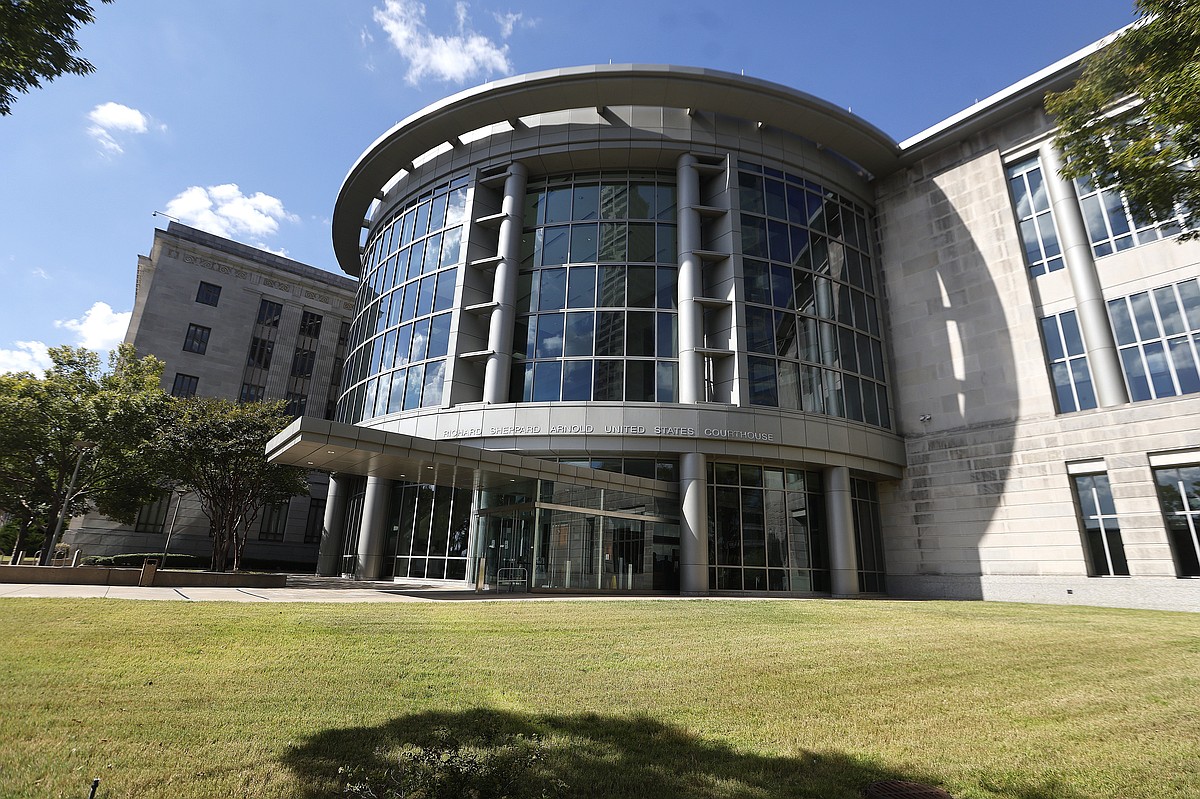
In a case that underscores the relentless efforts of federal law enforcement to combat child exploitation, a Little Rock woman was convicted on October 29, 2026, of conspiracy to commit sex trafficking of a minor. The verdict, delivered by a federal jury in the Eastern District of Arkansas, marks a significant step in a decade-long legal battle that began with a 6-year-old child’s hospitalization in February 2018. [justice.gov]
The child, who was admitted to Arkansas Children’s Hospital with symptoms later linked to multiple sexually transmitted diseases, became the catalyst for a sprawling investigation. Forensic interviews revealed that the girl had been raped by two men, DeMarcus George and Mario Waters, with evidence later showing both had contracted the same infections she had. The case, which has drawn national attention, highlights the grim reality of child trafficking networks and the challenges of prosecuting such crimes. [arkansasonline.com]
The Evidence That Sealed the Conviction
The trial, which lasted three days, hinged on a combination of medical records, financial data, and digital communications. Prosecutors presented DNA evidence linking George and Waters to the child’s infections, as well as text messages between Englade and George that detailed their alleged collaboration. One exchange, in which Englade promised not to speak to authorities, was particularly damning. [justice.gov]
Financial records further implicated Englade, showing she rented multiple hotel rooms during the timeframe of the alleged trafficking. A forensic analysis of her phone records confirmed repeated contact with hospitality businesses, while her own statements to police contained inconsistencies that undermined her credibility. The jury’s three-hour deliberation reflected the gravity of the charges, which carry a potential life sentence under federal law. [arkansasonline.com]
A Decade of Legal Battles and Systemic Challenges
The case dates back to December 2022, when Englade was indicted by a federal grand jury. However, the exploitation she allegedly facilitated began years earlier. In 2019, George and Waters were already facing charges for their roles, with George pleading guilty in 2021 and receiving a life sentence. Waters, who was also sentenced to life, died in custody in 2023, leaving Englade as the sole defendant in the latest phase of the prosecution. [justice.gov]
The case is part of Project Safe Childhood, a federal initiative launched in 2006 to address child sexual exploitation. Over the past 17 years, the program has led to thousands of arrests and the rescue of hundreds of victims. Yet, as the Englade trial demonstrates, such crimes remain deeply entrenched, often involving complex networks that exploit legal loopholes and geographic boundaries. [justice.gov]
Who Bears the Brunt of This Crime?
The human toll of sex trafficking disproportionately affects marginalized communities, particularly children from low-income families and those with limited access to legal resources. In Arkansas, where the case unfolded, socioeconomic disparities and rural isolation can exacerbate vulnerabilities. Advocates warn that without sustained investment in prevention and victim support, such cases will persist. [arkansasonline.com]
For policymakers, the case raises urgent questions about the effectiveness of current sentencing guidelines. While life imprisonment is a severe penalty, critics argue that the federal system’s lack of parole options can strain prison capacities and hinder rehabilitation efforts.
“This conviction sends a clear message that trafficking will not be tolerated,” said U.S. Attorney Jonathan D. Ross. “But we must also address the root causes that make children susceptible to such abuse.”[justice.gov]
The Devil’s Advocate: Balancing Justice and Rehabilitation
This perspective is echoed by defense attorneys who argue that the criminal justice system often fails to distinguish between traffickers and those coerced into participation. However, in Englade’s case, the evidence of her active role in facilitating the trafficking appears overwhelming, leaving little room for such arguments. [justice.gov]
The case also highlights the challenges of prosecuting crimes involving minors. Unlike traditional trafficking cases, which often involve clear chains of command, this trial centered on covert networks and the complicity of individuals in positions of trust. [arkansasonline.com]
What’s Next for the Justice System?
Englade’s sentencing, scheduled for a later date, will determine the full extent of her punishment. However, the broader implications of the case extend beyond her individual fate. For law enforcement, it serves as a blueprint for dismantling similar networks, while for communities, it underscores the need for vigilance and education. [justice.gov]
Parents are urged to monitor online activity, as the case aligns with Project Safe Childhood’s emphasis on digital safety. Yet, as the trial has shown, the line between online and offline exploitation is increasingly blurred. [arkansasonline.com]
The conviction of Beth Englade is a victory for justice, but it also serves as a sobering reminder of the scale of child trafficking in the United States. As the legal process concludes, the real battle—preventing future crimes—has only just begun. [justice.gov]
Keep reading

Wilma Emmalee Austin of Huntsville, Arkansas Passes Away at 84
A Life of Connection in Northwest Arkansas Wilma Emmalee Austin, a longtime resident of Huntsville, Arkansas, passed away...
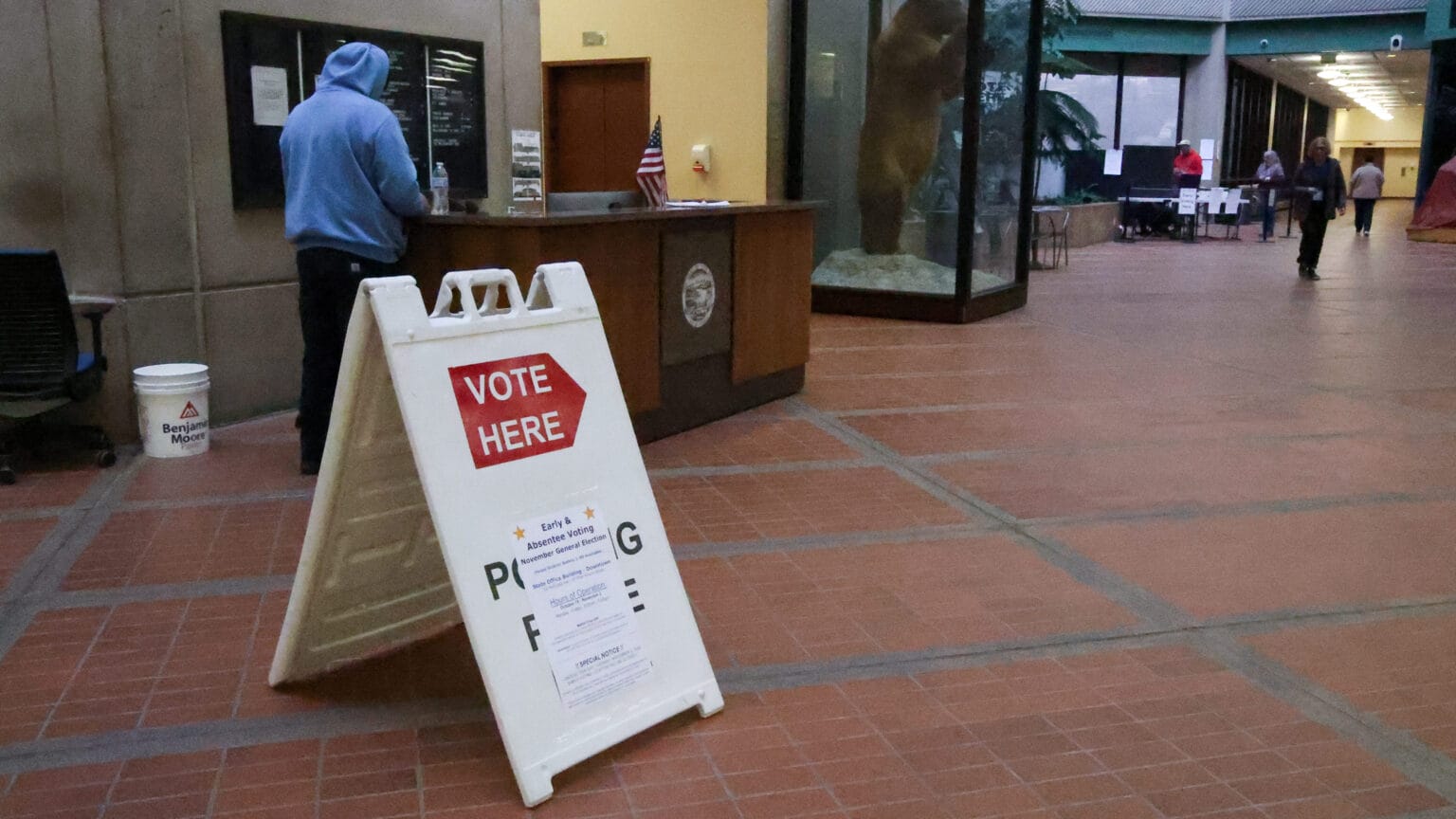
Election Day is Tuesday. Here’s where you can vote in Juneau. – KTOO
Alaska’s Juneau Votes in a Crucible of Change On Tuesday, November 2, 2026, voters in Juneau, Alaska, will...

Women’s Basketball opens with Mississippi State in Starkville – University of North Alabama Athletics
North Alabama Women’s Basketball Faces SEC Powerhouse Mississippi State in Starkville The University of North Alabama women’s basketball...
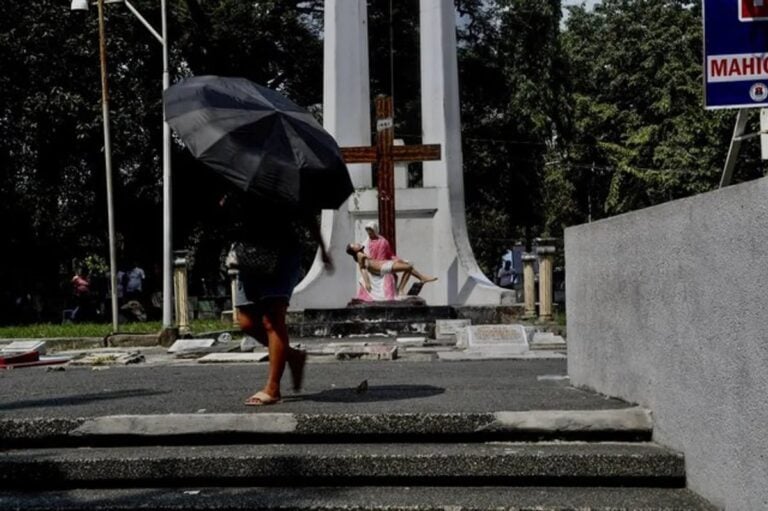
Amihan to bring rains over parts of Extreme Northern Luzon on Nov. 3
The Philippine Atmospheric, Geophysical and Astronomical Services Administration (PAGASA) reported that the northeast monsoon, or amihan, will bring...