
The federal emergency order keeping the J.H. Campbell coal-fired power plant in West Michigan operational is scheduled to expire this Saturday.
This marks another deadline in a recurring cycle of extensions that has kept the facility running well past its original retirement date.
According to reporting from Michigan Public, the Trump administration has issued several new orders to extend the life of the plant since May of last year. The plant was initially slated to close in 2025, but the Department of Energy has intervened repeatedly, citing a national energy emergency that prevents the facility from shutting down.
The decision has sparked a sharp divide between federal energy officials and local stakeholders. While the Department of Energy maintains that the nation cannot afford the closure, community advocates and state officials argue the “emergency” is a pretext to support the coal industry.
The financial implications of these extensions are reaching Michigan residents. In September, the Michigan Attorney General’s Office stated that keeping the J.H. Campbell plant online has already cost an additional $295 million. The state warned that these costs could eventually be passed directly to electric customers across Michigan.
For many families, these rising utility costs are becoming a central issue. Sergio Cira Reyes, a climate justice catalyst with Urban Core Collective, argued that the federal government’s stance is placing an undue burden on the public.
“Michigan families can’t afford to pay this added cost of this stubborn Department of Energy’s stance to essentially do a favor for the coal industry and order these different coal plants across the country to stay open,” Cira Reyes said. Cira Reyes
The debate also touches on the technical readiness of the regional grid. Cira Reyes noted that Consumers Energy, local energy regulators, and other community members had already developed a transition plan based on the plant’s 2025 closure. He emphasized that local, state, and regional experts had already conducted the necessary assessments to manage the transition.
The dispute has moved into the courtroom. A federal judge previously sided with local interests by vacating the Energy Department’s initial emergency order in September. However, that ruling is currently being appealed by the federal government.

The J.H. Campbell plant is not an isolated case. The Department of Energy has issued multiple emergency orders to keep various other coal plants operating across the United States. These orders are part of a broader federal strategy to maintain coal capacity, a move that continues to face intense scrutiny from environmental groups and state attorneys general.
The current legal standoff remains unresolved as the Saturday expiration approaches. Whether the administration will issue yet another extension or if the court’s previous guidance will hold remains the central question for Michigan’s energy future.
Related reading

Indotronix Seeks Remote Talent Acquisition Early Career Recruiter
Indotronix is recruiting a Talent Acquisition Specialist to manage early-career and college recruiting efforts for the Aerospace &...

Nebraska DC Rob Aurich Signs Two-Year Contract Extension
Nebraska defensive coordinator Rob Aurich has signed a two-year contract extension, ESPN reported Monday. The move comes as...

Thomas Massie Files Resolution to Impeach Pete Hegseth
The House of Representatives opened its session on Monday with a direct challenge to the Trump administration, as...
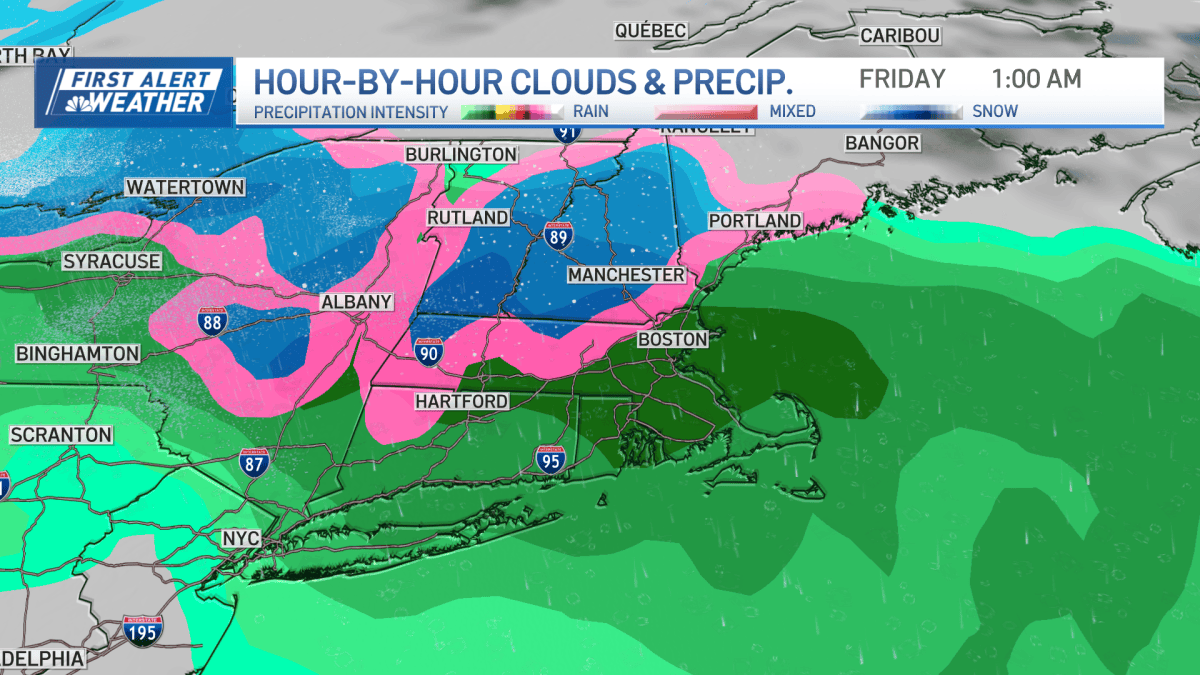
Developing Storm Could Bring Snow, Rain, or Wind to New England
A developing low-pressure system off the Mid-Atlantic coast could bring the season's first snowflakes to parts of the...