
Strict new biosecurity measures and a nationwide housing mandate have taken effect across England following an escalating number of highly pathogenic avian influenza confirmations in wild and captive birds.
UK Chief Veterinary Officer Christine Middlemiss ordered the mandatory poultry housing order to cover the whole of England starting at 00:01 on Friday, 13 November 2026.
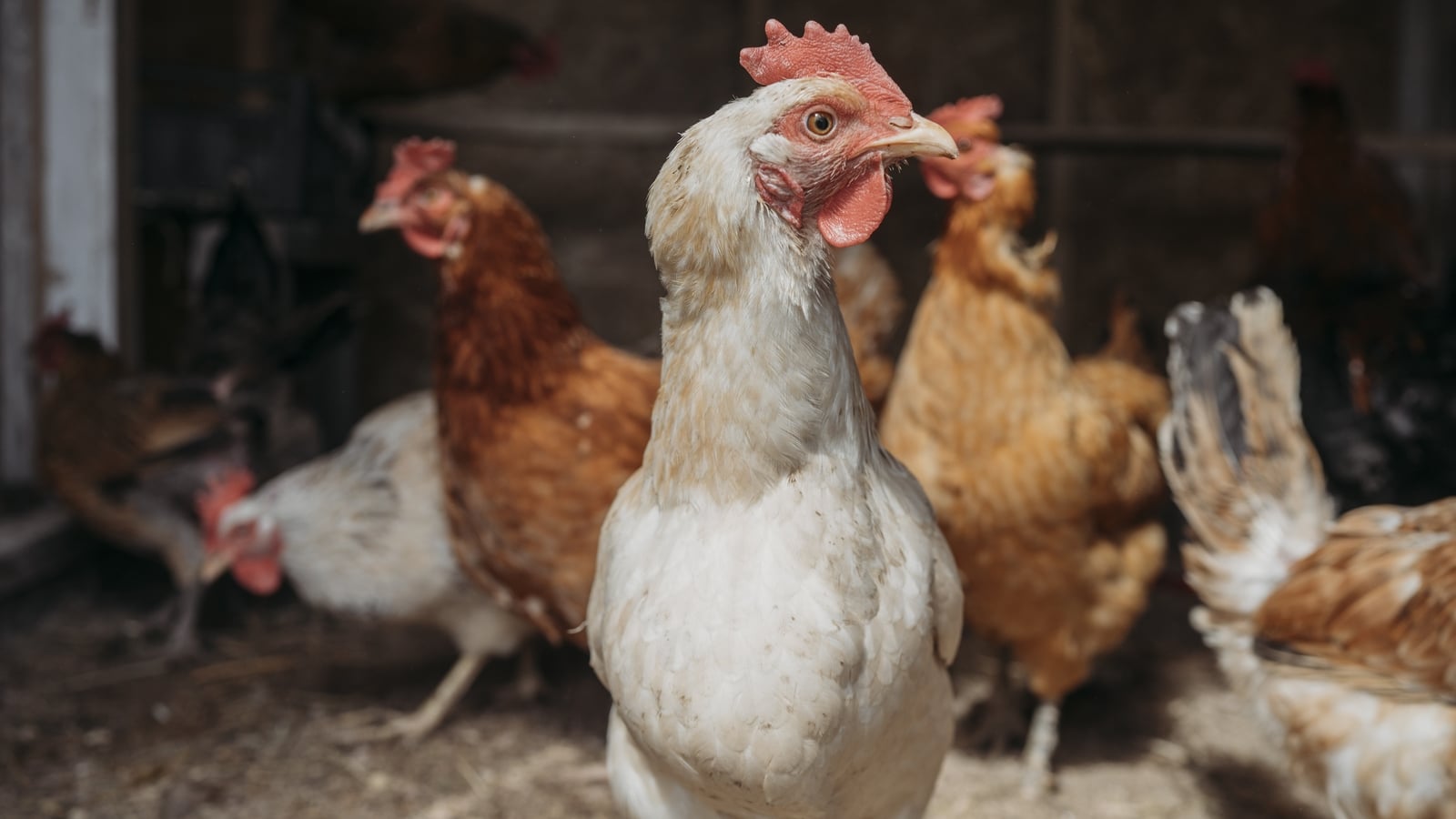
The restrictions require all bird keepers managing 50 or more birds, or those who sell and distribute eggs, poultry products, and live birds, to house their flocks indoors. Simultaneously, an Avian Influenza Prevention Zone (AIPZ) has been declared across the entire region, enforcing enhanced sanitation protocols and restricting visitor access to commercial and backyard operations alike.
Do you keep birds? A mandatory poultry housing order is now covering the whole of England because of an increased risk of avian flu. Read more 👉 https://t.co/cY8T7WVi6b pic.twitter.com/u2DxKkZMDC
Agricultural operators and animal sanctuaries are scrambling to adapt to the new legal requirements. Simon Small, who owns a turkey farm near Glastonbury in Somerset, said that while cases remain concentrated further east in counties like Lincolnshire and Norfolk, his farm has restricted visitors to safeguard flocks.
Wildlife charities are also transforming their facilities to comply with indoor separation mandates. Ferne Animal Sanctuary near Chard prepared dedicated indoor enclosures late last summer, substituting standard ponds with temporary paddling pools for their resident birds. Meanwhile, WWT Slimbridge suspended public bird feeding operations, shifting visitor engagement to observation monitors.
Despite the sweeping restrictions and the humane culling protocols enacted within active containment zones, regulatory agencies maintain that the broader food supply remains secure. The UK Health Security Agency and the Food Standards Agency stress that the public health risk is very low, confirming that properly cooked poultry and egg products remain safe for consumption.
Furthermore, agricultural officials note that the UK typically produces around 8 million turkeys annually, and current assessments do not anticipate an overall deficit in the availability of Christmas turkeys or other seasonal poultry.
Calling bird keepers! Please remain vigilant & where necessary improve your biosecurity to keep #birdflu out 👉Keep up to date with info on #AvianFlu: https://t.co/FFhG6sPDxf #birdflu 🔗More info: https://t.co/4GoIUKv7yK pic.twitter.com/bAf54CmN4E
An Avian Influenza Prevention Zone (AIPZ) is now in place across GB with mandatory housing measures in England for bird keepers who keep 50 or more birds or if they sell or give eggs, poultry products and live birds away. https://t.co/L3ewYWXkEE. pic.twitter.com/Holf2nPe0b
Related reading

Letterkenny Man to Face Trial on Five Alleged Drug Offences
A 25-year-old man from Letterkenny is set to face a jury trial following a series of drug-related charges...

How AI and Digital Integration Cut Cancer Patient Wait Times at Dharmais National Cancer Hospital
At the Dharmais National Cancer Hospital in Jakarta, the digital transformation of patient care is yielding a stark,...

CDC Data Shows Measles Infections Rising in US Pregnant Women and Newborns
Measles is sickening more pregnant women and their newborns in the United States, according to new data that...
Man in 20s Killed in Three-Vehicle Crash in Dunboyne, Co Meath
A man in his 20s died after a three-vehicle road crash near Dunboyne, Co Meath, on Monday afternoon....