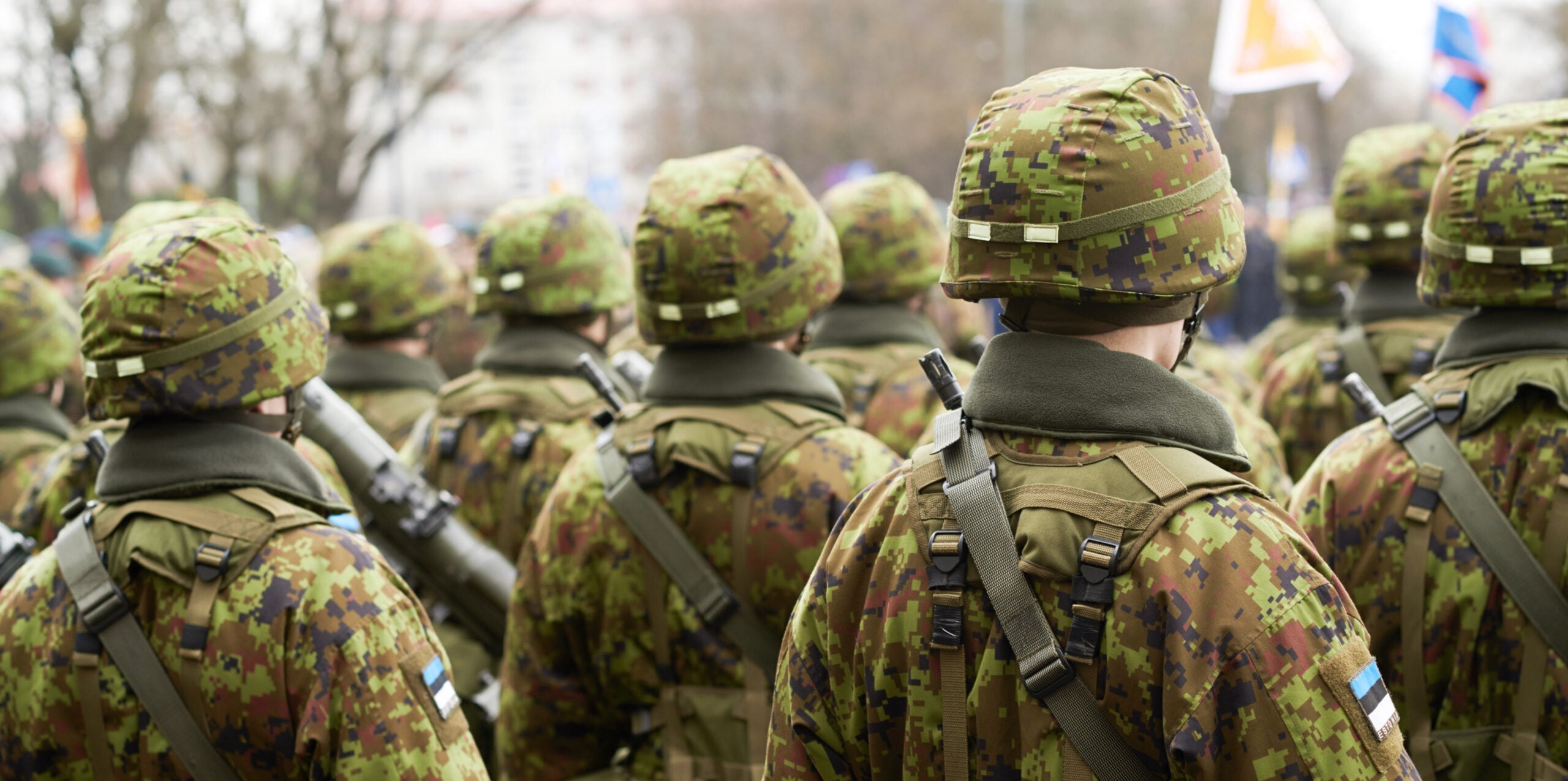
Estonia will spend 5.4 percent of its gross domestic product on defense, allocating €2.4 billion for 2026, as officials and analysts debate whether Russia could attempt a limited incursion into the Baltic region or trigger a conventional conflict.
On September 25, the Russian state news agency RIA Novosti published and subsequently deleted an article threatening Lithuania with a short military operation and a nuclear strike, and days later, Estonian authorities confirmed that an August arson attack on defense company Milrem Robotics was an act of sabotage directed by Russian intelligence services. Vladimir Putin also warned on October 1st that Russia would use its full arsenal if Kaliningrad faced an attack.
Estonia Boosts Military Budget To 5.4 Percent Of GDP
Merili Arjakas, a research fellow at the International Centre for Defence and Security and editor-in-chief of Diplomaatia, detailed the financial commitments behind the nation’s readiness.

Our defence budget for 2026 is 5.4% of GDP (€2.4billion), with major spending on ammunition, medium-range air defence, HIMARS, UAVs, anti-tank systems and territorial defence.
Merili Arjakas, research fellow at the International Centre for Defence and Security
Arjakas noted that Latvia, Lithuania, and Poland have made similar investments, while Finland maintains a model of military preparedness. At the same time, she identified alliance vulnerabilities in missile and air defense, logistics, and reinforcement capabilities during a full-scale invasion, observing that these challenges affect all NATO countries except the United States.
Experts Question Scenarios For A Limited Border Incursion
Security analysts have advanced contrasting theories regarding how Moscow might test NATO resolve. Under this projection, Moscow would frame the move as a defensive response to protect Russian citizens and warn NATO against intervening.
Arjakas argued that a small-scale provocation would be insufficient for Moscow’s aims, stating that any direct aggression would require going all-in rather than relying on a limited takeover. Colonel Andrus Kiviselg, head of Estonian military intelligence, similarly dismissed the likelihood of replicating the 2014 Crimea scenario, pointing out that the Baltic states lack a sufficiently large pro-Russian population to support such an operation. Colonel Kiviselg noted that while isolated incidents cannot be completely ruled out, their chances of success remain highly unlikely.

Tallinn Prepares Border Closures For Potential Russian Mobilization
Estonian Foreign Minister Margus Tsahkna announced that the national Security Council regularly models potential responses to a general mobilization in Russia. Prime Minister Kristen Michal confirmed that if a general mobilization is announced, Estonia will immediately close its border using pre-arranged Police and Border Guard procedures.
Intelligence assessments indicate that while the mobilization campaign initiated in Russia in 2022 has effectively continued without interruption, authorities currently see no signs of an imminent new mass call-up wave, as existing recruitment mechanisms continue to supply personnel.
Related reading
- Aid Groups: Israeli Restrictions and Funding Gaps Delay Gaza Shelter Aid
- Ethiopian Government Forces Regain Control of Mekelle from TPLF
- Caspian tragedy: 13 criminal cases opened in phase 1 of Defense Ministry audit (newsarchyuk.com)
- Australia and NZ Probe FlyDubai pilot, Saudi Arabia signs defense pact (archyde.com)
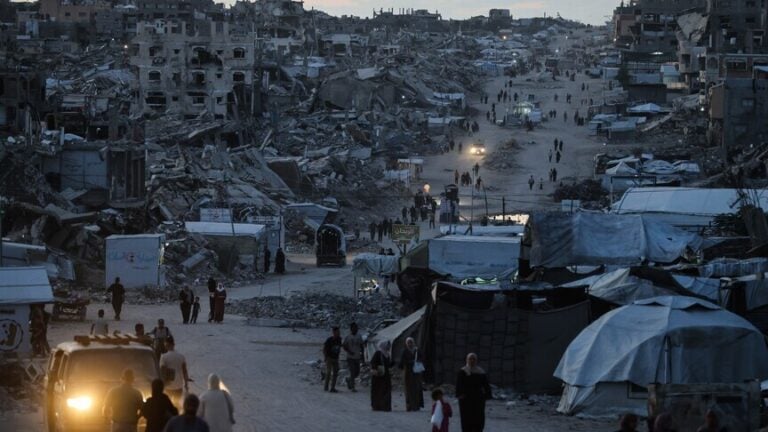
Aid Groups: Israeli Restrictions and Funding Gaps Delay Gaza Shelter Aid
As winter approaches, 1.65 million displaced Palestinians in Gaza face a fourth season in worn tents and damaged...
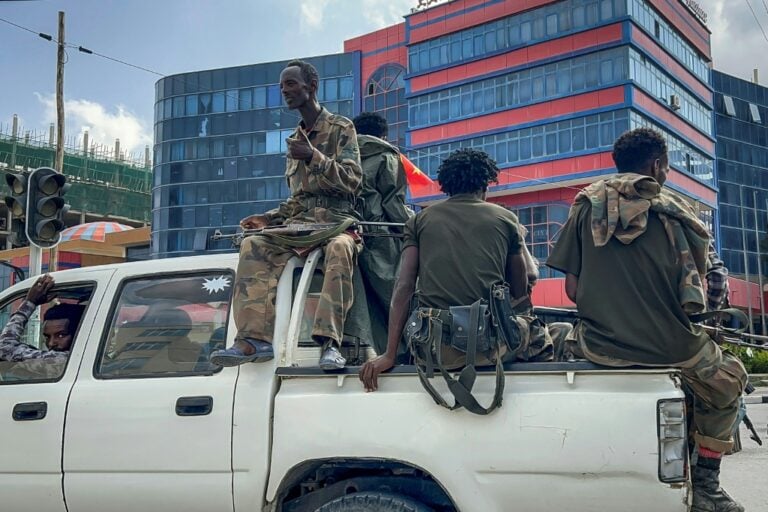
Ethiopian Government Forces Regain Control of Mekelle from TPLF
Pro-government forces regained control of Mekelle, the capital of Ethiopia’s Tigray region, on October 4, 2026, following a...

Lewis Hamilton Recalls Ferrari Tyre Debate After Bahrain GP in Malaysia
Lewis Hamilton secured a third-place finish at the Bahrain Grand Prix in Malaysia on October 4, 2026, after...

Global Probashi Pujos Plan Ambitious Durga Puja Events Despite Rising Costs
Global logistical cost pressures have not deterred Bengali associations in Dublin, Sweden, and New Jersey from organizing ambitious,...