
Three weeks after Lewis Hamilton, 41, said he could see himself racing into the 2030s and Rwanda’s first Grand Prix, Fernando Alonso and Sergio Perez shut that door for themselves.
Alonso, 45, declared he “will not be around for the new V8, 100%” and called the V6 hybrid turbo era from 2014 through the planned V8 return in 2030 or 2031 “16 or 17 years lost of pure racing,” The Race reported Thursday from Las Vegas.
Perez, 34, echoed the certainty. “You never know in Formula 1, but I’m really putting everything into these final three years of my period [with Cadillac] because I really want to put everything,” he said. “I think after this one [contract], I won’t have much energy left.” He described his 2021-24 stint at Red Bull as “very intense” and said of 2026: “I don’t remember a year that I’ve been so busy.”
Formula 1 also confirmed it will track drivers and show biometric data in TV broadcasts from 2027 through a partnership with Whoop. Max Verstappen ruled himself out: “I won’t be involved. I don’t use any device. Like, if drivers want to have that, sure. For me, it’s not something that I like. And also not what I want people to see or show. For me, it’s definitely a privacy thing.”
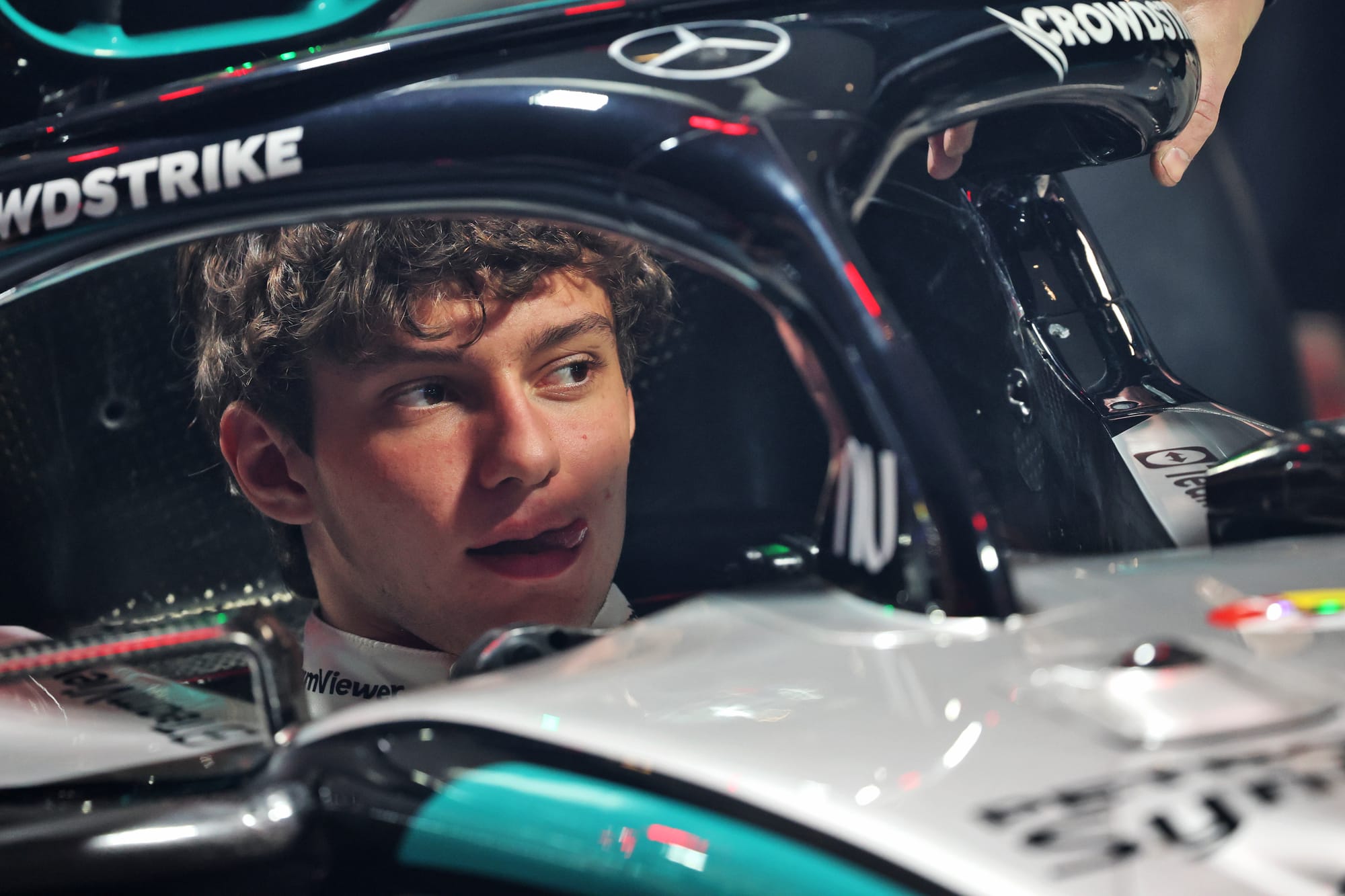
George Russell saw entertainment value but a comparison flaw. “As a neutral, if I was sat on the sofa, I think I’d really enjoy seeing it,” he said.
“You’ve got a 45-year-old, his heart rate is probably going to be quite a bit lower than an 18-year-old’s heart rate. When you’re sat on the grid, you’ll be saying Fernando Alonso’s ice-cool when the lights are going out because his heart rate is much lower. You put my dad in the car, who’s 72, his heart rate’s going to be even lower than Fernando’s. And even people of the same age have different heart rates as well. I don’t really know how it could be additive, if that makes sense. Because we’re all just so different.”
Whoop, founded in 2012 by Harvard student-athlete Will Ahmed, became the first wearable approved for Formula 1 biometric broadcasts under the new FIA partnership. Its screenless band, which requires a monthly subscription, measures strain, recovery, and sleep through five sensors collecting 100 MB of data per user daily.
Charles Leclerc, a Whoop ambassador who already wears one in his Ferrari, called the FIA-certified version a “good thing.”
Keep reading
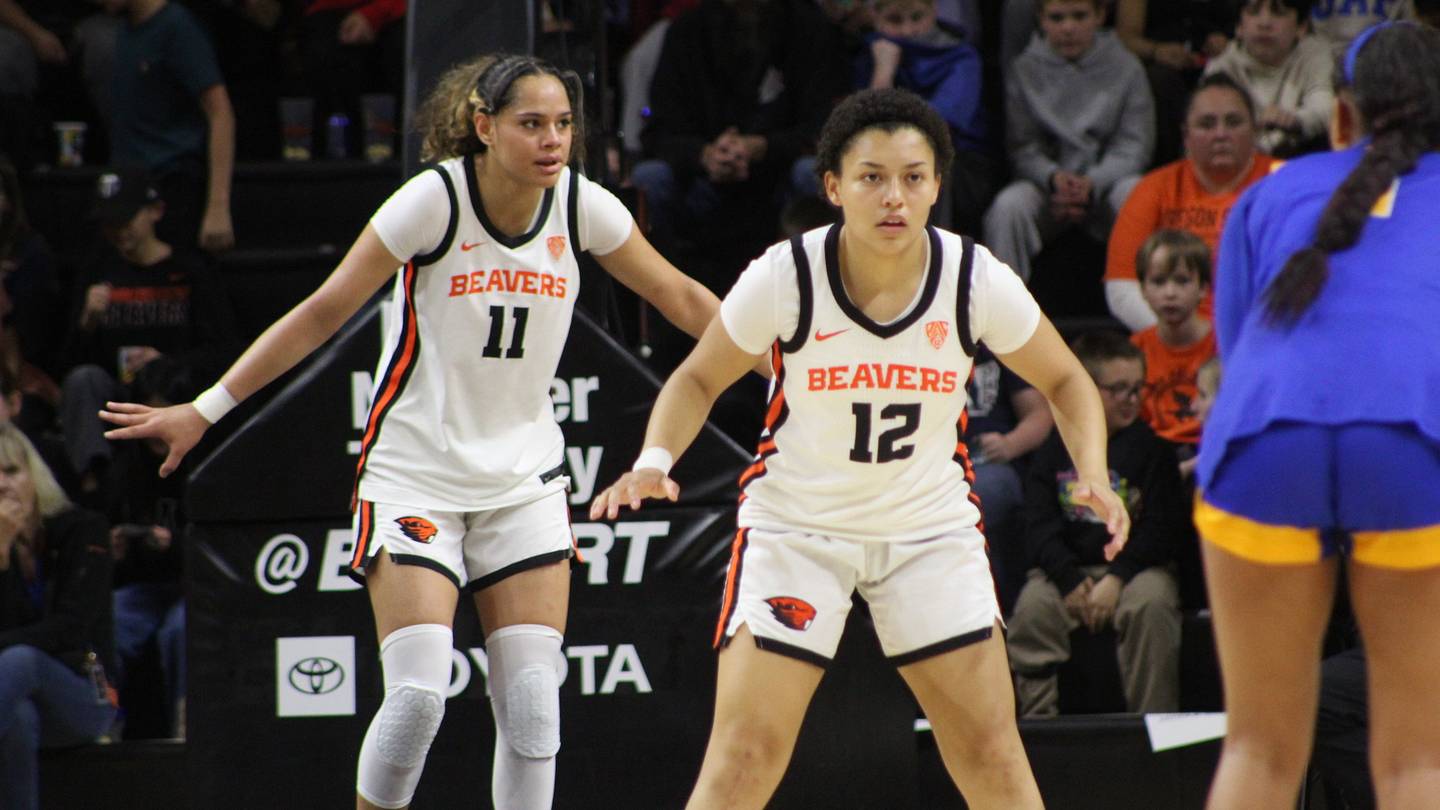
Oregon State Scrapes Past UC Riverside 64-57 at Gill Coliseum
Oregon State scraped past UC Riverside 64–57 on Wednesday afternoon at Gill Coliseum, leaving the Beavers 3–2 on...

Idaho Working Group Recommends Lottery, Loans, Asset Monetization for College Sports Funding
Idaho’s four public universities are staring down an $18 million hole at Boise State alone, and the governor’s...
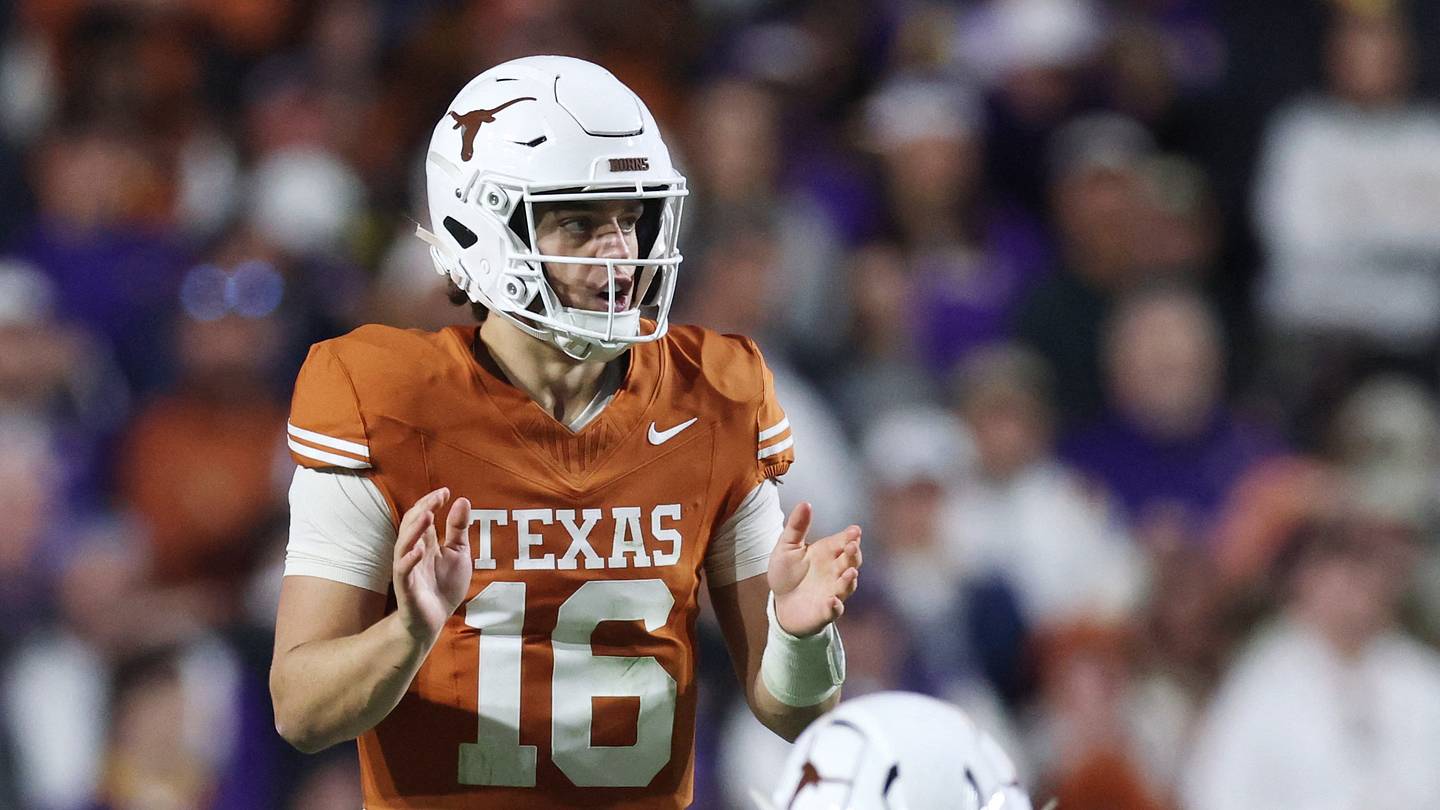
Arkansas DC Ron Roberts: Stopping Run Is ‘Surprisingly Simple’ Key to Slowing Arch Manning, No. 5 Texas
Arkansas defensive coordinator Ron Roberts has a surprisingly simple recipe for slowing down Arch Manning: stop the run...
Dorothy Louise Holston, 71, Atglen Educator and Valley Baptist Church Member, Dies November 12, 2026
"To be absent from the body is to be present with the Lord," the family of Dorothy Louise...