A Ten-Year Financial Blueprint on the Ballot
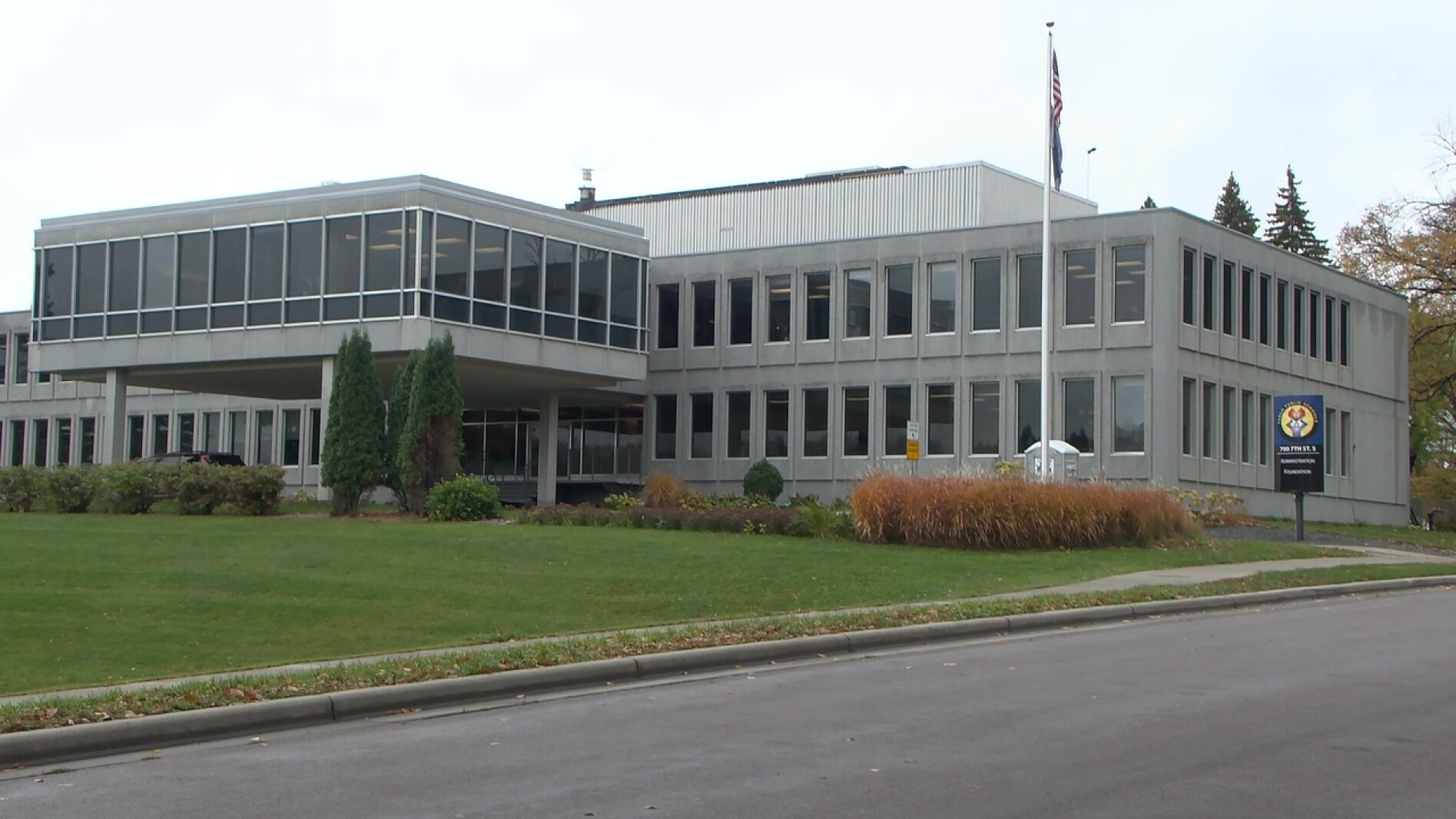
Voters in Fargo head to the polls on November 3, 2026, to decide a school referendum that could quietly lock in the district’s operational budget and programmatic scope for the next ten years.
The central question facing the community is straightforward: Should the Fargo Public School District maintain a general fund mill levy of 110 mills, effective December 31, 2027?
No Tax Increase, But High Stakes
Fargo Public Schools Superintendent Cory Steiner laid out the core pitch to residents ahead of the election. The district is not asking for an increase in tax collection, but rather a continuation of the funding levels taxpayers have carried over the past decade.
“Ultimately, being able to give our district an opportunity to start looking forward, great school districts are able to look forward, which means they are agile, nimble and can meet the needs of learners, families and communities in real time. This gives us that opportunity to start looking forward as a school district,” Steiner said.
The Mechanics of the 110-Mill Levy
The mechanics of the request trace back to 2017, when local voters approved an excess levy of 127 mills. Although that historical figure appears higher than the currently proposed 110 mills, structural shifts in property tax calculations mean both levies yield the exact same financial impact for property owners. For the owner of a home in Fargo valued at $300,000, the annual cost sits at $45.
A Radically Different Educational Landscape
Superintendent Steiner emphasized that the district utilizing these funds looks radically different today than it did nearly ten years ago. Programs and support networks have expanded to address shifting student demographics and modern educational demands.
“An example is we have 18 social workers in our school district. Those were positions that did not exist 10 years ago for the most part. We have other services we are providing learners and other programming and electives we are providing that we did not in 2018,” Steiner noted.
Fifteen Years of Imposed Cuts Without Passage
The financial stakes extend far beyond a single budget cycle. If the referendum is rejected by voters, district leadership confirms that operations will remain stable for the immediate upcoming school year, aided by a recent $5 million reduction in the budget. However, a defeat would force officials to slash up to $2.5 million annually for the next 15 years, as the property tax rate would remain frozen at the 2027–28 level.
Those long-term cuts would directly alter the student experience across Fargo’s public schools. Administrators project that class sizes would climb while elective courses, co-curricular activities, and extracurricular programs would face significant reductions.
The ballot measure requires a simple majority of 50 percent plus one vote to pass on Election Day.
More on Cory Steiner

Alaska Airlines Adds Nonstop Nashville to Anchorage Flight for Summer 2027
Alaska Airlines to Connect Nashville and Anchorage With New Nonstop Flight in Summer 2027 Nashville International Airport is...

Last-Minute Sioux Falls Halloween Costume Ideas Inspired by Local News and Pop Culture
Picking a timely and topical 2026 Halloween costume in Sioux Falls doesn't require breaking the bank or hunting...

SCDOT Fires Contractor After I-26 Lane Closure Delay
Safety Compliance Solutions LLC issued a formal apology to Lowcountry drivers and confirmed that personnel actions were taken...
Richmond McDonald’s Seeks License for 2 AM to 6 AM Food Service
When a local establishment looks to keep its doors open past the standard midnight hour, the decision rarely...