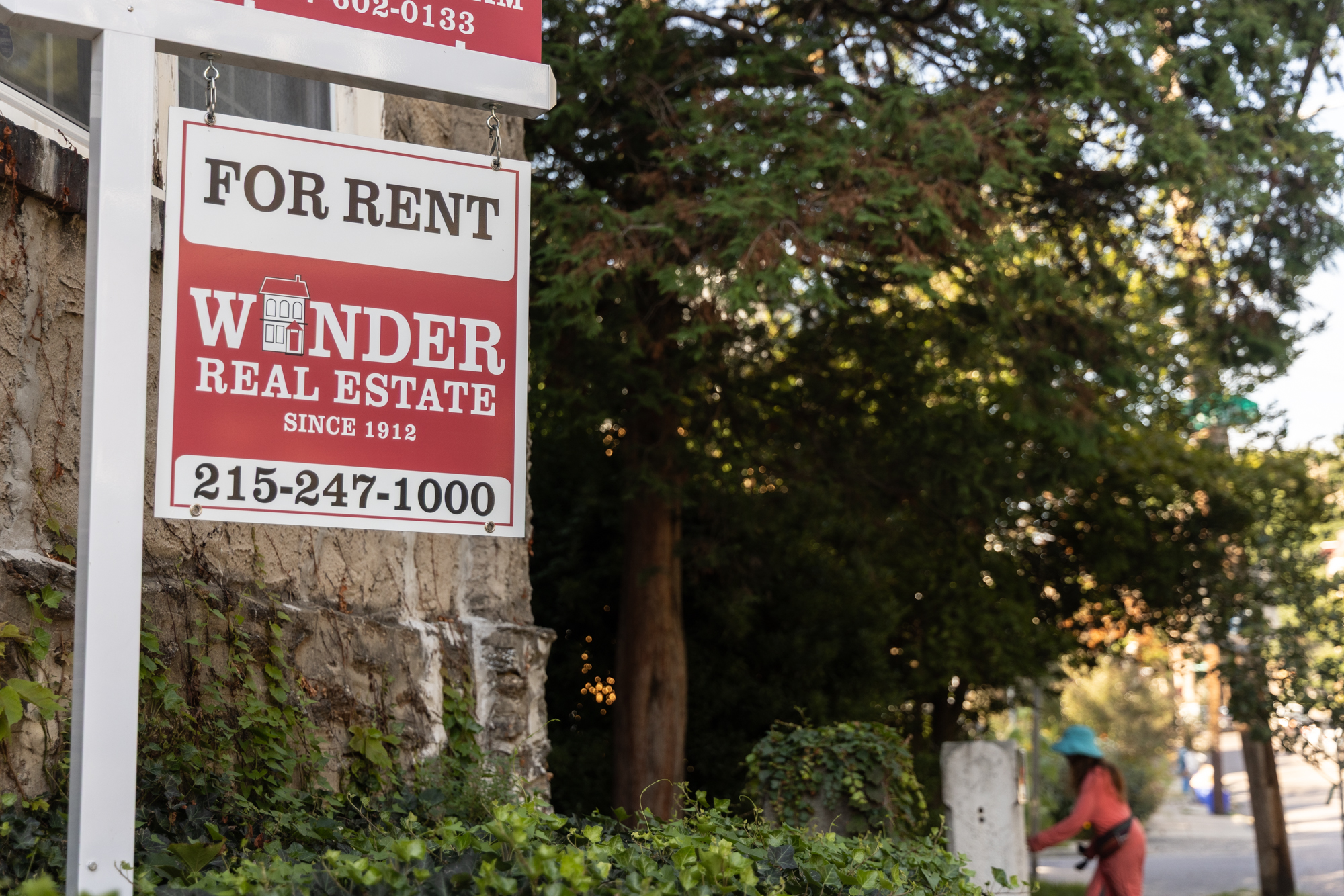
Philadelphia renters and landlords face new housing regulations this Sunday as a pair of city laws takes effect, changing lease renewals, tenant organizing, and the legal mechanics of rent collection across the city.
The changes arrive directly from the Safe Healthy Homes Act, a legislative package crafted in partnership with tenant organizers that has faced staunch opposition from independent landlords, who argue the legislation will harm their small businesses. Supporters are skeptical of those concerns, arguing the laws will empower renters to speak out about dangerous living conditions and hold negligent landlords accountable during an ongoing affordable housing crisis.
“These laws will not create a sea change overnight. But I believe Philadelphia will experience safer housing conditions, better landlord business practices, and stronger protections from retaliation or displacement if they are faithfully implemented,” City Councilmember Nicolas O’Rourke, who introduced the legislation, said in a statement.
Expanding “Good Cause” Lease Protections
The legislation fundamentally alters how residential leases end in Philadelphia by expanding “good cause” protections to all renters regardless of lease terms. Previously, the requirement that landlords state a legitimate, legally defined reason in writing to terminate or not renew a lease applied exclusively to month-to-month agreements and leases running for less than a year.

Housing advocates point out that the prior exemption created a loophole allowing property owners to effectively evict tenants with longer leases without justification or advance notice. Legal experts note this silence made it difficult for renters to challenge decisions suspected of being retaliatory.
“It’s not necessarily a hard and fast rule, but it makes it really hard to challenge it when you’re kind of fighting against silence,” said Madison Gray, a staff attorney with the Public Interest Law Center, in February.
New Rules Protect Tenants Who Organize or Whistleblow
Beyond lease terminations, the new rules explicitly bar landlords from ending or modifying agreements simply because a tenant cooperates with a city investigation, discusses living conditions with a council member or reporter, or joins a tenant association.
While tenants previously held the legal right to organize, that protection was missing from explicit statutory language. Advocates expect the change will encourage renters to form new associations and build collective political capital.

“We’re not asking for luxury. We’re asking that if we get a leak in our kitchen, you come fix it,” said Theresa Howell, an organizer with OnePA Renters United, in September.
The legislation also clarifies that tenants retain the right to sue for back rent if landlords collect payments while lacking an active rental license or a certificate of rental suitability. However, landlords are shielded from penalties if missing documents stem from administrative delays at the Department of Licenses and Inspections.
Independent Landlords Warn of Financial Strain
Property owners continue to push back against the timeline, warning that the new rules make removing problem tenants cost-prohibitive and expose small operators to severe financial risk.
“I could run into the wrong tenant with this legislation, not be able to make my mortgage on my properties and end up in foreclosure,” said Seth Floyd, an independent landlord.
With Sunday’s implementation date approaching, Councilmember O’Rourke stated his immediate focus is ensuring that administrative execution matches the policy’s intent.
Related reading

Policy vs. Character: The Dilemma for the American Voter
The tension between a leader's policy achievements and their personal character creates a fundamental dilemma for the American...

Ryan Winterton works with Kraken staff on physical overhaul
Ryan Winterton is transforming his game through a rigorous, multi-year physical overhaul focused on strength, puck protection, and...

Hamilton Zanze Sells Indigo 19 Multifamily Community in Virginia Beach
San Francisco-based multifamily real estate investment firm Hamilton Zanze announced on October 20, 2026, that it has sold...

Jon Husted and Sherrod Brown tied in Ohio Senate tossup polls
Jon Husted is currently locked in a statistical dead heat with Democrat Sherrod Brown for Ohio's U.S. Senate...