
Female-headed households in South Africa are better protected from food insecurity than male-headed ones, a new study found, revealing a paradox where women’s resource management skills outperform structural disadvantages.
Published on November 25, 2026, in the journal Frontiers in Nutrition, the research analyzed data from 60,816 households across three years. Female-headed homes had higher rates of food insecurity on the surface but showed a lower adjusted odds of deprivation once controlling for factors like income and dependents.
- A study of 60,816 South African households finds that female headship protects against food insecurity.
- Female-headed households had lower food insecurity (16.2%) than male-headed ones (17.6%) in the absence of grants.
- Each employed household member reduces the odds of food insecurity by nearly half.
The study resolved a long-standing demographic paradox. Female-headed households faced greater socioeconomic challenges. They had larger families, lower incomes, and higher reliance on social grants. Yet, they demonstrated more efficient budgeting strategies. This “protective association” suggests women manage constrained resources more effectively, even while facing heavy caregiving burdens and labor market inequities.
“The observable divergence between raw descriptive prevalence and adjusted regression parameters helps resolve an enduring demographic paradox,” the researchers wrote in the report covered by Bioengineer.org.
South Africa’s social safety net, one of the most comprehensive in the developing world, plays a complex role. While grants successfully target the most vulnerable, they do not eliminate food insecurity on their own.
The study, also reported by Frontiers in Nutrition, found that the amount of a grant received was positively associated with food insecurity. This is not because the grants are harmful, but because the welfare system channels more money to the poorest households, reflecting a “pro-poor targeting endogeneity.”
When female heads receive grants, the protective benefit they provide is partially reduced. The interaction between female headship and grant receipt showed an odds ratio of 1.181, indicating that the compounded disadvantages faced by these families can dilute their typical resource-management efficiencies.
The study pooled data from three consecutive waves of South Africa’s General Household Survey, conducted from 2022 to 2024, to create a sample of 60,816 households across all nine provinces. The researchers, from institutions in Nigeria and South Africa, harmonized the records to ensure analytical rigor, using a two-stage stratified sampling protocol and standardized survey weights.
Food insecurity worsened over the study period, with an odds ratio of 1.126 for food insecurity and 1.055 for adult hunger, though child hunger did not significantly increase. The authors found that the proportional odds assumption was violated in their models, indicating a need for more nuanced analysis of the data.
Across all models, formal labor market participation emerged as the single most powerful protective factor against food deprivation. Each additional employed household member reduced the odds of food insecurity by nearly half, with an odds ratio of 0.536. This highlights the critical need for interventions that focus on creating sustainable livelihoods beyond basic welfare support.
“Social grants effectively reach vulnerable South African households but are insufficient to overcome structural food insecurity without complementary livelihood interventions,” the study concluded.
The research team recommended that policymakers bundle cash transfers with structural interventions like vocational skills training, subsidized childcare, and agricultural extension services to build permanent household resilience.
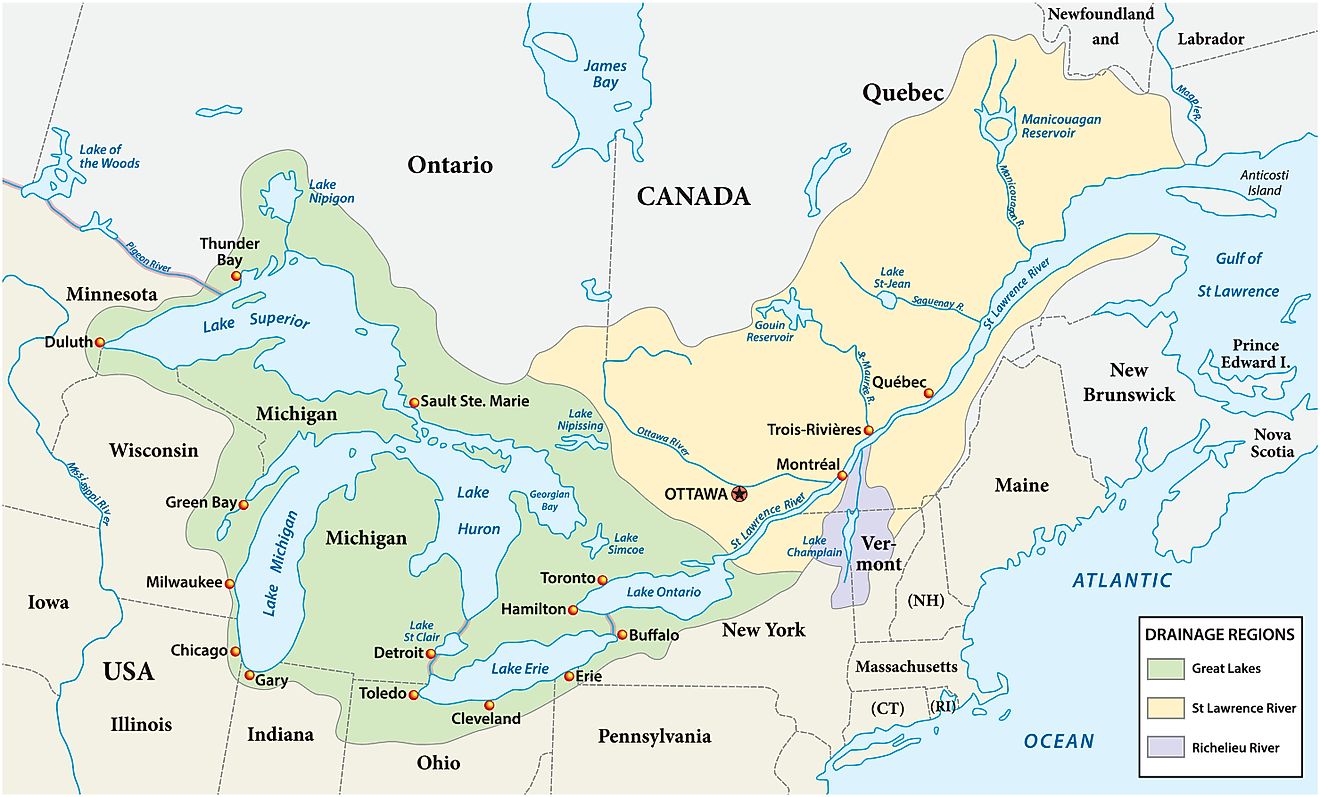
A 15-Foot Divide and a Supreme Court Decree: How the Great Lakes Do Not Drain South
The Great Lakes do not drain into the Mississippi River because of a continental divide that is just...

Aubameyang Names Pedri as Barcelona Standout Ahead of Deportivo Reunion
Deportivo La Coruña striker Pierre-Emerick Aubameyang named Pedri as the Barcelona player who impresses him most ahead of...
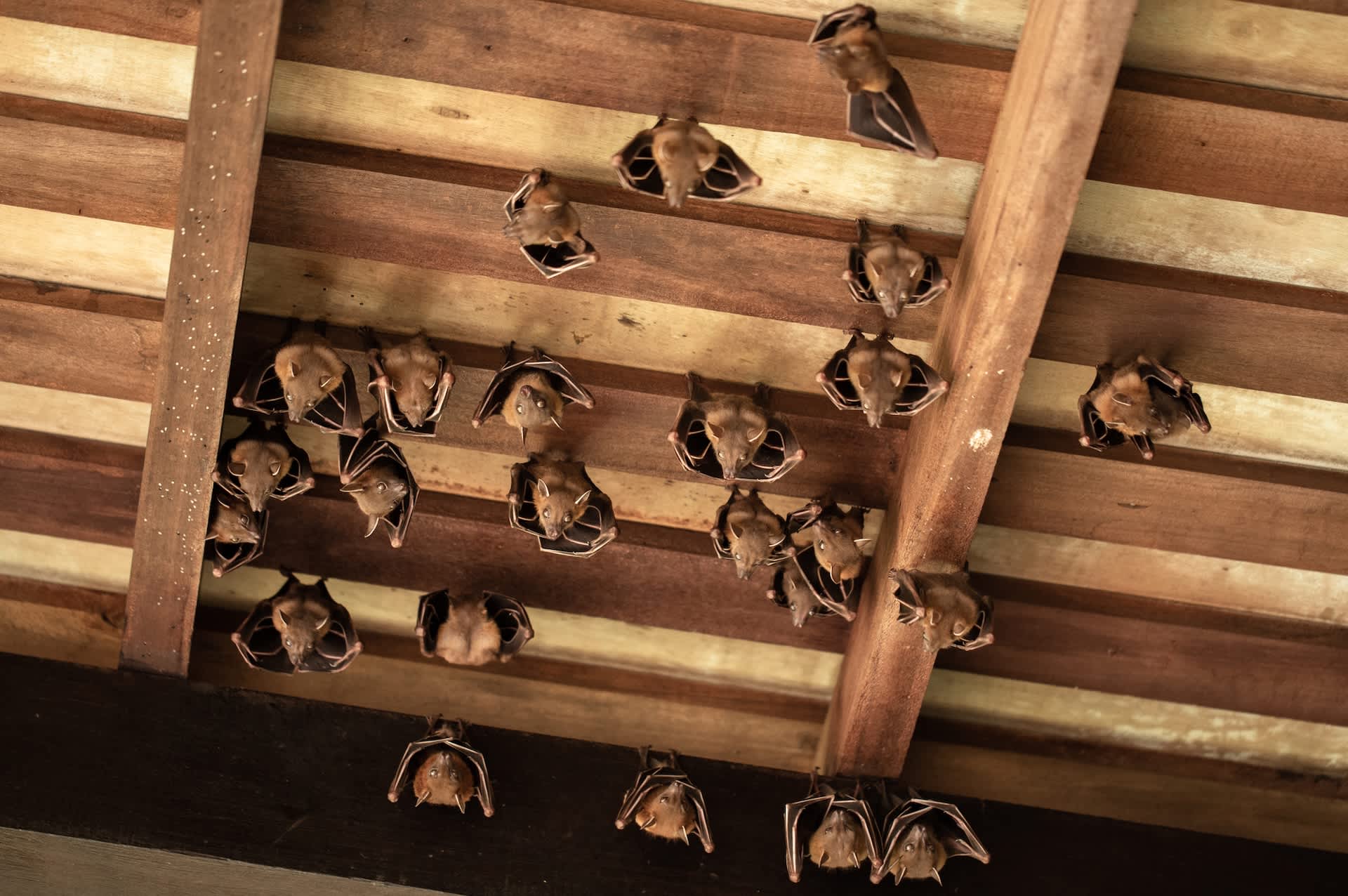
Bats Are Prompting a Surge in Rabies Testing in Vermont
Bats are prompting a surge in rabies testing in Vermont. The Vermont Department of Health and the state's...

USS Yorktown Stayed in Charleston Harbor Mud Since 1975 Officials Say
The USS Yorktown has not truly floated since 1975, wedged more than 25 feet into Charleston Harbor pluff...