Researchers at Empa have developed a “living” hydrogel patch that combines bacteriophages and probiotic lactobacilli to treat wounds infected with antibiotic-resistant Pseudomonas aeruginosa.
In laboratory cultures and an ex vivo human skin model, the dual therapy destroyed the pathogen within 24 hours, completely prevented biofilm formation and significantly reduced established biofilms, Empa announced on November 26. The patch uses two biocompatible hydrogels applied in the precise shape of the wound. The structure is designed to be degraded by P. aeruginosa itself, releasing the therapeutic microbes only when the pathogen is present.
“With this on-demand solution, the antimicrobial therapy is only activated when pathogenic germs are present in the wound,” said Qun Ren, a researcher at Empa’s Biointerfaces laboratory in St. Gallen.
“The specific phages attack their host pathogens quickly and destroy multi-resistant germs without harming the beneficial bacterial flora in the area,” Ren told News-Medical. “The probiotic lactobacilli, on the other hand, exhibit their antimicrobial effect somewhat later, but additionally promote wound healing by supporting tissue regeneration.”
Around a century ago, researchers first attempted to use bacteriophages as “bacteria hunters” against infections, according to Empa. With the discovery of antibiotics, this approach faded into the background in Western countries.
Alexander Fleming warned in his 1945 Nobel Prize lecture that bacteria could develop resistance to antibiotics, a prediction that has since driven renewed interest in phage-based treatments.
Scientists have developed a technique called Phage Tn-seq that combines transposon insertions with DNA sequencing to pinpoint where mutations occur and how they affect the phage, according to The Conversation. The method exploits anti-CRISPR proteins carried on transposons to overcome bacterial defences, bypassing the need for antibiotic resistance markers that do not work with viruses.
Empa, the Swiss Federal Laboratories for Materials Science and Technology, is an interdisciplinary research institute within the ETH Domain focused on application-oriented materials science and technology for a sustainable future. Its research priorities include health and performance, where the Biointerfaces laboratory in St. Gallen develops advanced wound-healing solutions such as the living hydrogel patch combining bacteriophages and probiotic lactobacilli against antibiotic-resistant Pseudomonas aeruginosa, announced November 26.
A companion study by Empa and the University of Copenhagen, published in npj Antimicrobials and Resistance, identified a mechanism by which lactobacilli disrupt P. aeruginosa biofilms by interfering with flagella formation and altering bacterial surface structure, reinforcing Empa’s role in antimicrobial materials research.
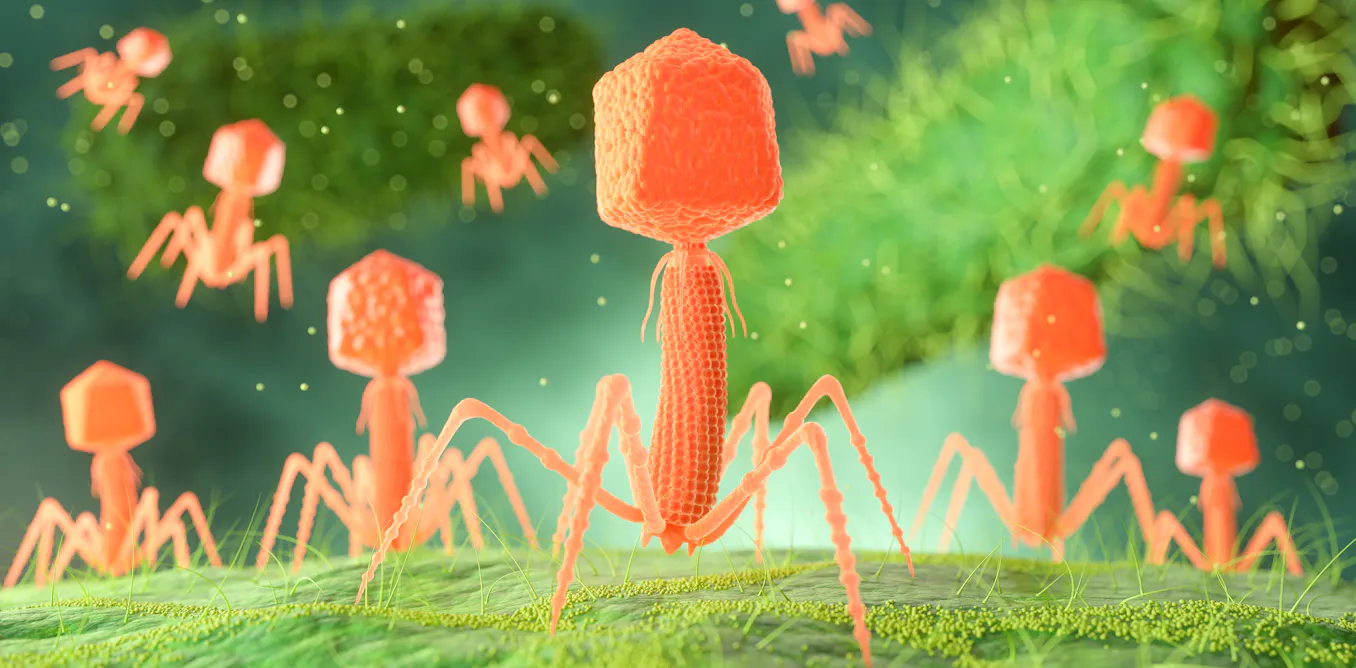
The phages act first, targeting resistant bacteria while sparing commensal microbes. The lactobacilli follow, producing antimicrobial effects and aiding tissue repair. A companion study by Empa and the University of Copenhagen, published in npj Antimicrobials and Resistance, identified a mechanism by which lactobacilli disrupt P. aeruginosa biofilms: they interfere with flagella formation — used by the pathogen for locomotion — and alter the bacterial surface structure.
“These laboratory results are promising,” Ren said. “Further analyses must now follow.”
The combination of carrier materials and embedded antimicrobial organisms can be expanded for other applications against antibiotic resistance, the researchers said.
Related reading

Toronto Musician Michael Eckert Killed in Casa Loma Home Invasion, Mourned by Blue Rodeo
“He was an absolute wizard on his instrument, deeply accomplished and fearlessly adventurous,” Blue Rodeo said in a...

Anthropic Lets Claude Users Turn Artifacts Into Desktop Apps
Anthropic rolled out a beta feature on November 24 that lets Claude users turn AI-generated artifacts into installable...

Woman, 49, Temporarily Paralysed After Drinking Eight Cups of Tea, Tells the Sun
In a column for The Sun, Heidi Ellert-McDermott describes how a July weekend with her family in Gloucestershire...

Albanese Leadership Faces Questions as Labor Enters Election Mode
Anthony Albanese faces mounting questions about his leadership as Labor enters election mode halfway through the parliamentary term,...