
The Legacy of a Name
A person dies for the first time when their final breath leaves their body, but a second death occurs when the last person speaks their name. This haunting concept, drawn from the writing of Lisa Wingate, served as the centerpiece for a profound reflection shared by Sr. Janet M. Peterworth on All Souls Day, November 2, 2026, as reported by the Ursuline Sisters of Louisville.
For the members of this religious community, the act of naming is not merely a ritual; it is a refusal to let history fade. During morning and evening prayers, the congregation explicitly calls out the names and dates of deceased members and associates. This practice creates a living link to the past, stretching back to the women who arrived on a ship from Germany in 1858. By speaking these names, the community ensures that these foundational figures do not experience that metaphorical second death.
The practice touches on a universal human impulse to preserve identity through memory. Whether it is a religious congregation reciting names in prayer or a parent pointing to a photograph to tell a child, “That is Grandma Betty,” the mechanism is the same. The name acts as a bridge, preventing the total erasure of a life.
The Weight of Grief and the Presence of Loss
While the act of naming provides a sense of continuity, it does not shield individuals from the visceral reality of loss. Sr. Peterworth noted that while anticipatory grief exists, the “real” grief begins when the physical presence of a loved one is gone. She described the specific, heavy moment of transition—the visible relaxation of the body and the sudden, unmistakable stillness that signals life has departed.
This experience often leaves those left behind in a state of emotional suspension. Drawing on the insights of Mark Nepo, the reflection suggested that grief can leave people “straddling for a time between life and death.” This period is marked by a profound tension: the desire to follow the deceased into the unknown and the biological, earthly necessity of remaining behind.
“The more we love, the more the loss will hurt.”
This sentiment, echoed through the lens of Simon & Garfunkel’s “I Am a Rock,” highlights the inescapable connection between deep affection and deep sorrow. The reflection further connected this human vulnerability to the Christian tradition, noting that even Jesus experienced this weight, weeping openly at the tomb of his cousin, Lazarus, a moment that served as a testament to his capacity for love.
Finding Peace in the Vibration of Existence
The transition from acute grief to a state of remembrance is rarely linear. It is a process of moving from the sharp pain of absence to a quiet recognition of what once was. Sr. Peterworth concluded her reflection by leaning on the poetry of Maya Angelou to describe this eventual stabilization of the soul.
According to Angelou, when “great souls die,” there is a period of irregularity where peace eventually begins to bloom. The void left by a person does not simply disappear; instead, it fills with a “soothing electric vibration” that restores the senses of those left behind. This perspective shifts the focus from the tragedy of the end to the significance of the existence. The ultimate consolation lies in the simple, undeniable truth that these individuals existed, and their existence provides a foundation upon which others can “be and be better.”
For the Ursuline Sisters of Louisville, the ritual of naming remains a daily commitment to this truth—a way to ensure that the voices of the past continue to resonate in the present.
Keep reading
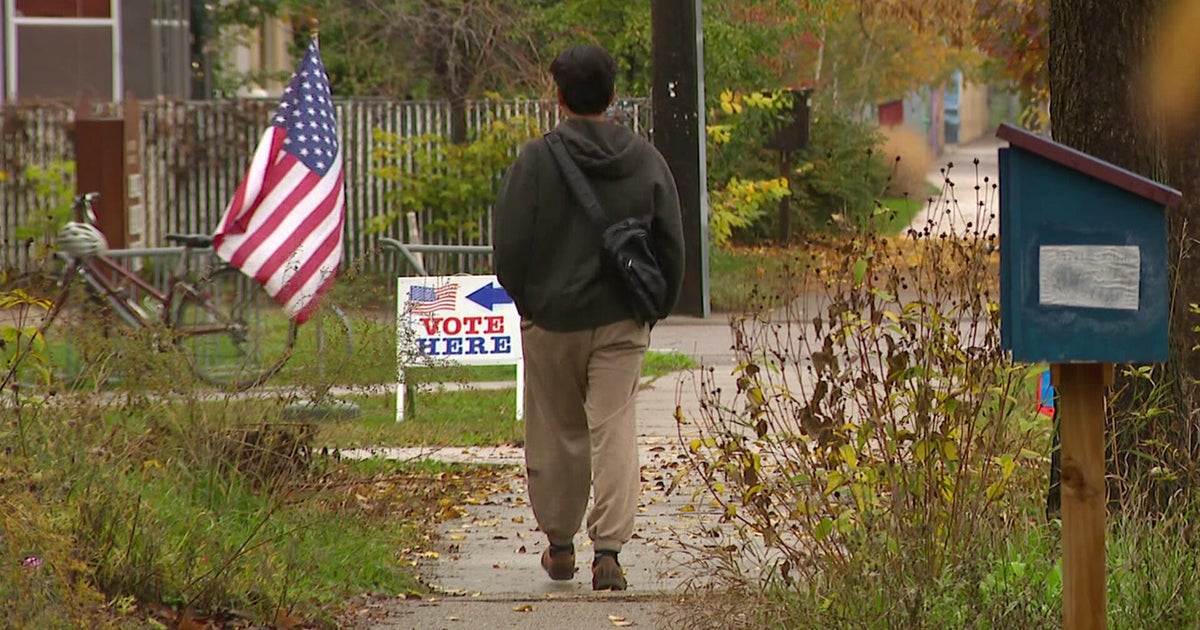
Minnesota Immigrant Voters Turn Out in High Numbers to Protect Communities
Minneapolis immigrant communities turn out to vote following immigration enforcement surge Immigrant voters in Minneapolis are heading to...

Central Catholic Secures Top Seed in Tournament Bracket
Central Catholic and Brookline lead the MIAA Division 1 Volleyball seeds Central Catholic enters the 2026 MIAA Fall...

How to Dissolve an LLC or Corporation in Louisiana
To dissolve an LLC or corporation in Louisiana, owners must follow specific statutory procedures that include formal approval,...

Kansas 2026 Midterm Elections: Key Races, Local Issues, and Voting Guide
Kansas voters weigh gubernatorial race and local bond issues on Election Day “In ’24, for the first time...