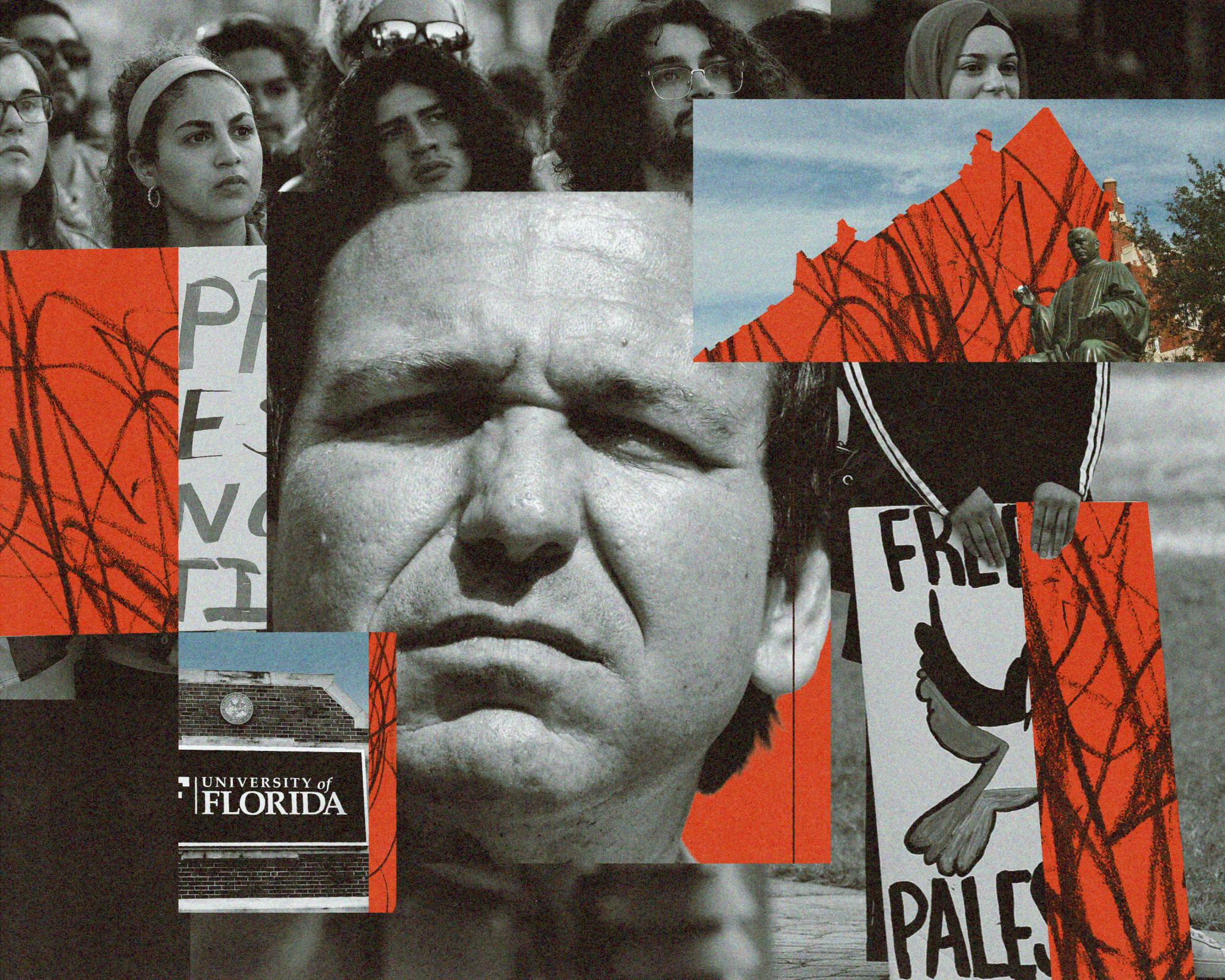
Florida designated the Council on American-Islamic Relations and its state chapter as domestic terrorist organizations on 5 November, effectively forcing the nation’s largest Muslim civil rights group to shut down operations across the state.
The move, executed under a law Governor Ron DeSantis approved in July, grants five state officials the power to designate groups as “domestic terrorist” organizations. Once the designation goes into effect, as it did on 5 November for Cair and its Florida chapter, it can trigger debilitating penalties for the group and its supporters under state law. The threat of these punishments effectively forces designated groups to shut down, said Cair.
In turn, the group has sued Florida officials, including DeSantis, in federal court with the help of the American Civil Liberties Union, alleging violations of free speech and due process. Cair-Florida’s website homepage is now pitch black, except for a note stating that staff has suspended operations because of the “baseless and unconstitutional enforcement” of Florida’s law.
“For the first time in over 20 years, Florida Muslims cannot call their community’s leading civil rights organization for help if they experience a hate crime at their mosque, illegal discrimination in the workplace, violent bullying in school, or any other acts of bigotry,” said Edward Ahmed Mitchell, national deputy director at Cair, in a press release.
The shutdown has already affected Muslims in the community, as Cair-Florida can no longer provide pro bono legal services for discrimination and immigration cases, leaving local attorneys scrambling to pick up the pieces.
Omar Soboh, a student at the University of Florida, was organizing a campus panel about Islamophobia when he found out one of the groups being represented had suddenly been blacklisted by the state. The university’s Arab Students’ Association decided to cancel the event, and Soboh, who is Palestinian American, was disheartened. “Our existence itself is political,” he said.
CAIR and ACLU sue DeSantis over free speech and due process
CAIR and the ACLU sued DeSantis and other state officials in federal court, alleging violations of free speech and due process. The group has sued Florida officials, including DeSantis, in federal court with the help of the American Civil Liberties Union, alleging violations of free speech and due process.
State officials argue in court filings that CAIR and its Florida chapter have been operating as a front for Hamas and the Muslim Brotherhood, “all while masquerading as run-of-the-mill civil rights organizations.” CAIR denies these claims and has never been charged with or convicted of any crime.
The group has been outspoken against extremist violence by groups like the Islamic State. Instead, Cair says, Florida is using the new law to “punish their perceived political enemies” and that the organization is being targeted for its religious missions and advocacy.
“Florida’s new law has profoundly disturbing parallels to authoritarian states, in which political leaders silence and punish dissent without due process,” said Hiba Rahim, executive director of CAIR-Florida, before the shutdown went into effect. “Governor DeSantis and other…”
“This sends a message to the Muslim American community, as a whole, that this organization, which has defended your civil rights, is no longer able to do that.”
Shirin Sinnar, a law professor at Stanford University who co-authored an amicus brief for Cair
Aside from Cair, Florida also applied the domestic terrorist designation to the Muslim Brotherhood and “antifa” – a vague umbrella term for far-left-leaning and anarchist anti-fascist groups and individuals. Cair-Florida, which employed about 12 staff members and eight contractors, has fought for prisoners’ access to halal meals and pro-Palestinian students’ right to protest. Cair’s national division took Muslim Americans’ grievances about federal “no-fly lists” to the supreme court – and won.
A chilling effect on mosques and legal aid
Abdullah Sheikh, a community activist, said he has spoken with board members at more than a dozen mosques across central Florida who are now wary of programming beyond prayers that could be perceived as political. “The mosques now are scared of their own shadow,” he said. Some leaders fear the state will “look for any excuse” to revoke their nonprofit status.
Jalal Shehadeh, a Miami attorney and civil rights advocate, said individual lawyers are trying to fill the gap but cannot replicate CAIR’s capacity. “They’ve said CAIR is no longer allowed to have a voice. The Muslims are not allowed to have a civil rights organization,” he said. Shehadeh said he worries about how the new law may be used in the future to target o
Salma Khan, a Fort Lauderdale resident who turned to CAIR-Florida three years ago after a video of her being verbally harassed went viral, said the group provided attorneys and advocacy staff who raised awareness of her case. Learning of the designation, she asked: “Who else is going to be labeled that? What will happen to our community?”
Contrast with Texas and the electoral path
Governor Greg Abbott issued a proclamation last year declaring Cair a terrorist organization, and attorney general Ken Paxton sued Cair in an attempt to shut down the organization.
Civil rights advocates argue that electing progressive and Muslim lawmakers at the state level can help fight back against Republican-led legislatures and governors enforcing terrorism laws. In January, El-Sayed will become the first Muslim US senator, joining a record-breaking seven newly elected Muslims in Congress. Both Abbott and Paxton lost their seats to Democrats.
In Florida, Republicans control both legislative chambers and the governor’s office, leaving no immediate electoral mechanism for repeal. “The legislature has zero incentive to do anything at this point,” Sheikh said. He called Florida a “cautionary tale for other states” to block such measures before they become law.
CAIR-Florida suspends operations, staff member worries about future
CAIR-Florida’s website homepage is now pitch black, except for a note stating that staff has suspended operations because of the “baseless and unconstitutional enforcement” of Florida’s law. But he’s worried about the void left by Cair’s absence, and even his own career path.
He dreams of attending law school and working at a civil rights non-profit; he interned at Cair-Florida this summer. “I just want to protect my community and people,” he said.
Worth a look

Army Corps Begins Detroit Reservoir Step-Down Drawdown to 1,425 Feet for Endangered Fish Passage
The U.S. Army Corps of Engineers will drop Detroit Reservoir to 1,425 feet later this month, the first...
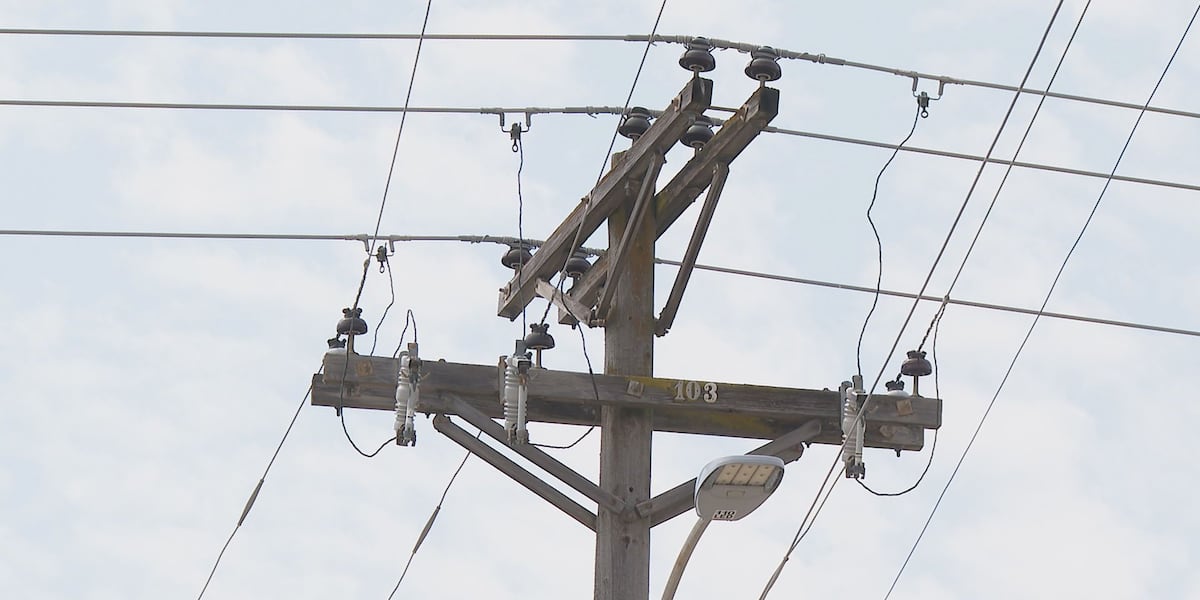
Kentucky Utilities Says Grid Faces No Threat as 90-Day Blackout Posts Spread Online
Social media posts warning of a 90-day nationwide blackout collided with reality when Kentucky Utilities stated its grid...
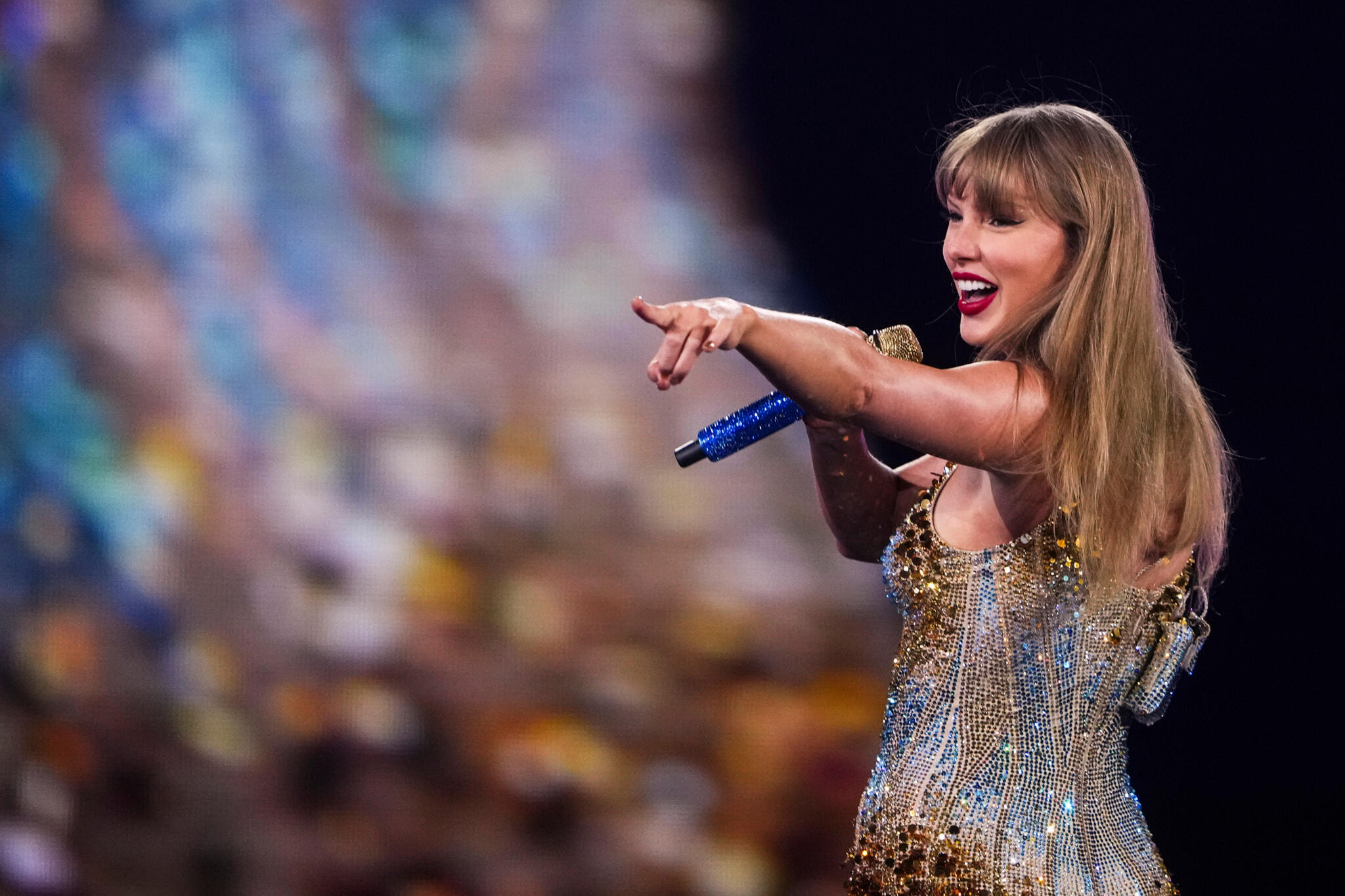
Taylor Swift Eras Collection Opens at Boston MFA April 2027, First Musician Exhibition
The Museum of Fine Arts in Boston will open "Taylor Swift: The Eras Collection" on April 10, 2027,...

No. 2 Maryland Faces Harvard in NCAA Semifinals at Trager Stadium
No. 2 seed Maryland takes the field Friday at noon against No. 3 seed Harvard in the NCAA...