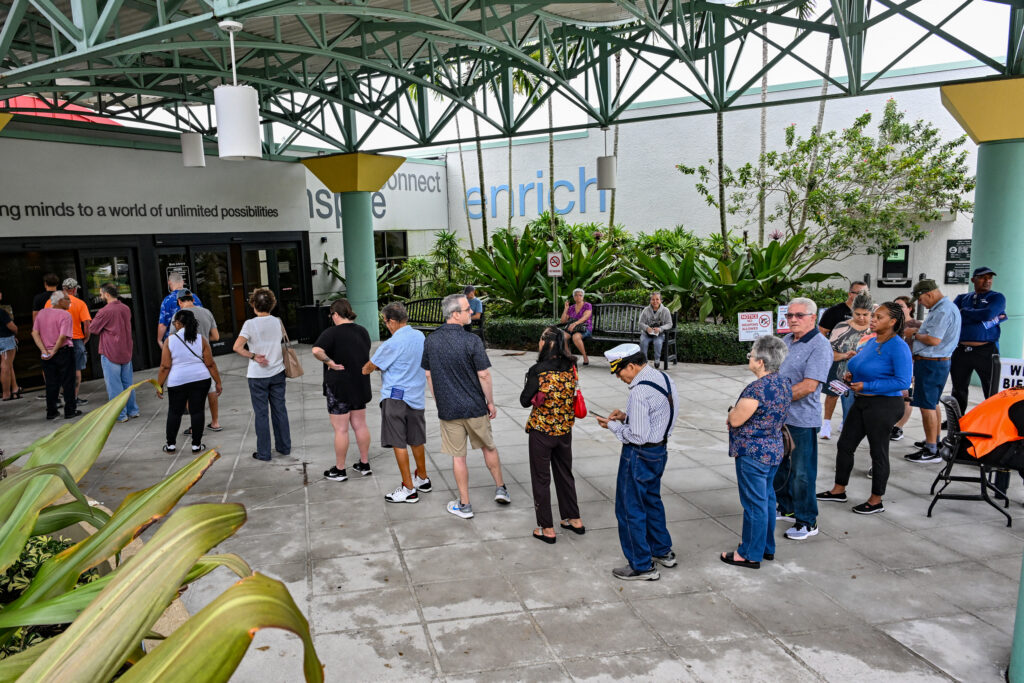
For years, Florida was a must-win swing state, opting six times in a row for the prevailing presidential candidate, from Bill Clinton in 1996 to Trump in 2016. On Tuesday, Republicans in Florida narrowly held off a nationwide repudiation of their party and President Donald Trump, eking out slim victories in statewide races. While the GOP successfully held onto statewide offices, the margin of victory suggests that the “red wave” narrative in the Sunshine State is losing its momentum.
Republican Byron Donalds secured the governorship over Democrat David Jolly by a margin of a little over 1 percentage point, while Republican Ashley Moody clinched the U.S. Senate seat against Democrat Angie Nixon by less than 3 percentage points. Despite a fundraising advantage and 1.5 million more registered voters in the state than Democrats, the party’s grip proved far more tenuous than the blowout victories of the recent past. As Donalds celebrated his win as the first Black governor elected in Florida and first Black Republican governor in the nation, the narrowness of the results sent a clear signal: Florida is no longer the guaranteed stronghold the GOP once envisioned.
The Hidden Cost of Redistricting
The GOP’s struggle to expand its influence is perhaps most visible in the congressional map. Earlier this spring, Gov. Ron DeSantis and the Republican-controlled Legislature pushed through a controversial redistricting plan. Yet, the strategy hit a wall. Democrats successfully defended four congressional seats that were redrawn to favor Republicans.

Representative Darren Soto’s central Florida district serves as the perfect case study. Even after being redrawn to reach deep into conservative-leaning territory as far south as Lake Okeechobee, the district remained in Democratic hands. Susannah Randolph, director of the Florida chapter of the Sierra Club, noted that the redistricting effort failed. “I think folks kind of saw through that scheme,” she said.
Shifting Power in the Legislature
The erosion of Republican influence extends to the statehouse. While the GOP maintains majorities in the Senate and House, they lost super-majorities in both chambers. Aubrey Jewett, associate director of the School of Politics, Security and International Affairs at the University of Central Florida, points out that this shift fundamentally changes the legislative process.
“They didn’t win, and so that stings. But on another level I think it gives perhaps Democrats a little bit of hope after all, because it really seemed that Florida had become a red state to such a degree that Democrats just didn’t really have any hope,” Jewett said. “I emphasize though, a loss is a loss, and it stings. And I’m sure they’re disappointed that they lost, and they don’t have control of the executive branch.”
With their super-majorities gone, Democrats now will wield more influence as bills are shaped and voted on. For voters, this could mean a slower, more contested legislative session as the two parties grapple with a state that is increasingly divided on policy.
Climate Change as a Political Reality
Environmental policy remains one of the most volatile friction points in the state. DeSantis as governor dismissed the role of climate change in intensifying hurricanes and flooding and did little to address the emissions exacerbating the problem or hold polluters accountable. He focused his environmental policy instead on the Everglades and water quality. However, nature provided a stark counter-narrative this week as heavy rain and flooding forced the closure of some voting locations.
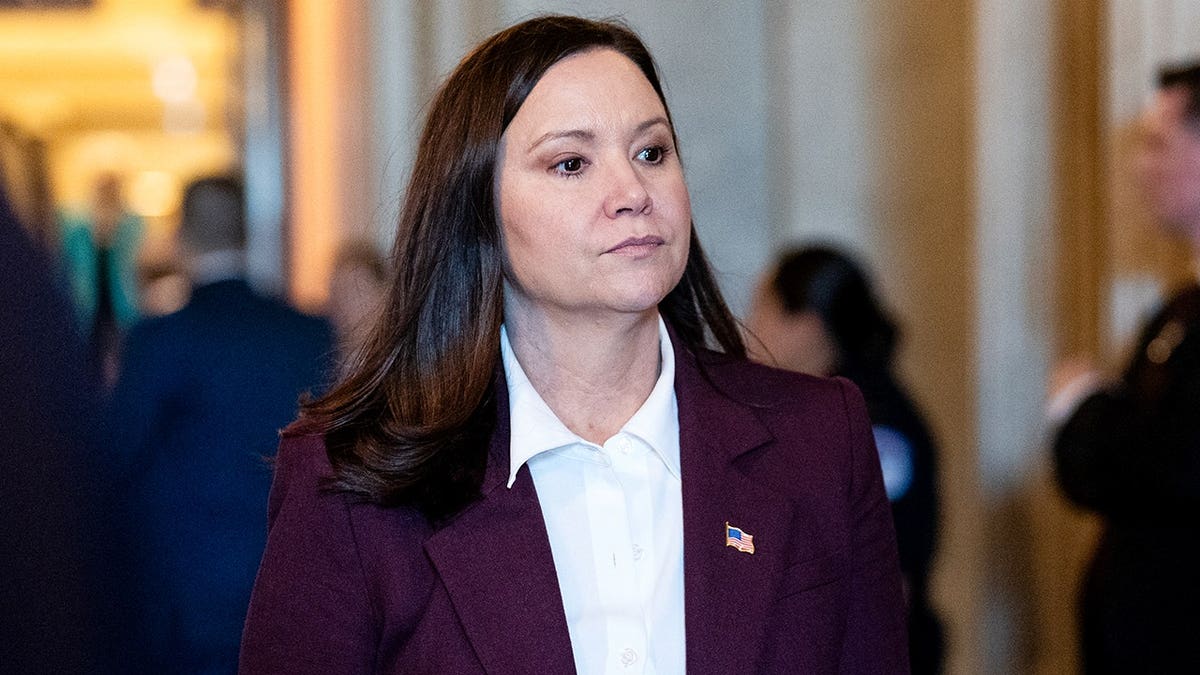
Rachel Cleetus, climate program director for the Union of Concerned Scientists, argues that the physical reality of a changing climate is becoming impossible for politicians to ignore. “Florida is almost one of the most acute manifestations of this fossil fuel energy crisis affecting costs, as well as climate change is causing so much damage and the threats are growing for the state,” Cleetus said. “It’s just unmistakable that these issues are top-of-mind for voters.”
The Path Forward for a Swing State
Whether Florida reclaims its status as a swing state depends on how both parties interpret these results. Democrats, despite being heavily outspent and lacking resources, managed to keep contests within a razor-thin margin. The question now is whether the party can capitalize on this newfound momentum or if the GOP will pivot to a more moderate stance to shore up its base.
Official records confirm the executive branch remains under Republican leadership, but the administrative burden of governing a narrowing coalition may prove significantly more difficult than the campaign trail suggested. As the state moves past the election, the reality remains: the “red state” label is becoming increasingly difficult to justify in a place where every vote, and every shift in the electorate, is now being contested at the margins.
Keep reading
- Las Vegas Expands Downtown Homelessness Outreach and Services
- Colom campaign challenges GOP effort to separate provisional ballots
- Democratic victory spurs Texas data‑center ban, AI stocks adjust (newsarchyuk.com)
- Layden Blocker’s Clutch Shot Leads DePaul to 82-80 Victory Over South Florida (world-today-news.com)

Las Vegas Expands Downtown Homelessness Outreach and Services
Las Vegas Targets Downtown Homelessness with Targeted Outreach More than 300 unsheltered individuals have been connected to essential...
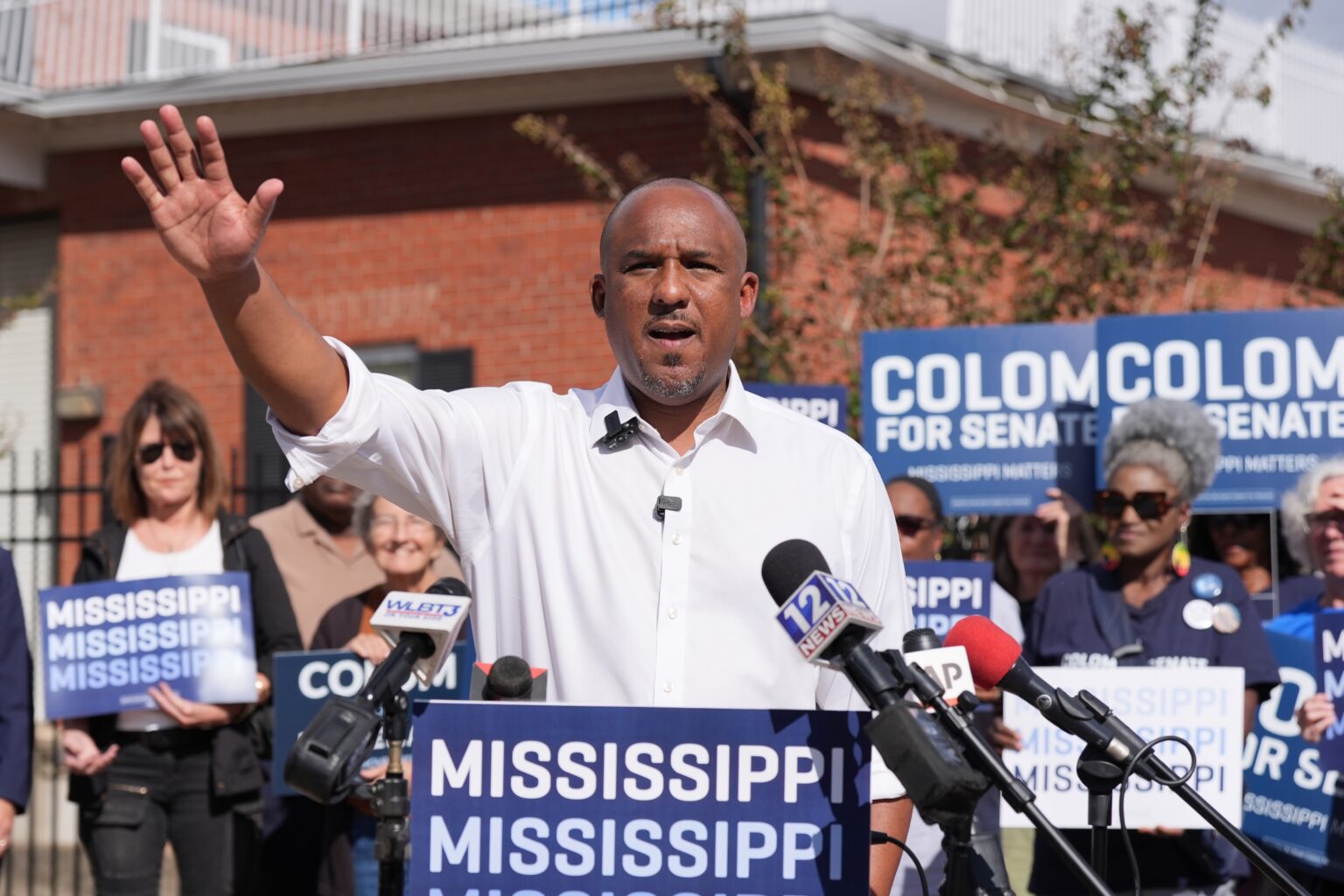
Colom campaign challenges GOP effort to separate provisional ballots
Mississippi Republicans Target Uncounted Ballots in Senate Race The campaign of Democratic Senate candidate Scott Colom is pushing...

Jalen Duren Injury Causes Detroit Pistons to Plummet in Paint Scoring
The Pistons’ Paint Problem Is All About Jalen Duren The Detroit Pistons are currently navigating a reality that...
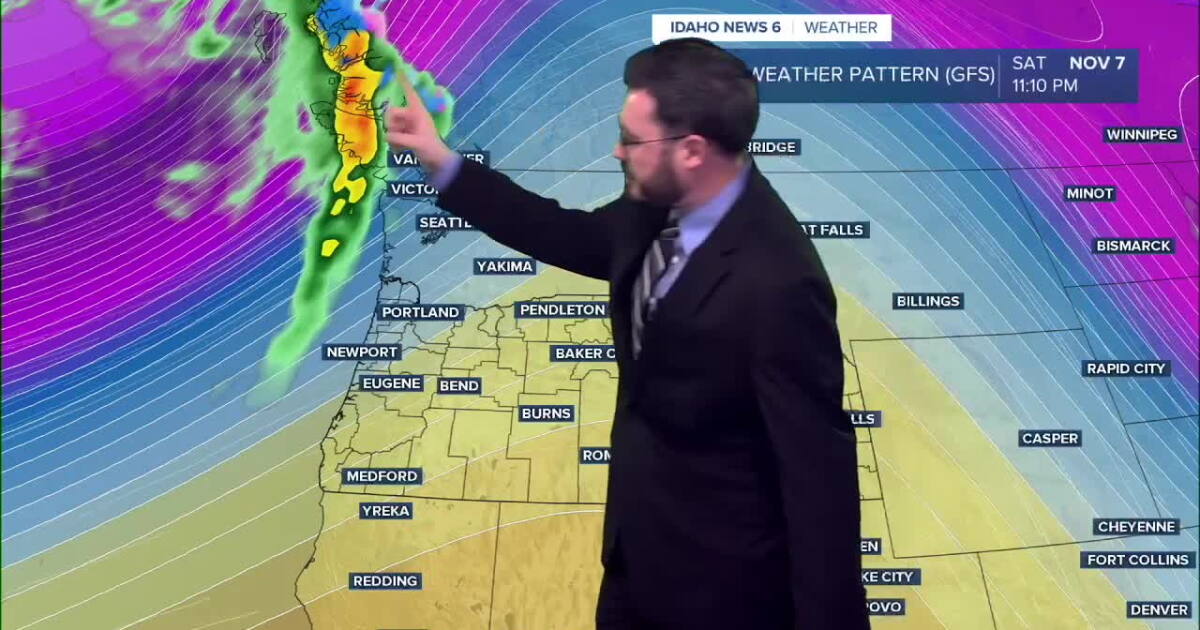
Unseasonably Warm Temperatures and Sunny Skies Hit Southern Idaho
Southern Idaho Temperatures Climb into the 60s This Weekend Southern Idaho is preparing for a stretch of unseasonably...