
A trio of forensic experts has concluded that Jeffrey Epstein was likely strangled to death in his Manhattan jail cell, directly contradicting the official 2019 ruling of suicide by hanging, Al Jazeera reported.
The finding, detailed in a report obtained by multiple outlets, centers on injury patterns the team says are mechanically impossible in a suicidal hanging. Michael Freeman, a forensic scientist; Anders Eriksson, a forensic pathologist; and Itiel Dror, a cognitive scientist, argue the evidence points to homicidal strangulation from behind, likely using a knotted fabric ligature.
“The pattern, distribution, and multitude of injuries are not explained by a suicidal hanging,” the report reads, according to Al Jazeera. The researchers allege the original investigation was compromised by intense political pressure and procedural failures, including the failure to photograph the body in situ and the failure to identify the ligature.
The Mechanics of the Dispute
Dr. Barbara Sampson, New York City’s Chief Medical Examiner at the time, ruled the cause of death as hanging and the manner as suicide shortly after Epstein was found unresponsive on August 10, 2019, at the Metropolitan Correctional Center. She has stood by that determination. “I stand firmly behind our determination of the cause and manner of death for Mr. Epstein,” Sampson told the BBC.
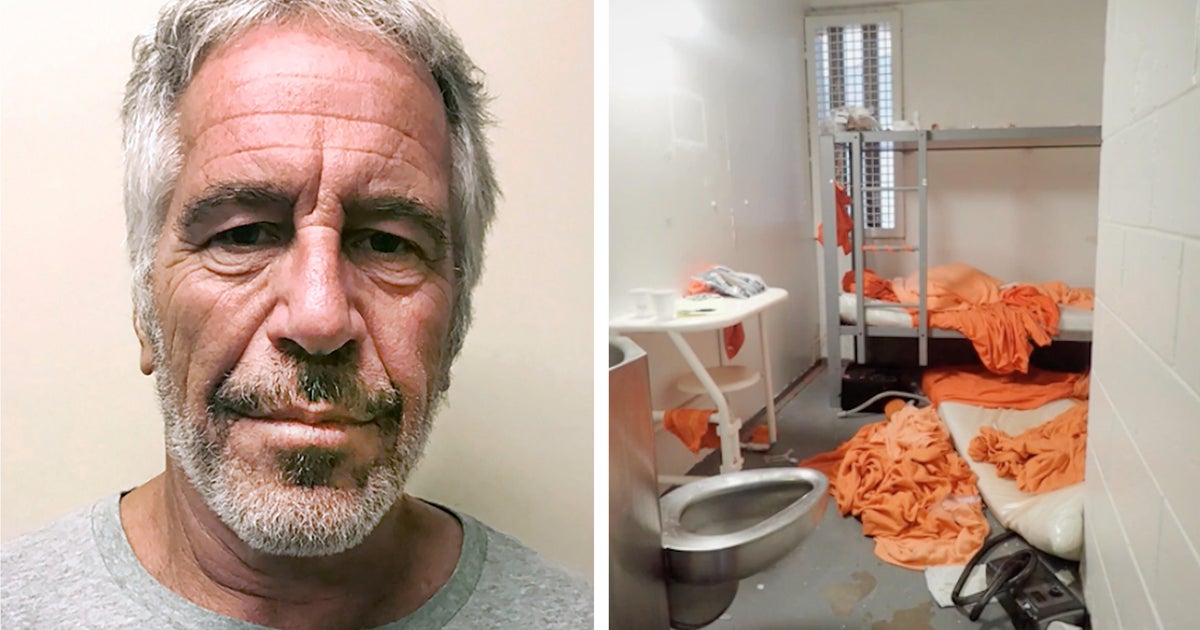
Freeman’s team, granted access to autopsy photos and files by Epstein’s brother Mark, disputes the biomechanics of that ruling. Freeman constructed a three-dimensional biomechanical model based on the description of the scene in which the guard said he found Epstein hanging from a bedpost. The model, Freeman told CBS News, shows the ligature marks should have been sloped or peaked. Instead, they were horizontal.

“That’s not what suicidal hangings do,” Freeman told CBS News. He argued the horizontal orientation of the furrow on Epstein’s neck indicates the force was applied from behind, pulling the ligature backward across the neck, not downward from a fixed point above.
Unexplained Trauma and Missing Evidence
The report highlights injuries the team says were overlooked or unacknowledged in the official autopsy narrative. Freeman told the BBC he identified a hemorrhage on Epstein’s left shoulder and injuries that appear to be consistent with being struck in the face. Bruising on the back and shoulder, documented in photographs, are “most consistent with homicidal strangulation from behind,” the Al Jazeera report says.
Procedural gaps compound the forensic doubts. Prison staff moved the body before taking photographs. Investigators also failed to identify the ligature. The guard who first came across Epstein’s body initially refused to be interviewed, and the medical examiner who determined the case was a suicide was not allowed to visit the prison, according to the trio’s report.
The Bias Factor
Dror, a cognitive scientist who studies biases in forensic science, argues the high-profile nature of the case inevitably warped the investigation. Epstein’s connections to presidents Bill Clinton and Donald Trump, along with the potential exposure of a vast trafficking network, created what Dror said could have influenced the examination of the body.
The medical examiner’s office pushed back on the bias claim.
A History of Dissent
This is the second report by an outside forensic expert to question the official findings of suicide.
Freeman acknowledged to CBS News that his current report was rejected by an academic journal. He said reviewers felt it was inappropriate to criticize a medical examiner’s findings in a peer-reviewed publication. He plans to release the full files and his analysis publicly.
Forensic consensus remains fractured.
The Unanswered Questions
Freeman refuses to speculate on who might have killed Epstein. “That is not something I have an opinion about,” he told the BBC. “That isn’t any part of any investigation that I’ve done.”
What happened? All the other things. Why the cameras [were] off? All a mystery, yes,” Freeman told CBS News. “Was this a suicide? Not a mystery.”
Related reading

Senate Democrats Prepare First Contested Leadership Race in Decades: Schumer vs. Van Hollen
Senate Democrats are preparing for their first contested leadership election in more than three decades, pitting incumbent Chuck...

Fiji PM Rabuka Declares Nationwide State of Disaster Over El Niño Drought
Prime Minister Sitiveni Rabuka declared a nationwide state of disaster, reversing his dismissal of the El Niño drought...

Netflix Releases Selling Sunset Season 10 Trailer, Sets December 4 Premiere
Netflix released the official trailer for Selling Sunset Season 10 on November 18, confirming Christine Quinn and Heather...

ASCO International Affairs Committee Leaders Discuss Global Oncology Priorities
"The biggest concern [in cancer care globally today] is equity…," said Monica Malik, MD, DNB, FASCO, Immediate Past...