
Rhode Island District Court Chief Judge John McConnell Jr. has ruled that senior advisors to Governor Dan McKee violated the constitutional free speech rights of Providence City Councilor Miguel Sanchez when they fired him over pro-Palestine social media posts. The decision affirms that government employees cannot be retaliated against for exercising their First Amendment rights on personal accounts, particularly when their roles do not influence public policy.
The ruling arrives as Sanchez, a 28-year-old Democratic socialist, prepares to become the next president of the Providence City Council following a Democratic primary victory. The case centers on the tension between a public official’s private speech and their employment within a governor’s administration, setting a clear boundary that personal activism does not automatically constitute professional disruption.
The firing of a junior staffer
The conflict began in October 2023, shortly after the start of the Israel-Hamas war. Sanchez, who was then working as a junior staffer in Governor McKee’s Office of Constituent Services, used his personal X (formerly Twitter) account to call for a ceasefire and share videos from a pro-Palestine rally held outside the State House.
While supervisors initially cautioned Sanchez about his content, the situation escalated quickly. On Nov. 1, 2023, following a report in the Providence Journal regarding his activism, the Governor’s office terminated Sanchez from his $50,000-a-year position. In August 2024, Sanchez filed a federal lawsuit against Governor McKee and his top advisors, Joseph Almond and Antonio Afonso, alleging violations of the First and 14th Amendments of the U.S. Constitution.

In a 25-page ruling first reported by GoLocalProv, Judge McConnell found the timing of the termination particularly damning. He noted that Sanchez was fired the day after Deputy Chief of Staff Antonio Afonso had acknowledged that Sanchez had a right to express himself.
“Both the Chief of Staff and the Deputy Chief of Staff of the Governor knew or should have known that they should not retaliate against Mr. Sanchez for exercising his constitutional right,” wrote Judge McConnell.
The ‘disruption’ defense fails
The defense, represented by the Rhode Island Attorney General’s office, argued that Sanchez’s posts were disruptive to the office’s operations. They further sought “qualified immunity,” a legal shield that protects government officials from monetary damages unless they clearly violated established constitutional rights.
Judge McConnell rejected these arguments. He pointed out that Sanchez’s role in constituent services had little to no influence on the Governor’s public policy or official communications. More tellingly, the court found that the act of firing Sanchez caused far more disruption than the posts themselves. According to court filings, the termination triggered 63 emails, 38 phone calls, and inquiries from 17 different reporters within a single day.

The judge observed that the “alleged distraction” caused by the social media posts paled in comparison to the chaos following the firing. He also highlighted a double standard within the administration: two other staff members had posted views that conflicted with the Governor—including support for a different 2024 presidential candidate and a proposal to abolish the Law Enforcement Officers’ Bill of Rights—yet neither was fired or asked to remove their content.
Ruling protects political activism of public employees
This ruling provides a significant victory for public employees who balance government roles with political activism. By decoupling Sanchez’s role as a City Councilor from his job in the Governor’s office, the court reinforced the idea that a government paycheck does not buy a citizen’s silence on matters of public concern.
However, the victory is currently partial. While Judge McConnell firmly concluded that the constitutional violation occurred, he did not address the outstanding requests for back pay, monetary damages, or the reinstatement of Sanchez’s former job.
Olivia DaRocha, a spokesperson for Governor McKee, stated that the governor’s office disagrees with the decision and is currently reviewing all legal options. Almond and Afonso remain in their positions, though Governor McKee’s term is set to end in January.
Beyond the courtroom, Sanchez has diversified his income. His 2025 financial disclosure with the Rhode Island Ethics Commission lists roles as a case manager for Better Lives Rhode Island and a community outreach coordinator for the Rhode Island Community Food Bank. He also reported earning over $1,000 from Whatnot, an online platform where he auctions collectible diecast cars.
The central question now shifts from whether a right was violated to what the cost of that violation will be. With the Governor's term ending soon, the administration may settle the financial claims or continue to fight the ruling in higher courts.
Related reading

Carol Jean Marsh Billings Warden Dies at 84 in Crumpler, NC
Mrs. Carol Jean Marsh Billings Warden, an 84-year-old resident of Crumpler, North Carolina, died in peace on the...

FEMA Approves More Than $86 Million for Southeast Disaster Recovery
Federal disaster relief efforts in the Southeast received a massive infusion this week as the Federal Emergency Management...

Scott Fitzpatrick: GOP Auditor Defends Independent Record for Reelection
Auditor Fitzpatrick Touts GOP Independence in Missouri's 2026 Statewide Race “And my record, going all the way back...
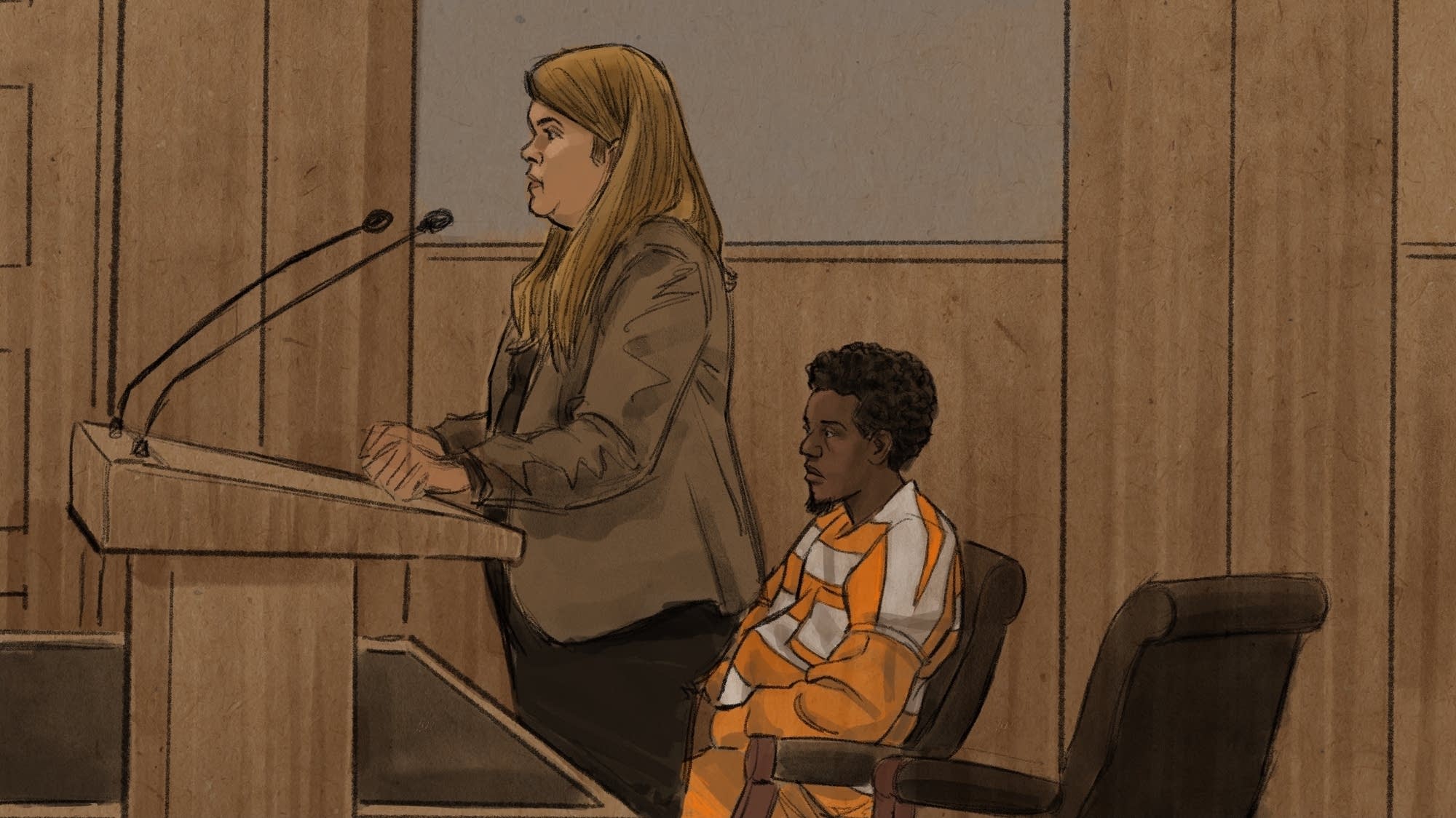
Feeding Our Future Architect Salim Said Sentenced to 30 Years in Prison
Salim Said, a central figure in the massive Feeding Our Future fraud scheme, was sentenced to 30 years...