
Houston artists operate in a city that celebrates their cultural contributions yet often fails to provide the basic economic infrastructure required to keep them here long-term.
A new report released by Fresh Arts, a Houston-based nonprofit arts advocacy organization, reveals a stark divide between the city’s creative vibrancy and the financial precarity of its workforce. Published in collaboration with the SMU DataArts research center and supported by the Houston Endowment, the study provides the most comprehensive look at the local creative sector to date.
The 2026 Greater Houston Artists Study: Vibrancy, Vulnerability, and Pathways to Sustainability surveyed 1,008 area artists, finding that while most creators feel welcomed by the city, many cannot afford to live there.
The data highlights a severe income-to-cost-of-living imbalance. While the report notes that a household income of $90,000 is required to live comfortably in Houston, 57% of responding artists earn less than $50,000 annually. Even more concerning, nearly 30% of the creative workforce reports an annual income below $25,000.
This financial strain ripples into every facet of artistic production. Ninety-five percent of respondents identified rising rents as a primary barrier to securing or maintaining adequate studio space. Without the ability to build savings—a struggle faced by 60% of those surveyed—many artists find themselves one unexpected expense away from being priced out of their neighborhoods entirely.
“More artists feel this city believes in them, yet too many are still struggling to afford a place to work and a stable living. We hope every Houstonian who values the arts sees a role for themselves in what comes next.”
Gracie Chávez, a musician and the Programs Director at Fresh Arts, will lead the organization’s implementation phase based on the survey’s findings. The report paints an image of a city that is a fertile ground for career beginnings but a difficult place for long-term professional residence.
Beyond raw income, the study exposes a geographic and racial split in how artists experience the city’s support systems. While 64% of white artists reported feeling supported within their own neighborhoods, those figures were lower for other demographics. Only 49% of Black or African American artists and 45% of Hispanic or Latinx artists reported feeling a similar level of community support.
These findings suggest that the infrastructure of the arts ecosystem is not distributed evenly. As the report indicates, targeted investments in equitable access to resources are necessary to ensure the long-term health of Houston’s creative sector. Artists clearly defined where those investments should go, with 59% calling for more grant opportunities and 38% requesting more exhibition space.
The survey also identified gaps in the administrative side of creative careers. When asked what professional practice tools would most assist their development, 50% of artists pointed to marketing and promotion, 38% sought help with grant writing, and 30% expressed a need for legal support regarding contracts.
| Support Type Needed | Percentage of Artists |
|---|---|
| Marketing and Promotions | 50% |
| Grant Writing/Bio Drafting | 38% |
| Legal/Contract Support | 30% |
The findings from the Fresh Arts report are now informing the next steps for the organization. On Wednesday, December 2, Fresh Arts will host a community conversation titled “Artist Voices, Data, & What’s Next: Mobilizing the Greater Houston Artist Community.” The event is scheduled for 6:30 to 8:30 p.m. at MATCH and is free to the public with registration.
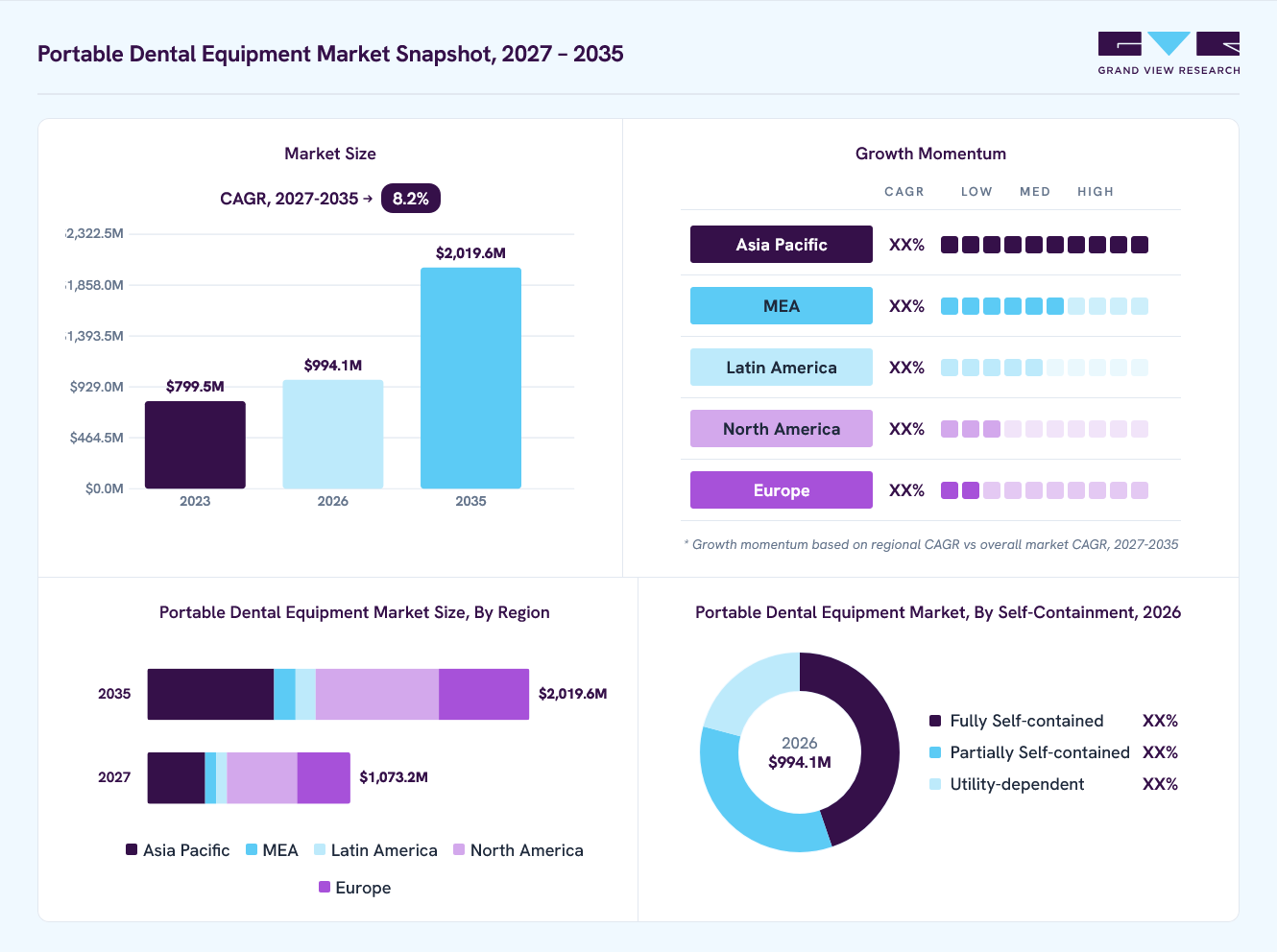
Portable Dental Equipment Market Size Report, 2027-2035 – Grand View Research
Valued at USD 994.1 million in 2026, the global portable dental equipment market is climbing toward USD 2,019.6...

2 Dogs Dead, 3 People Displaced After Apartment Fire | News
Two dogs died and three people were displaced following an apartment fire on Madison’s east side Thursday afternoon....

Barboursville School to Reopen as a Residential Treatment Facility for Children, Morrisey Announces
Governor Patrick Morrisey announced on Thursday that the former Barboursville School will reopen in early 2027 as a...
The Law Offices of Patrick M. Hunter – Wyoming Chapter 7 Bankruptcy Lawyer
Financial distress in Wyoming often leads residents to a critical crossroads where the promise of a "fresh start"...