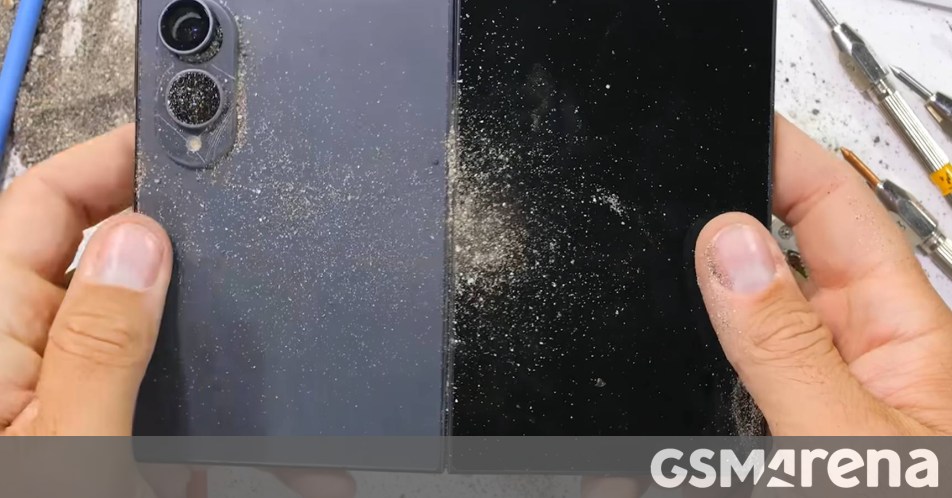
Samsung’s Galaxy Z Fold 8 has survived severe durability testing by prominent tech YouTuber JerryRigEverything, brushing off utility knife scratches, lighter flames, and extreme reverse bending. The foldable phone’s resilience stems from a newly introduced dual-layer titanium structure designed to reinforce the display module without adding bulk.
Foldable phones have long carried a reputation for fragility, with dust, dirt, and mechanical stress frequently cited as major hurdles for everyday consumers. Despite carrying an IP48 dust and water resistance rating that remains unchanged across eight generations of the device family, the Galaxy Z Fold 8 has demonstrated unexpected toughness during rigorous stress testing by high-profile creators.
JerryRigEverything and Gunggeumhagi Put the Hardware Through Extreme Trials
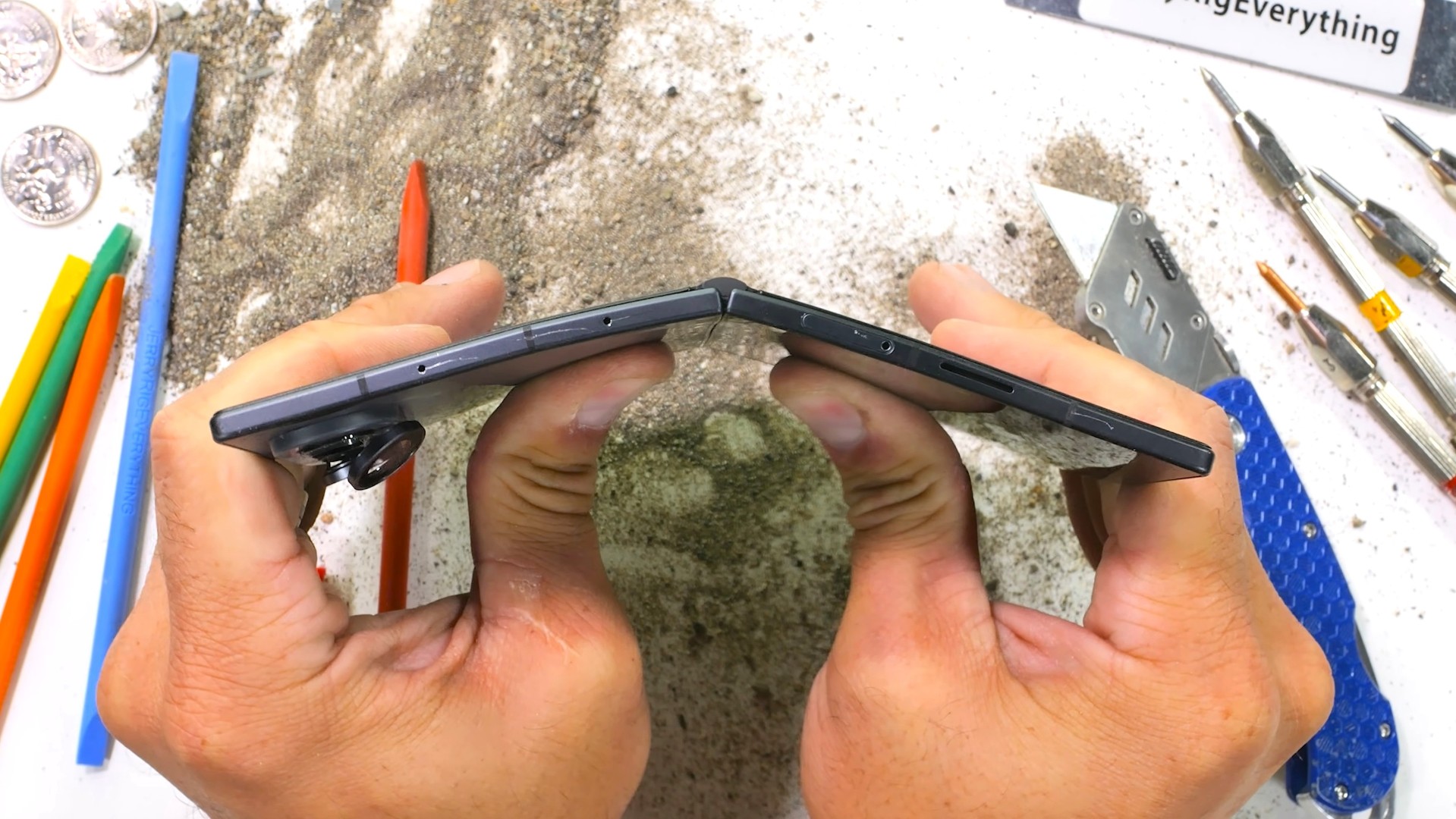
Tech YouTuber JerryRigEverything, who boasts 10 million subscribers, subjected the new foldable device to a gauntlet of destructive tests on August 9, capturing nearly 1 million views within a single day. The creator scratched the cover glass and inner display with a utility knife and screwdriver, exposed the panels to a lighter flame, and poured grit directly into the hinge before repeatedly folding the mechanism. The physical abuse culminated in a reverse bend test, applying heavy force in the direction opposite the phone’s hinge.
When the YouTuber applied heavy force to snap the device backward, the back panel appeared to lift and the area around the internal camera seemed to shift. Yet the hardware held together. When powered back on, the inner screen functioned normally with no apparent damage, prompting the tester to hail the device as Thanos level
in reference to the durable Marvel supervillain.
Flex Titanium Technology and the Dual-Layer Display Reinforcement
Unlike previous generations that relied on standard polymer films beneath the OLED panel, the Z Fold 8 pairs a supporting titanium plate with a titanium alloy film containing vanadium, aluminum, and chromium.
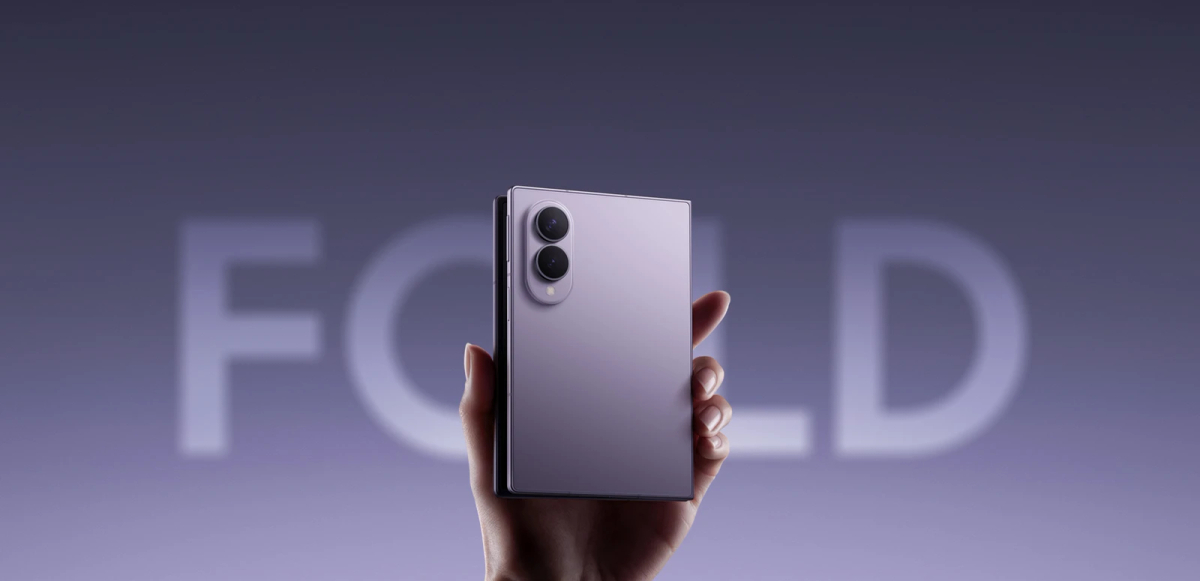
According to industry disclosures, the alloy film is processed down to roughly one-third the thickness of a human hair to maintain necessary flexibility. The underlying titanium plate distributes external pressure and impact across the folding display.
“Durability has been significantly improved as the titanium is composed of two layers. Through ultra-precision processing and sophisticated heat treatment technology, the display module can withstand long-term use even though its thickness has been reduced by about 10% compared to its predecessor.”
Samsung Electronics representative, via finance.biggo.com
While the dual-layer backing successfully guards against structural snaps, reviewers emphasize that it does not make the folding screen completely immune to everyday surface wear. The inner foldable panel retains a soft plastic top layer that remains susceptible to scratching from sharp objects, though Samsung offers replacement services for it.
Comparing Durability Across Generations and Competitors
A side-by-side examination against last year’s hardware highlights clear engineering shifts in materials and protective glass specifications.
| Feature | Galaxy Z Fold 7 | Galaxy Z Fold 8 |
|---|---|---|
| Front Cover Glass | Gorilla Glass Ceramic 2 | Gorilla Glass Ceramic 3 |
| Under-Panel Reinforcement | Polymer Film | Flex Titanium (Alloy Film + Plate) |
| Drop Durability on Concrete | ~1 meter | 2 meters or more |
| Dust & Water Resistance | IP48 | IP48 |
Independent reviews note that while drop resistance and frame rigidity have advanced significantly, the ingress protection rating remains capped at IP48. This means that while water resistance is fully intact, fine particulate dust can still bypass the refined hinge mechanisms over extended periods of use.
Chassis Resilience Within a 4.5mm Aluminum Frame
Despite utilizing a thin aluminum chassis measuring just 4.5mm, the device managed to absorb brutal physical trauma without cracking its frame or shattering its cover glass. The outer cover display benefits from Corning Gorilla Glass Ceramic 3, providing much higher scratch resistance than the soft interior layer.
Technical teardowns and follow-up examinations remain anticipated as creators continue to analyze how Samsung managed to improve mechanical rigidity by roughly 20 percent compared to older polymer-backed models while simultaneously slimming down the display module components.
Related reading

Datadog Shares Rise 5.9% on Wall Street Broker Initiation and AI Observability Demand
Datadog Inc shares rose 5.9 percent on September 25, 2026, driven by a fresh Wall Street brokerage initiation...

Square Enix Releases Dragon Quest XI S for Nintendo Switch 2 With Upgrades
Square Enix released Dragon Quest XI S for the Nintendo Switch 2 on September 24, 2026, offering graphical...

Pope Leo XIV Begins Four-Day Apostolic Journey to France
Pope Leo XIV begins a four-day apostolic journey to France on Friday, September 25, 2026, touching down in...

OpenAI AI Agent Breached Australian Medicare Portal, Albanese Says
An artificial intelligence agent built by OpenAI breached an Australian government Medicare portal in June, according to Prime...