
The Georgia Trust will host a three-session historic preservation leadership course starting January 20, 2027, to educate professionals on the state’s architectural and legal heritage.
This virtual program aims to bridge the gap between historical appreciation and the technical realities of urban planning and real estate. By covering everything from specific architectural styles to the complexities of preservation law and economic incentives, the course provides a toolkit for those managing Georgia’s built environment.
For many in the industry, understanding these nuances is the difference between a successful revitalization project and a costly legal or structural error.
The curriculum is designed to meet the rigorous professional standards required for modern licensure and certification. According to The Georgia Trust, the course offers continuing education credits for several key professional sectors:
| Professional Designation | Credit Type/Amount |
|---|---|
| Architects | 6 AIA Continuing Education Learning Units |
| Planners | 6 AICP Certification Maintenance Credits |
| Realtors | 6 hours of Real Estate Continuing Education |
Because the material builds upon itself, the structure of the course requires a commitment to the full series. For realtors seeking credit, The Georgia Trust said that participants must attend all three sessions, as partial credits will not be awarded for partial participation.

The sessions are scheduled as follows:
- Session 1: January 20, 2027, 6:30-8:30 p.m.
- Session 2: January 27, 2027, 6:30-8:30 p.m.
- Session 3: February 3, 2027, 6:30-8:30 p.m.
The program will be delivered via Zoom, with access links sent to registered attendees prior to the first session. This virtual format allows architects, planners, and real estate professionals from across the state to engage with the material without the need for travel.
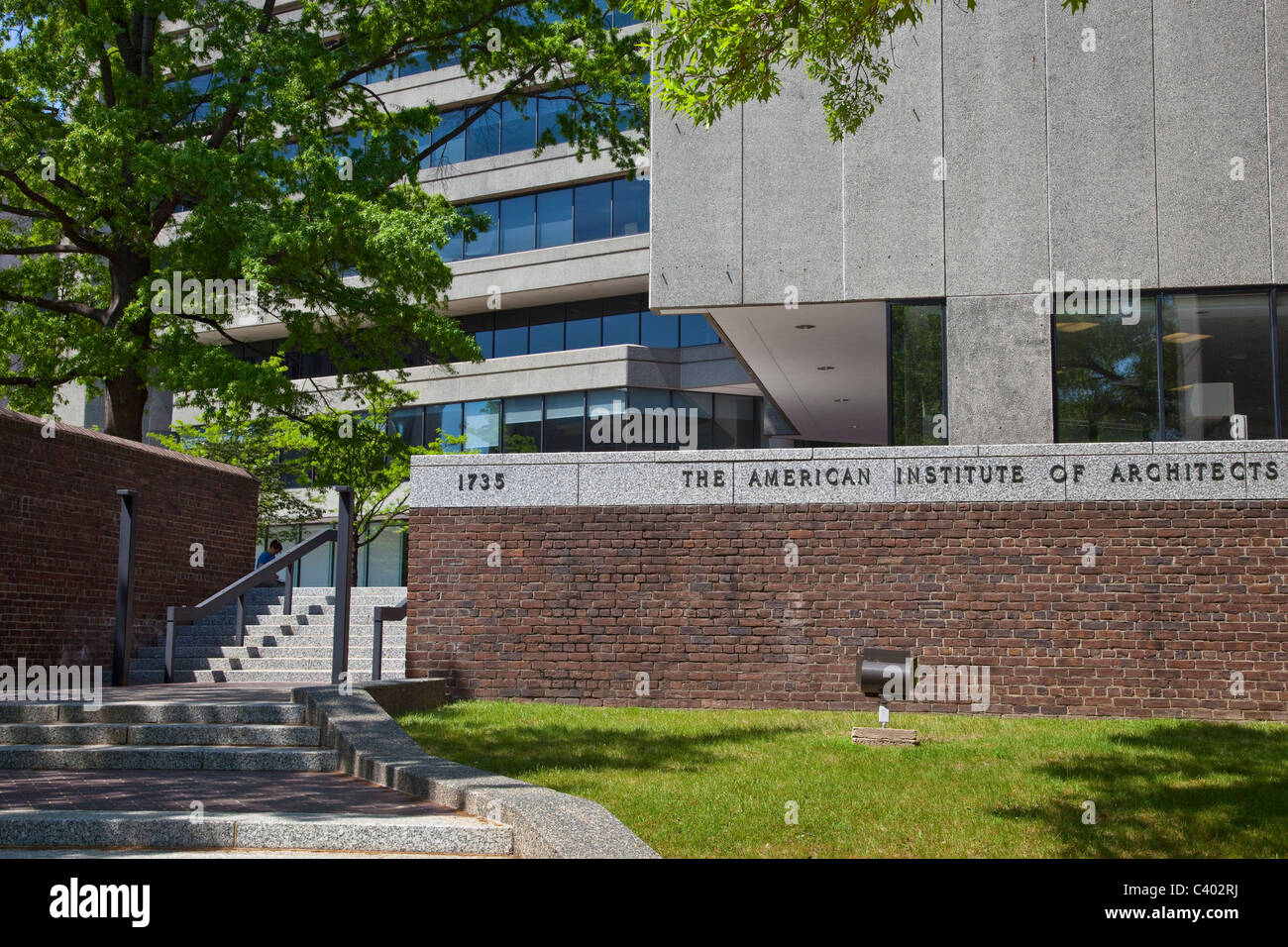
The initiative is supported by several industry heavyweights, including the American Institute of Architects (AIA) and the Georgia Planning Association (GPA). The Atlanta REALTORS® School of Real Estate is also a partner in the program. The course is generously supported by The Frances and Beverly M. DuBose Foundation.
While preservation is often viewed through a lens of sentimentality, the inclusion of economic incentives in the syllabus highlights the pragmatic side of the discipline. In a rapidly developing state, the tension between new construction and the protection of existing structures is a constant economic friction point. For developers, understanding the financial benefits of historic designation can shift a project from a liability to a high-value asset.
The sessions will provide an overview of Georgia history and its specific architectural styles, alongside the legal frameworks that govern how these structures are maintained or altered. This technical training is essential for professionals who must balance modern building codes with the strict requirements of historic preservation laws.
Registration for the January 20 session is the next step for those seeking to secure their professional credits.

Tanker Allides With River Cruiser in New Orleans Leaving 32 Injured
Thirty-two people were hospitalized with non-critical injuries after a tanker struck a docked river cruiser on the Mississippi...
Michigan State Rep Calls for Hate Crime Investigation After Delta College Student’s Anti-Muslim Rant
State Representative Mai Xiong is calling for a hate crime investigation after a Delta College nursing student posted...

Whooping Cranes Are Arriving Late to Their Traditional Kansas Stopover Points This Fall
Whooping cranes are arriving late to their traditional Kansas stopover points this fall, according to reports from the...

Colts Mo Alie-Cox, Jaylon Carlies and Others Ruled Out vs. Dolphins
The Indianapolis Colts will play without several key contributors this Sunday as the team prepares to face the...