Wealthier families and religious institutions captured the vast majority of Idaho’s first year of private school subsidies, according to new state data.
A report released Friday morning from the Idaho Tax Commission reveals that the state’s new voucher program has largely bypassed the low-income households it was intended to serve. Instead, the funding has flowed heavily toward Christian schools and families earning significantly more than the federal poverty threshold.
While state lawmakers passed House Bill 93 last year with $50 million in dedicated funding, the actual distribution of the $38.8 million awarded tells a different story. The legislation was framed as a tool to help lower-income families expand their children’s educational options, but the demographic reality of the recipients suggests a different outcome.
“Idahoans were sold a lie about this voucher scheme,” House Democratic Leader Ilana Rubel (D-Boise) said, according to Boise State Public Radio.
“Voters deserved this information before casting their ballots. We should repeal this program or, at the very least, end subsidies for higher-income families,” Rubel said.
The data shows a stark disconnect between the program’s stated goals and its primary beneficiaries. Of the 6,875 parents awarded a grant, 55.3% earned more than 300% of the federal poverty level. For a household of four in 2026, that threshold sits at $99,000 annually.

The actual wealth of the recipients appears even higher when looking at recent tax filings. Nearly all of the families who received the funds have filed their 2025 tax returns, which show an average household income of $178,000. Most of the money, totaling nearly the entire $38.8 million, was used to pay for school tuition, though some parents applied the funds to tutoring, transportation, or curriculum costs.
The religious affiliation of the schools also dominated the landscape. Among the top 50 schools where families utilized the subsidy, only four were not affiliated with Christian denominations.
The economic impact on the public school system remains a central point of contention. The application process for the grants revealed that only 25.3% of the students receiving the money had ever attended a public school. The vast majority of recipients also indicated they had never homeschooled or had no plans to do so.
| Metric | Value/Statistic |
|---|---|
| Total funds awarded | $38.8 million |
| Average household income | $178,000 |
| Percentage of recipients earning >300% poverty level | 55.3% |
| Percentage of students previously in public school | 25.3% |

Republican leaders who championed the bill argue the data does not reflect a failure of the policy, but rather its success in providing flexibility. Senate Republican Leader Lori Den Hartog (R-Meridian), one of the original sponsors of the law, defended the program’s impact on families.
“I’m thankful that the program empowered parents to choose the best educational options for their kids and provided resources to support that choice,” Den Hartog said.
Den Hartog also challenged the claim that the program primarily benefits the wealthy. She said that 6% of the 6,717 households receiving the tax break earned less than 300% of the federal poverty level in 2024, though those same households exceeded that threshold in 2025.
The timing of the data release has added a layer of political tension to the debate. The Idaho Tax Commission released the report more than a week after this month’s election, following several denied public records requests from organizations including Idaho Education News. Democratic lawmakers suggested the delay was a political move to withhold information from voters before they headed to the polls.
“Voters deserved this information before casting their ballots,” Rubel said.
- Tanker Allides With River Cruiser in New Orleans Leaving 32 Injured
- Michigan State Rep Calls for Hate Crime Investigation After Delta College Student’s Anti-Muslim Rant
- Vitamin K Skipped: 1 Extra Bleed in 114 Newborns, Mostly Logged Early (daybreakwire.com)
- Microsoft 365, Outlook down for thousands of US users, Downdetector shows (newsarchyuk.com)

Tanker Allides With River Cruiser in New Orleans Leaving 32 Injured
Thirty-two people were hospitalized with non-critical injuries after a tanker struck a docked river cruiser on the Mississippi...
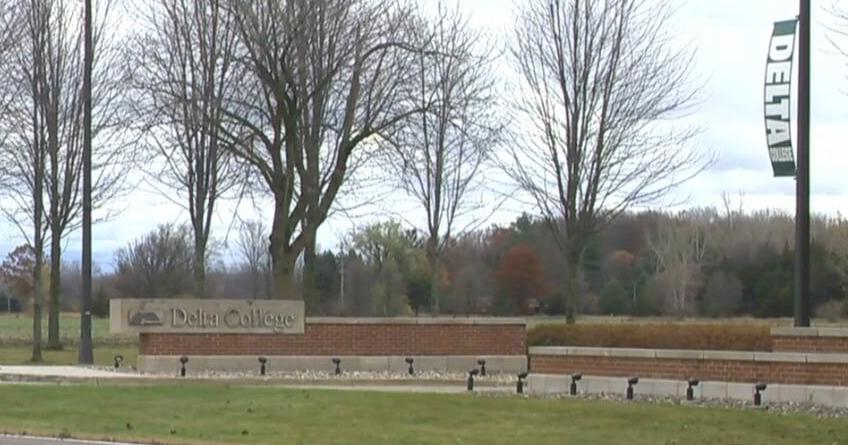
Michigan State Rep Calls for Hate Crime Investigation After Delta College Student’s Anti-Muslim Rant
State Representative Mai Xiong is calling for a hate crime investigation after a Delta College nursing student posted...

Whooping Cranes Are Arriving Late to Their Traditional Kansas Stopover Points This Fall
Whooping cranes are arriving late to their traditional Kansas stopover points this fall, according to reports from the...

Colts Mo Alie-Cox, Jaylon Carlies and Others Ruled Out vs. Dolphins
The Indianapolis Colts will play without several key contributors this Sunday as the team prepares to face the...