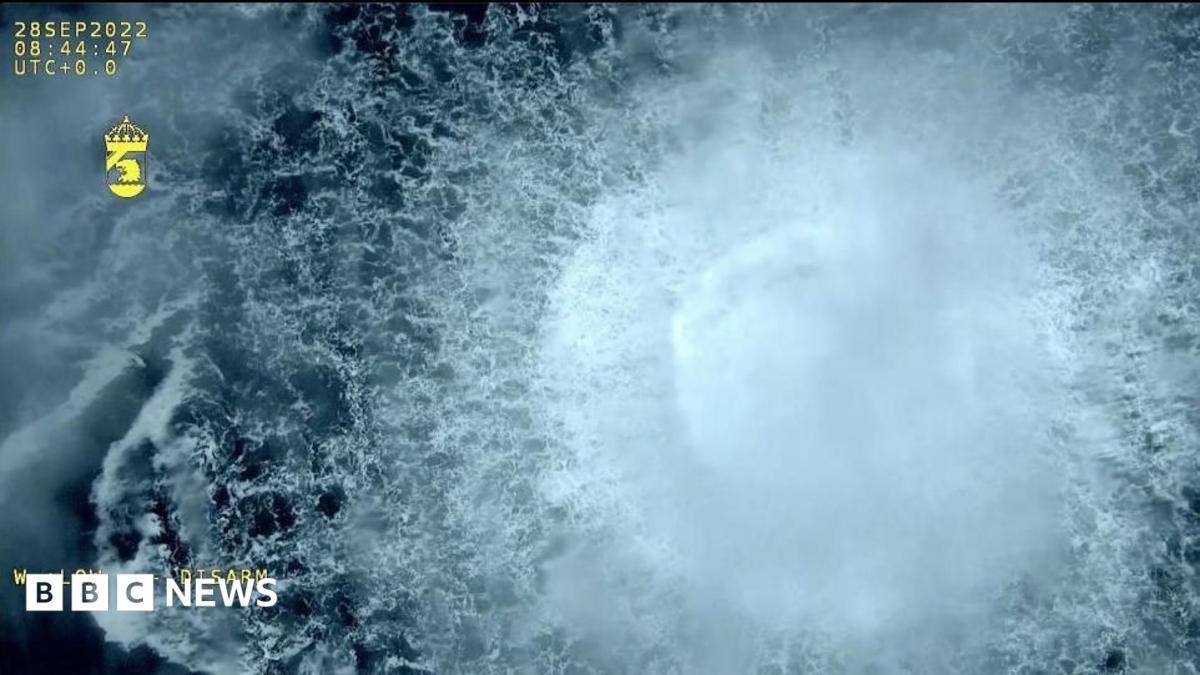
Four years after underwater explosions ruptured the Nord Stream pipelines, Germany’s federal prosecutor has indicted a former Ukrainian officer, setting an October 14, 2026 trial date in Hamburg. The historic case unfolds as European courts process related European arrest warrants while investigators continue tracking the sailing yacht Andromeda.
Four years after explosions ruptured the Nord Stream pipelines in the Baltic Sea, the legal machinery surrounding the sabotage has reached a courtroom phase. On October 14, 2026, the Hanseatic Higher Regional Court of Hamburg, sitting in its state-security formation, will open the trial of a former Ukrainian officer identified by German prosecutors as Serhii K.
The defendant is accused of coordinating the underwater sabotage of September 2022 that severed three of the four strands of the gas link connecting Russia and Germany. The indictment runs to 108 pages. Because the case involves war crimes and state-level sabotage, German procedure assigns it to a specialised bench experienced in terrorism and international criminal law rather than an ordinary criminal chamber.
Andromeda Yacht Evidence Clarifies Pipeline Blast Investigation
The breakthrough in Germany’s investigation centers on a roughly 15-meter sailing yacht named the Andromeda. When investigators first linked the recreational-sized vessel to the blasts in 2023, skepticism ran high among observers who doubted a small team could destroy heavily constructed pipelines at significant depth. Subsequent disclosures have provided a clearer operational trail.
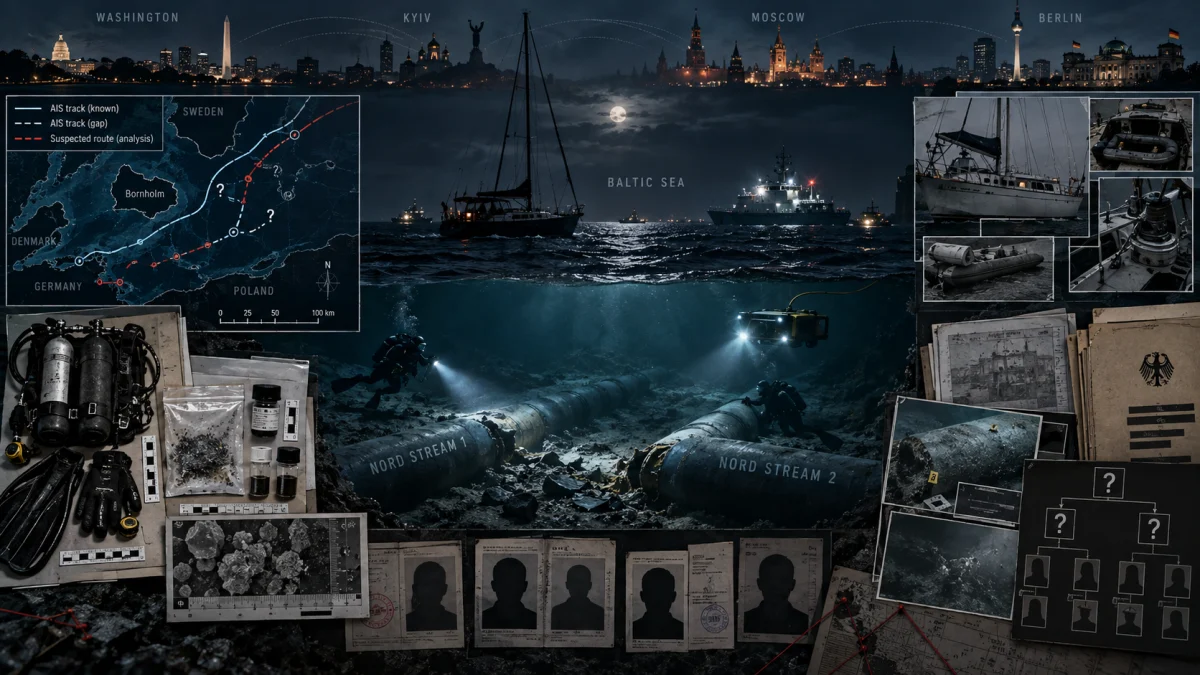
What has changed since 2022 is the amount of evidence available.
Early estimates suggested hundreds of kilograms of explosive would have been required based on seismic signals recorded during the ruptures. However, subsequent geophysical analysis substantially changed that picture. Data from a multinational study—which included contributions from Germany’s Federal Institute for Geosciences and Natural Resources as well as the Geological Survey of Denmark and Greenland—determined that the seismic patterns stemmed primarily from the swift escape of high-pressure gas directly out of the conduits.
The study established an upper bound of roughly 50 kilograms of TNT equivalent for the chemical explosive component, noting that smaller yields could also fit the observations. Meanwhile, German prosecutors allege that Ukrainian military personnel developed the operation on behalf of Ukrainian state authorities, though that allegation remains to be tested in court.
Serhii K Fights Extradition to Germany
Serhii K. fought his surrender for months through the Italian courts before judges ultimately authorized his transfer to Germany. His lawyer in Italy stated that his client had felt abandoned
, while a close contact complained about the silence from Ukrainian state authorities.
None of the individuals suspected in the Nord Stream attacks have made public statements, and zero people have acknowledged any involvement in the blasts. However, some Ukrainians caught up in the case and people close to them have spoken about the fear involved, with one source explaining that anyone who admits involvement in this mission instantly becomes a target for Russia, meaning whoever did it can never confirm that.
A second suspect was arrested on August 19, 2026, when Croatian authorities detained another Ukrainian national identified as Vladimir Z. under a European arrest warrant. German prosecutors describe Vladimir Z. as a trained diver who belonged to the team that fixed charges to the pipelines. He was reportedly apprehended in the Croatian town of Pula while working on a film dramatisation of the attack. On September 18, 2026, a Croatian court approved his surrender, though his lawyer immediately appealed the ruling.
US Intelligence Received Warnings of Ukrainian Attack Plan
Questions regarding foreign foreknowledge, particularly concerning the United States, continue to circulate alongside the judicial proceedings. President Joe Biden publicly promised that Nord Stream 2 would not proceed if Russia invaded Ukraine, and U.S. intelligence received advance warning in 2022 of a Ukrainian military plan to attack the pipelines.
The CIA had received a European intelligence report months before the explosions describing a Ukrainian military plan to attack Nord Stream.
Reporting via The Washington Post
While those disclosures justify scrutiny of U.S. foreknowledge, they do not establish that the United States planted or detonated the explosives. At the same time, public evidence pointing toward Russia remains weaker by comparison. German investigators have produced no equivalent explosive-residue link to a Russian operational platform or false-document trail. Because Nord Stream was a highly lucrative revenue generator for Moscow and a massive investment, yet also gave Russia immense strategic power over Germany and other dependent European nations, Poland, the United States, and Ukraine intensely resented it.
Ukrainian Participants Fear Fallout from Pipeline Destruction
Many Ukrainians viewed the destruction of the pipelines as a tactical blow against a revenue source that funded Moscow’s military efforts. Yet participants caught up in the investigation remain eaten alive by anxiety
over the fallout, caught between the silence of their own government and the ongoing legal scrutiny of a close European ally.
Related reading

Malaysia Tables Record 459.8 Billion Ringgit Budget to Boost Welfare
Malaysia Prime Minister Anwar Ibrahim tabled an expansionary budget of 459.8 billion ringgit on October 9, 2026, boosting...

Somalia Parliament Advances Central Bank Amendments and Judicial Bill
Somalia’s House of the People approved an international judicial cooperation bill and advanced Central Bank amendments during a...
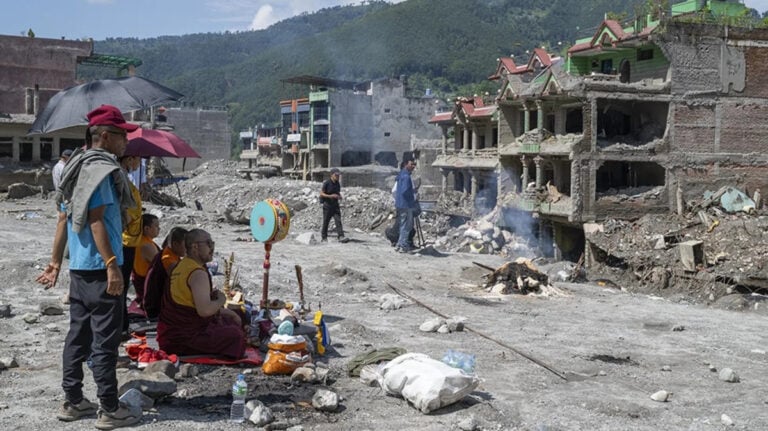
5,285 Still Missing as Nepal Ends Search for August 26 Flood Victims
Nepal has concluded active search operations for victims of the catastrophic August 26 floods, leaving 5,285 people still...
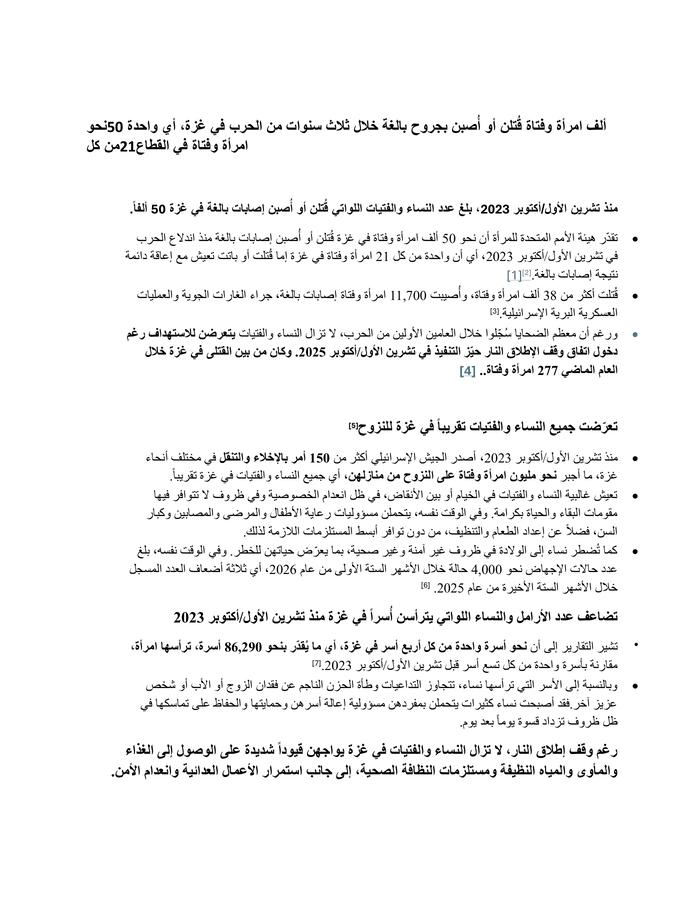
Groups: Israeli Forces Kill or Wound Palestinians Every 90 Minutes in Gaza
One year after a ceasefire agreement mediated in October 2025, humanitarian groups and international organizations report that Israeli...