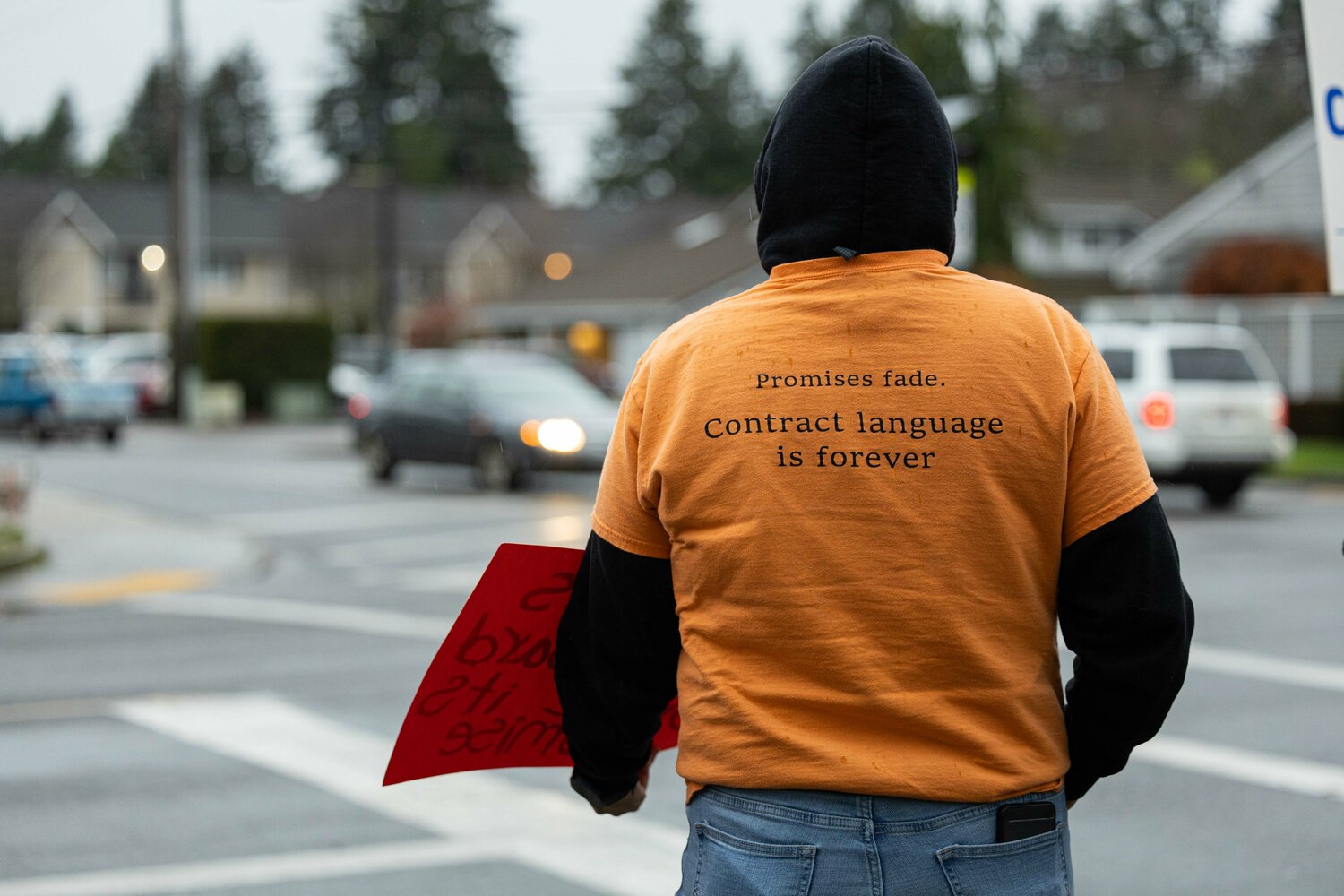
In a column for The Daily Chronicle, Greg Rohr argues that the Democratic majority in Olympia bears responsibility for the education funding crisis facing local schools like the Centralia School District.
The piece, published on November 27, 2026, points to decades of Democratic control of the governor’s office and the state Legislature as a key factor in the current situation. Rohr references the McCleary Decision, which was intended to fully fund education statewide, noting that despite billions in funding increases, Washington continues to struggle with academic performance and school financial shortfalls.
Rohr also criticizes unfunded mandates placed on school districts by the state, including requirements related to boys participating in girls’ sports, sex education in primary grades, and diversity, equity, and inclusion initiatives. He argues these additional requirements strain already tight budgets, noting that the 180-day student seat time gets reduced to accommodate them.
Although his recent opinion editorials share considerable common ground, there are important differences in the way political accountability is treated, particularly concerning the responsibility of school directors to prioritize educational solutions for our community.
Rohr highlights specific education cuts made during the 2026 legislative session by the Democrat-controlled Legislature and Gov. Bob Ferguson, including:
- $26.8 million cutting Local Effort Assistance (LEA)
- $27 million in cuts to Transition to Kindergarten
- $7 million annual cuts from Running Start
- $25.8 million in cuts to school transportation vehicle funding
- $2.3 million cutting from the Beginning Educator Support Team program
- $143 million in cuts from Working Connections Child Care
These cuts, Rohr argues, disproportionately affect rural school districts like Centralia that cannot levy the same local property tax revenues as wealthier districts. He acknowledges the average class size in Centralia has grown from 16.4 to 19.5 students within a two-year period, while special education costs surpass the district’s funding for those services by about $1.8 million.
Rohr takes issue with Eckstein’s call for Centralia to join a lawsuit against the state government, which is controlled by his own party. He questions the effectiveness of this approach without addressing the policies and spending priorities that he says contributed to the crisis.
The column concludes by calling for a shift in focus from simply increasing funding to examining how state funds are spent. Rohr argues for a re-prioritization of educational goals and holds that accountability must extend beyond local school boards to the governor and legislative majorities who direct Washington’s education budgets and policies.
Our teachers need adequate resources and safe working environments. Our students need an education focused on academic achievement. Our families need affordability, and our taxpayers deserve accountability.
Related reading
Gov. Gianforte Invites Montanans to State Capitol Christmas Tree Lighting
Governor Greg Gianforte and First Lady Susan Gianforte invite Montanans to the lighting of the 2026 State Capitol...
Frankfort at Independence Football Nov 27 2026
San Angelo Live published a game preview on November 27, 2026, for the Frankfort varsity football team's away...

Gillette Exits Wyoming Airline Subsidy Program; Four Airports Remain Covered
Gillette left Wyoming’s airline subsidy program on Jan. 1, becoming the first airport to operate without state-backed revenue...

Kansas Prepares for Oklahoma State: Players to Watch in Season Finale
The Jayhawks will conclude their season away from home with a matchup against Oklahoma State on Saturday. The...