
On December 13, 2000, a Milwaukee motorist dialed 9-1-1 to report the Hoan Bridge buckling beneath traffic.
The Daniel Webster Hoan Memorial Bridge carries Interstate 794 over the Milwaukee River. The 1.9-mile structure opened in 1977 with six lanes handling 36,000 vehicles daily, according to an archived summary from Lichtenstein Consulting Engineers. That morning, a sheriff’s deputy confirmed two of three steel girders on a northbound approach span had fractured completely, dropping the deck roughly four feet, Wisconsin Highways reported. Lichtenstein Consulting Engineers, retained by the Wisconsin Department of Transportation under an emergency contract, led the forensic investigation with Lehigh University and the Federal Highway Administration.
The team concluded the brittle fracture originated in a lower shelf plate joint assembly and traveled the full depth of the vertical girders in a single cycle — the first such failure observed in the United States, the Lichtenstein archive states. The damaged 217-foot span was removed by controlled explosive demolition on December 28, 2000.
Southbound lanes reopened February 17, 2001, with a 4-ton weight limit after short-term repairs and hole drilling at suspect locations, the Lichtenstein summary shows. Full reconstruction of the northbound side concluded October 11, 2001, when Governor Scott McCallum drove the first vehicle across the repaired lanes at 10:00 a.m., Wisconsin Highways reported. All six lanes returned to service November 1, 2001 — less than eleven months after the failure.
The Daniel Webster Hoan Memorial Bridge was built from 1970 through 1972 as part of the I-794 Lake Freeway, though it did not open to traffic until 1977, Wisconsin Highways reports.
The 1.9-mile structure spans the entry to Milwaukee’s inner harbor and the mouths of the Menomonee and Kinnickinnic Rivers. In 1975 it received the Long Span Bridge Award from the American Institute of Steel Construction and an award from the American Society of Civil Engineers.
For several years after structural completion in 1972 the bridge stood unconnected to the highway network, Wisconsin Highways reports. Local opposition to the Milwaukee County freeway system delayed the finishing of approach roadways, leaving the span known as the “Bridge to Nowhere” until compromise allowed it to open in 1977.
Lichtenstein Consulting Engineers was retained by the Wisconsin Department of Transportation under an emergency contract to investigate the failure and design the retrofit, the Lichtenstein archive states.
As part of Task I (Emergency Retrofit), existing defects in steel members and details of the southbound spans were identified through visual inspection and non-destructive testing, the Lichtenstein archive states.
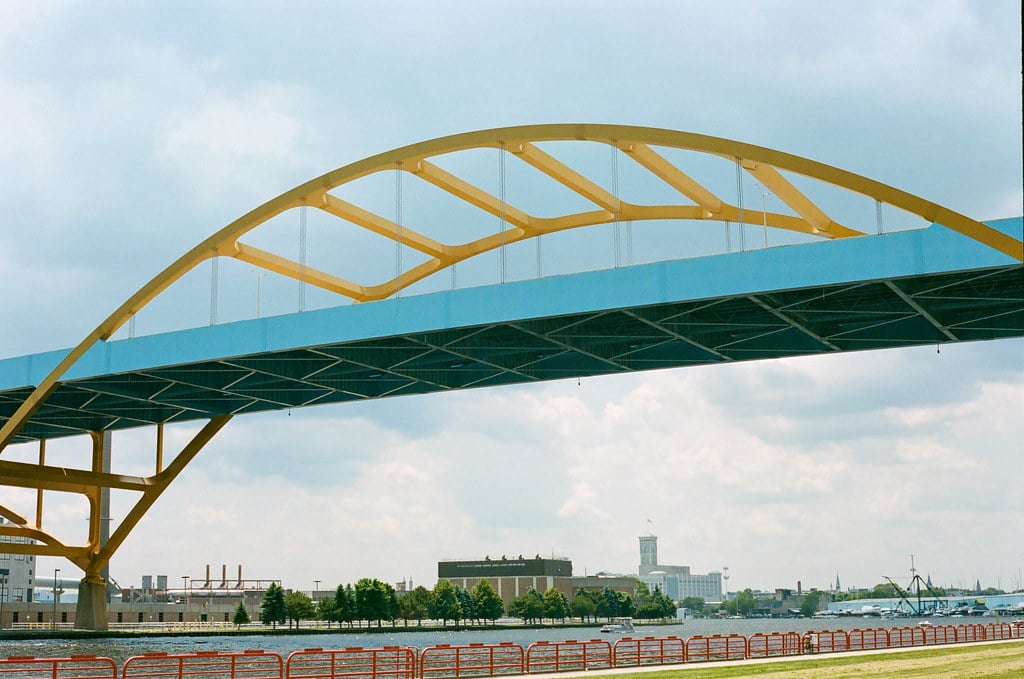
The FHWA’s December 2001 report, drawing on WisDOT, Lehigh, Northwestern University, and private consultants, confirmed the fracture was not fatigue-related.
Keep reading
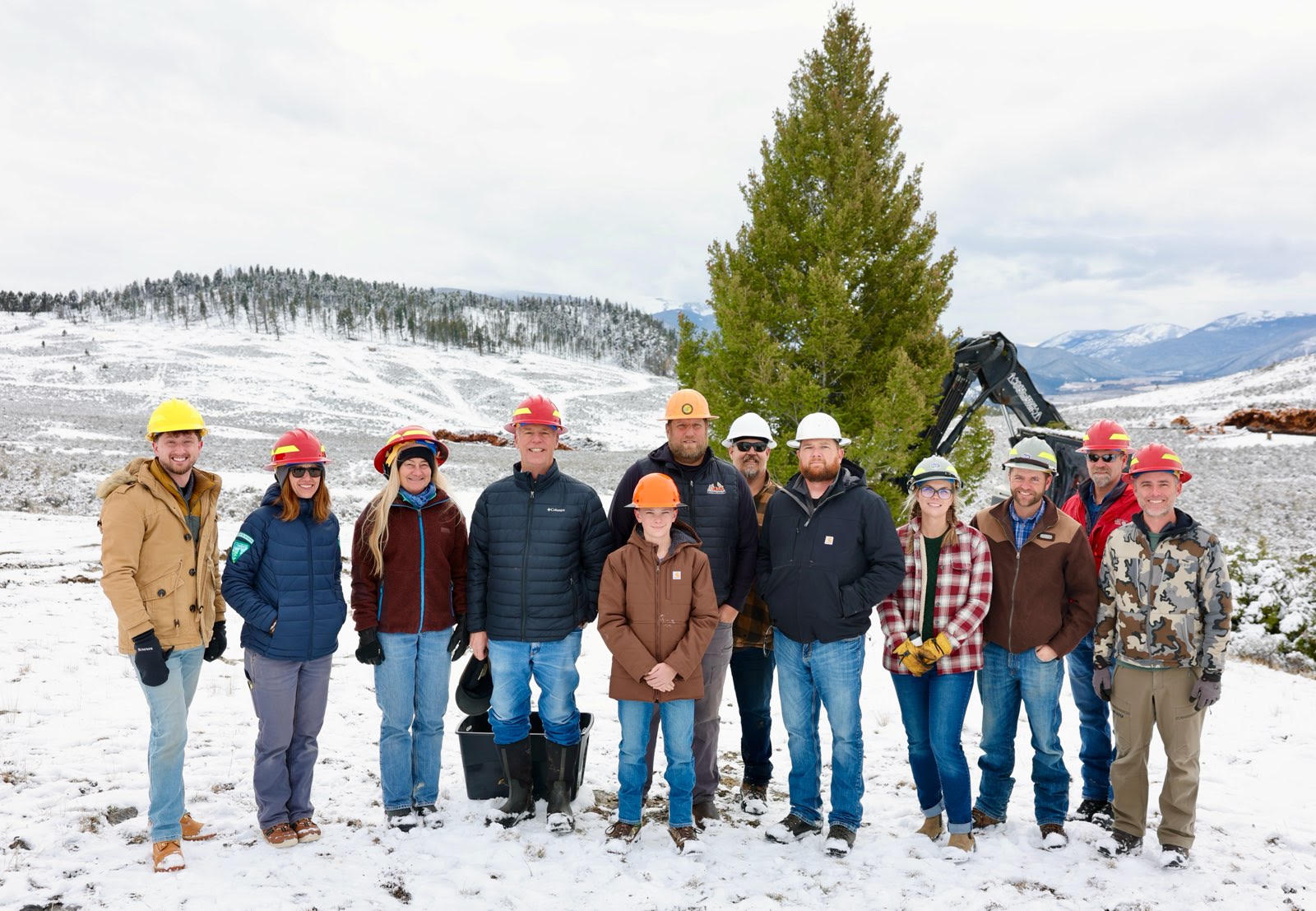
Gov. Gianforte Invites Montanans to State Capitol Christmas Tree Lighting
Governor Greg Gianforte and First Lady Susan Gianforte invite Montanans to the lighting of the 2026 State Capitol...
Frankfort at Independence Football Nov 27 2026
San Angelo Live published a game preview on November 27, 2026, for the Frankfort varsity football team's away...

Gillette Exits Wyoming Airline Subsidy Program; Four Airports Remain Covered
Gillette left Wyoming’s airline subsidy program on Jan. 1, becoming the first airport to operate without state-backed revenue...

Kansas Prepares for Oklahoma State: Players to Watch in Season Finale
The Jayhawks will conclude their season away from home with a matchup against Oklahoma State on Saturday. The...