
United Nations climate talks in Antalya, Turkey, collapsed Sunday without a final agreement after two extra days of overtime negotiations failed to bridge divisions over fossil fuel language and climate finance.
The breakdown marks the first time since Copenhagen in 2009 that a UN climate summit ended without a cover decision, the overarching political agreement meant to signal collective direction. Delegates left the Antalya Expo Center with the central cause of global warming — fossil fuels — unmentioned in the final text, and no new financial commitments from wealthy nations to help vulnerable countries adapt.
European Union climate chief Wopke Hoekstra told reporters the bloc could not accept a deal that omitted fossil fuels, calling it a step backward. “That is not acceptable,” he said. “We do that with a heavy heart with many other countries, but we simply cannot accept this.”
🌍 Are climate promises translating into action? At #COP31, countries launched a new global progress check as divisions persist over finance, fossil fuels and a just transition. With time running out, cooperation is crucial.https://t.co/IZoE92ynEm
- The EU, Panama, the Marshall Islands and others rejected the final draft for deleting all fossil fuel references.
- Developing nations objected to the absence of concrete adaptation finance figures.
- COP31 became the longest UN climate conference on record, running two days past its November 20 close.
- Next summit, COP32, is scheduled for November 2027 in Addis Ababa, Ethiopia.
Fossil fuels: the red line that held
The fault line was familiar but deeper this year. A first draft published Monday explicitly called for an “immediate transition away from fossil fuels in energy systems” — language that appeared six times. By the final draft, every mention had been stripped out under pressure from oil-producing nations, leaving only a vague reference to the 2023 Dubai agreement that had first named the problem.
Climate scientist Bill Hare, who attended the conference, said the collapse reflected rising anger rather than lack of ambition. “The main decision has been blocked by a whole bunch of countries who are very unhappy about the fact it didn't mention the transition away from fossil fuels,” he told ABC. “And it's really great to have seen a whole lot of countries stand up and say no to fossil fuel interests.”
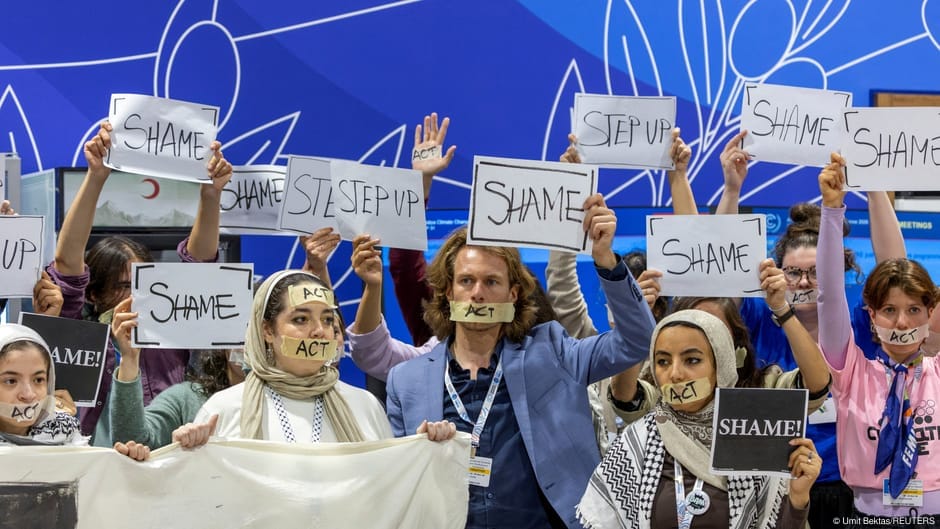
Finance gap widens as adaptation needs climb
The second fracture was money. The final text proposed “an implementation pathway for tripling adaptation finance by 2035” but named no baseline figure. It acknowledged developing countries need $300 billion annually for adaptation through 2035, while the UN estimates needs will reach $305 billion per year by 2030.
In 2024, wealthy nations delivered about $136.7 billion in climate finance — well short of the need. Earlier this year, countries requested $2.8 billion for loss and damage; only $342 million was available. At COP31, just $142 million in new pledges materialized.
🌍 Calls for a stronger climate deal intensified as #COP31 reached its final scheduled day. Countries across regions demanded explicit action on fossil fuels and stronger climate finance. Read the report from Antalya 👇https://t.co/hrgsH3Zfb9
Developing states blamed the EU and other wealthy nations for refusing to scale up financing. The EU is the largest provider of climate finance but resisted new adaptation targets.
Electrification target survives as lone bright spot
One proposal gained broad support outside the main agreement: a target to increase electricity’s share of total final energy consumption from about 21% today to 35% by 2035. Nearly 100 countries signed on, and more than 90 backed the goal formally. Analysis suggests it could significantly cut fossil fuel use, but it was not enough to salvage the overarching deal.
“Overall, Canada was missing in action at the climate talks,” said Tzeporah Berman, chair of the Fossil Fuel Treaty Initiative.
Pacific nations bear the weight
For Pacific island states, the failure is existential. The Marshall Islands formally objected, declaring “we will not compromise our future to benefit fossil fuel interests.” Fiji’s climate minister Lynda Tabuya addressed Australian counterpart Chris Bowen directly in the final plenary: “You have tried your utmost best, and we have seen it. Your door has always been open. This work is hard… The failure here is not yours to carry. It is the responsibility of all parties.”
Bowen, who co-led negotiations with Turkey’s Murat Kurum, called the outcome “very disappointing” after three sleepless nights of talks. UN Secretary-General António Guterres said he was “deeply disappointed” but insisted “there is no ambiguity in the science” and urged faster action.
Civil society condemns outcome as leadership failure
Mohamed Adow of Power Shift Africa called the conference the worst ever COP and said its collapse must serve as a wake‑up call for the world. Rukiya Khamis of 350.org told Common Dreams that with no progress on finance, the COP31 co-presidency of Türkiye and Australia is handing the incoming COP32 presidency the wreckage of their failed leadership.
Now that #COP31 has concluded, I want to send a message to civil society, young people, Indigenous Peoples, scientists & frontline communities: Keep spreading the facts. Keep demanding #ClimateAction. Keep turning up the heat. Hold governments and companies to account.… pic.twitter.com/Nvsp2FOHeh
Ann Harrison of Amnesty International agreed that governments must now deliver what COP31 failed to provide, while Ani Dasgupta of the World Resources Institute labelled the hollow outcome a failure of political leadership, not of the Paris Agreement.
Denise Cauchi of Climate Action Network Australia said the presidency had “failed to broker an agreement” and “caved” to the hundreds of lobbyists pushing for carbon capture and storage technology to be promoted in the pact.
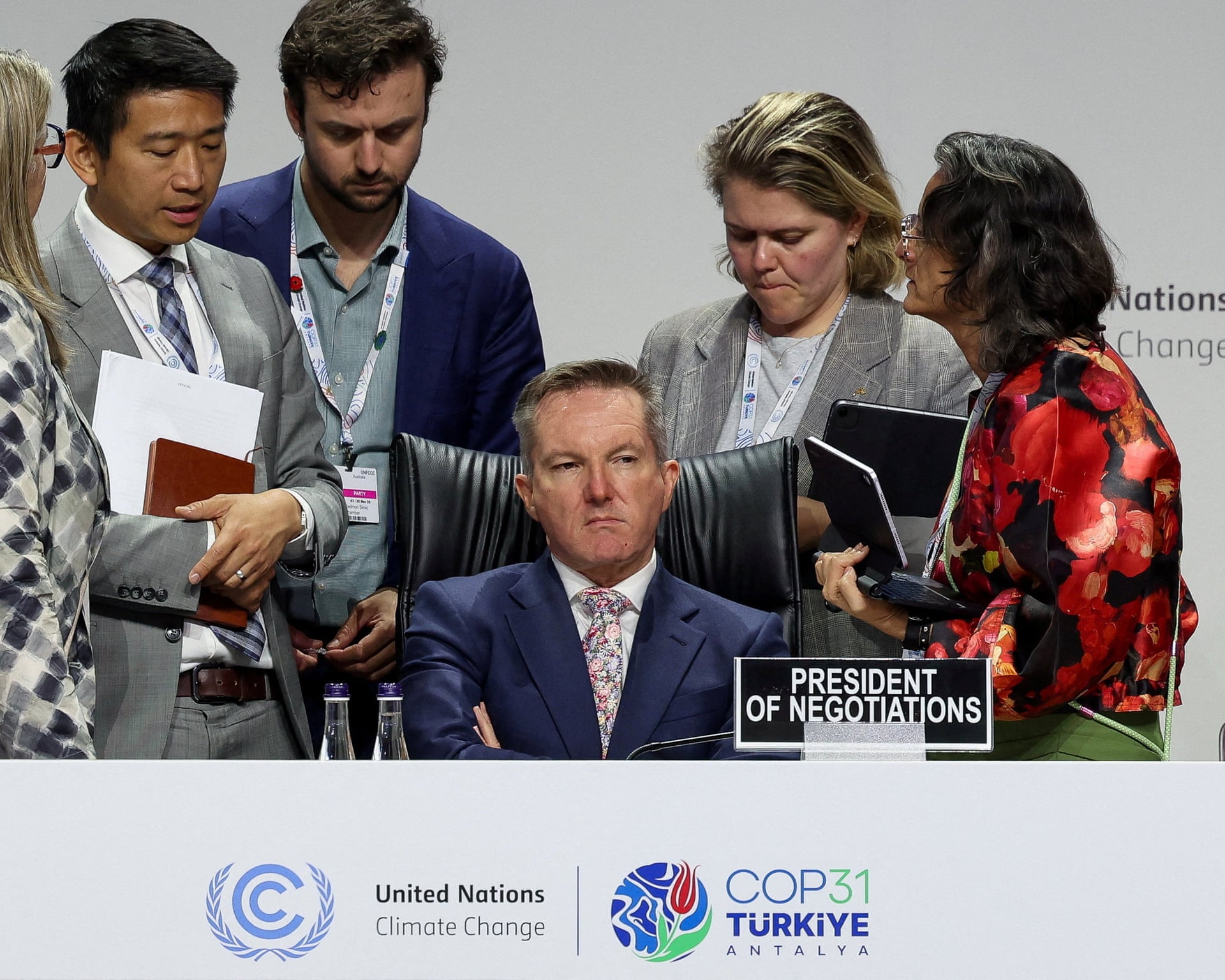
Harjeet Singh, a veteran COP negotiator and founding director of Satat Sampada Climate Foundation, told CNN that “you cannot solve a fossil fuel crisis by pretending we don’t need to phase out fossil fuels.”
Opposition and vulnerable nations react sharply
Australian opposition Shadow Energy Minister Dan Tehan called on Chris Bowen to resign, saying the lead negotiator is personally responsible for what he termed a catastrophic diplomatic disaster, according to ABC News. Vanuatu’s climate minister Ralph Regenvanu said carbon capture and storage “had been singled out for special attention that it doesn’t deserve,” as noted by DW.
The Marshall Islands formally objected to the cover decision, declaring they would not compromise their future to benefit fossil fuel interests, a statement carried by multiple outlets.
Former Irish president and COP veteran Mary Robinson told The Guardian that recognition of the dangers of overshoot should have shaken leaders into action, but instead COP31 saw a shameful lack of urgency and leadership. UN Secretary-General António Guterres warned the world cannot afford a repeat of this moment and urged countries to learn lessons from Antalya, according to UN News.
I'm deeply disappointed that #COP31 has ended without consensus on an overarching outcome. I share the very profound frustration of all those who expected governments to rise to the moment the climate crisis demands. But this setback does not change the facts. There may be no… pic.twitter.com/SBMZPpfU5l
What comes next: Bonn and Addis Ababa
Negotiators will regroup at the June talks in Bonn, where countries must rebuild trust and lay groundwork for COP32 in Addis Ababa, Ethiopia, scheduled for November 8–19, 2027. Ethiopian foreign minister Gedion Timothewos, who will preside, said his country aims to “restore hope, rebuild trust and mobilize collective action.”
European Commissioner for Climate, Net Zero and Clean Growth Wopke Hoekstra drew a red line in Antalya, declaring the EU “cannot accept a deal that omitted fossil fuels” after the final draft stripped every mention of a transition away from them.

A former Dutch Minister of Finance (2017–2022) who led the “New Hanseatic League” of northern states insisting on fiscal discipline, Hoekstra brought that same hard-nosed credibility to the climate portfolio he assumed in September 2023, framing the fossil fuel phase-out as a non-negotiable baseline rather than a bargaining chip.
UN climate chief Simon Stiell acknowledged the process had “suffered setback before and come back stronger” — citing Paris after Copenhagen — and insisted it “must do so again.” But the consensus mechanism that gave every nation a veto also gave petrostates the power to erase the central cause of the crisis from the final text.
Oil states have been hijacking these talks for 30 years. What's new is a line in the sand has emerged where countries have said enough is enough. As one nation's resistance to fossil fuel phase-outs meets a growing global resolve to finally secure meaningful climate action.
Keep reading

Iran Unveils New Missile City, Dual Launcher
Iran's Revolutionary Guard Corps unveiled a new underground missile facility and a dual liquid-fuel launcher on Saturday…

Russian Corvette Hit in Suspected Ukrainian Drone Strike at Benghazi, Officials Say
A Russian navy corvette erupted in flames at Benghazi naval base on Sunday after what Libyan officials and...
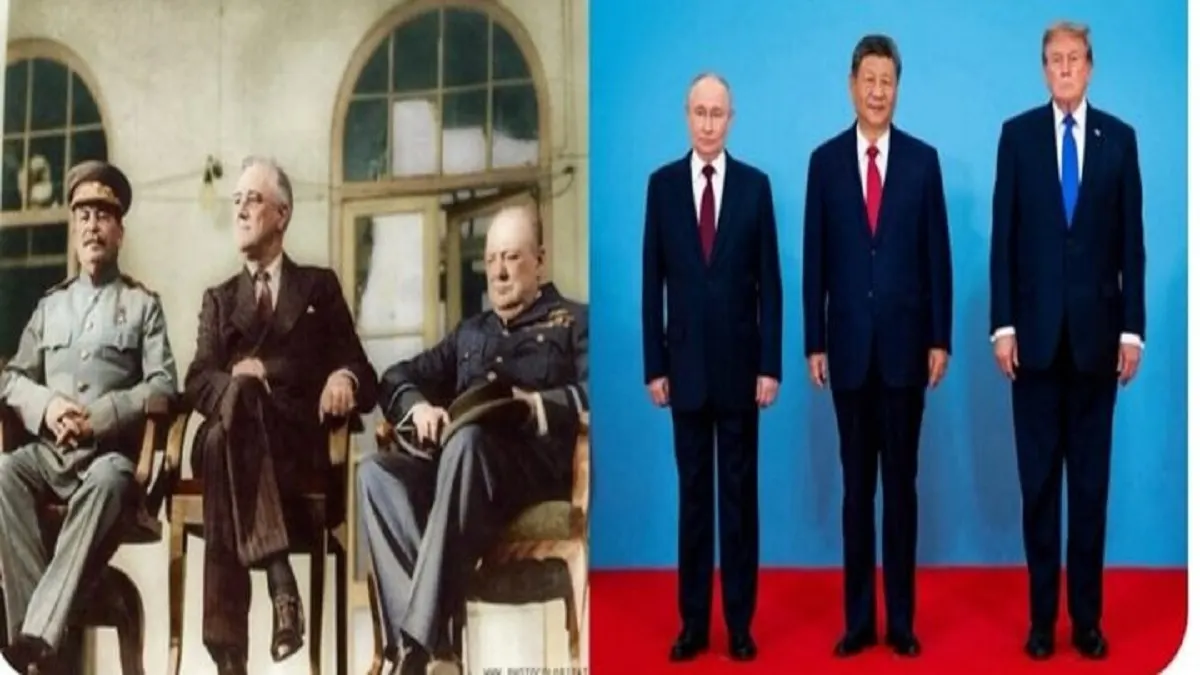
Iran Dismisses Trump Yalta Comparison as Delusion, Yemen Strikes Saudi Targets
Iran's top security official dismissed President Trump's historical comparison as delusion on Sunday, declaring the United States a...

UN Talks Agree Two-Year Process to Negotiate Autonomous Weapons Rules
United Nations talks in Geneva ended Saturday with 128 countries agreeing to spend two more years discussing rules...