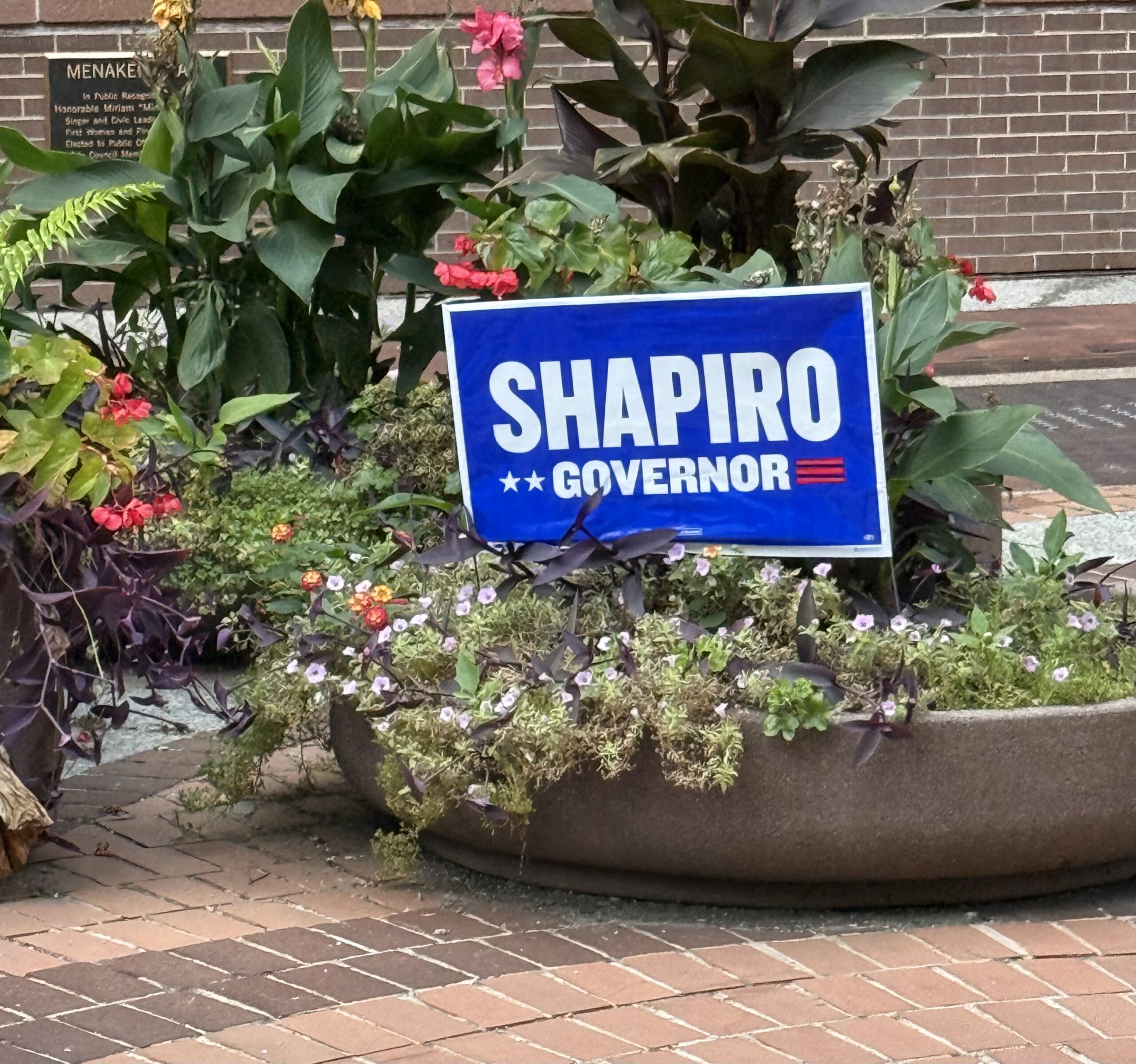
Voters in Harrisburg signal strong support for Governor Josh Shapiro
As voters in Pennsylvania’s state capital head to the polls, the political momentum appears to be leaning heavily toward the incumbent. Residents living near the Pennsylvania state capitol complex expressed a clear preference for re-electing Democrat Josh Shapiro, according to reporting from the Baltimore Post-Examiner. This local sentiment mirrors broader polling data, which currently shows Shapiro leading his Republican challenger, State Treasurer Stacy Garrity, by more than 20 points.
The stakes for this election extend far beyond the governor’s mansion. Pennsylvania remains one of the most critical swing states in the nation, wielding 19 electoral votes that can shift the trajectory of federal power. While the state capital of Harrisburg is a Democratic stronghold, the surrounding political landscape is a complex patchwork of competing interests and shifting loyalties.
For many residents, the choice comes down to a fundamental disagreement over economic management and the direction of the state. While Shapiro enjoys a significant lead, the race highlights the deep-seated divisions within the Commonwealth, particularly as voters weigh the impact of inflation and the rising cost of living against the performance of current leadership.
Economic anxiety and the shadow of federal politics
The political climate in Harrisburg is inextricably linked to the national stage. For many lifelong residents, the decision to support Shapiro is a reaction to the current administration in Washington. Jeffrey Washington, a 69-year-old maintenance worker and lifelong Harrisburg resident, told the Baltimore Post-Examiner that he views Democratic leadership as a prerequisite for stability, citing the balanced budget achieved during the Clinton administration as a benchmark for economic health.
We’re making serious investments in Harrisburg’s future. Today, I introduced Harrisburg Works for All of Us — $64 million in targeted investments to help improve infrastructure, develop underused properties, revitalize public spaces, reduce homelessness, support small… pic.twitter.com/m3WTaWxG5S
Conversely, Washington expressed sharp criticism of the current second term of President Donald Trump, describing recent foreign policy decisions—specifically regarding military targets in Iran—as “out-and-out-insanity.” This frustration with the federal executive branch appears to be a driving force for Democratic voters in the capital. However, the Republican platform finds its footing in the support of candidates like Garrity, 62, who is a staunch supporter of President Trump. The influence of the president remains a potent factor; Trump won Pennsylvania by approximately two percentage points in 2024, even as his current approval ratings hover in the mid-thirties.
The economic tension is not just about ideology; it is about the daily reality of the kitchen table. Recent polls suggest that inflation and the cost of living are the primary concerns for a vast segment of the electorate. This economic pressure creates a volatile environment where even popular incumbents must constantly defend their records against the rising costs of housing and basic goods.
“Nobody would make a good president because they are all out for themselves.”
This cynicism, voiced by Washington when asked about Shapiro’s potential as a 2028 presidential candidate, reflects a broader disillusionment that transcends party lines.
A divide over social services and local infrastructure
While national politics dominate the headlines, the granular details of state governance are what define the lived experience for many Pennsylvanians. The debate over Shapiro’s efficacy often turns to how the state treats its most vulnerable populations. Pam Auer, 56, a human services coordinator for local nursing homes, noted that while she supports the governor for his advocacy regarding the rights of individuals with intellectual and developmental disabilities, there is still significant work to be done for those with physical and sensory disabilities.
Similarly, 23-year-old student Zyaire C. expressed concern over the actions of Immigration and Customs Enforcement (ICE) and the treatment of both citizens and immigrants, suggesting that Shapiro’s leadership is a necessary safeguard for vulnerable communities.
However, the Democratic platform is not without its critics in the capital. Aseelah Cleveland, 44, opted to vote “straight Republican,” citing a lack of progress regarding the state’s homeless population and the acute housing shortages plaguing cities like Harrisburg. This perspective highlights a critical gap in the perceived success of current policies: even when a governor is popular, the localized failures in urban infrastructure and social safety nets can drive voters toward the opposition.
The issues are not always high-minded social theories; sometimes, they are as practical as the ability to park a car. Rev. James Smith, 56, a Roman Catholic priest in Harrisburg, noted that the city’s parking situation—managed by the private-public entity SP+ Municipal Services rather than the city itself—is “crushing the state capital.” For many, the effectiveness of a governor is measured by the ability to solve these systemic, everyday frustrations.
The battle for the surrounding districts
The dominance of Democrats in Harrisburg does not mean the state is a monolith. The capital sits within a congressional district represented by Republican Rep. Scott Perry, a conservative known for his previous role as chairman of the House Freedom Caucus. Perry is currently locked in a highly competitive race against Democrat Janelle Stelson, a former television reporter. Shapiro has actively engaged in this contest, both endorsing and campaigning for Stelson.
The outcome of these local races, combined with the gubernatorial contest, will determine whether Democrats succeed in their goal of taking control of both the House and the Senate. With Pennsylvania not having elected a Republican governor since Tom Corbett in 2011, the current election serves as a referendum on whether the state’s political identity is shifting permanently or if the Republican surge seen in 2024 is poised to reclaim the executive branch.
Related reading

10 Promising Bootstrapped Startups in Europe to Watch in 2026
The Rise of the Self-Funded European Tech Sector The traditional venture capital model in Europe is facing a...

Cheyenne Officials Divided Over Proposed Data Center and Construction Regulations
Cheyenne Officials Clash Over Rapid Data Center Expansion The Cheyenne Public Services Committee moved forward with proposed amendments...
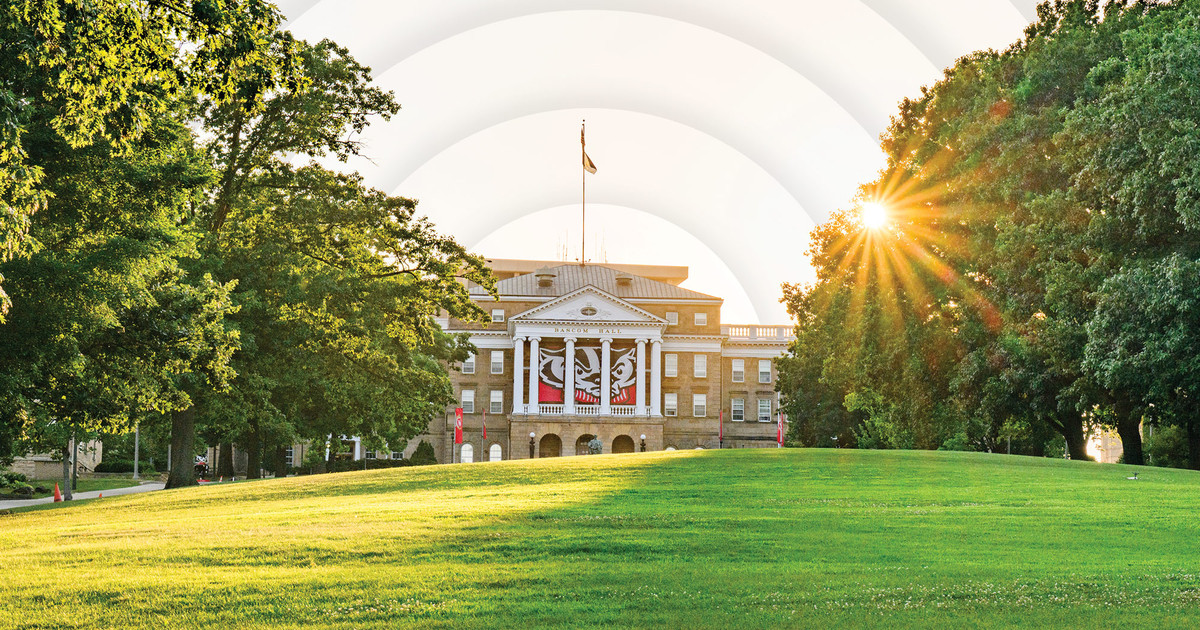
UW-Madison Named a Top Best Value College by Princeton Review
UW–Madison climbs to No. 11 for best value among public universities The University of Wisconsin–Madison has secured a...

West Virginia Wesleyan beats Charleston 42-13
West Virginia Wesleyan Pulls Away for 42-13 Victory Over Charleston West Virginia Wesleyan College took control of the...