
A landmark Harvard study of 110,000 Americans has revealed that the variety of exercise, not just the volume, is linked to a longer life. The research, published in January 2026 by scientists at the Harvard School of Public Health, found that over a 30-year period, people who engaged in a greater variety of exercise were 19 per cent less likely to die compared to those who stuck to one type of activity.
The study followed 110,000 individuals for three decades, analyzing their exercise habits and health outcomes. Researchers discovered that mixing different types of exercise, such as running, resistance training, and yoga, conferred greater rewards than performing a single activity exclusively. For example, a twin who exercised for six hours a week by splitting their time between running, weightlifting, and yoga was found to be more likely to outlive a twin who spent all six hours running.
Distinct Health Benefits from Different Activities
Dr Yang Hu, lead author of the study, explained that different types of activities may confer distinct health benefits. “A working theory is that different types of activities may confer distinct health benefits,” says Dr Yang Hu. “An example is that strength training and aerobic activities focus on improving different domains of body health and may have different effects on lipids, blood pressure and insulin sensitivity.” This variety in exercise was associated with a lower risk of dying from major causes like cardiovascular disease, cancer, and respiratory disease.
Activities Lower Mortality Risk
The research also analyzed the impact of individual activities. People who did the most walking had a 17 per cent lower risk of mortality compared to those who did the least. Similarly, experienced runners had a 13 per cent lower risk of mortality than those who ran the least. The study reported similar positive effects for resistance training, jogging, rowing, and tennis, while swimming and cycling appeared to have more modest effects.
Not a Single ‘Best’ Exercise
One of the key findings is that there isn’t a single “silver bullet” style of exercise for prolonging life. The study, which was observational rather than a randomised controlled trial, suggests that a mix of activities is most beneficial. “Our data and most other population-based studies have consistently shown that the health benefits of physical activity are long-term and cumulative,” says Hu. Variety in exercise not only improves overall health but also helps people stay motivated by keeping their routines interesting.

Julie Andrews credits lifelong learning for staying sharp at 91
Julie Andrews, 91, Swears by One Habit Linked to 18% Lower Dementia Risk At 91, Julie Andrews feels...
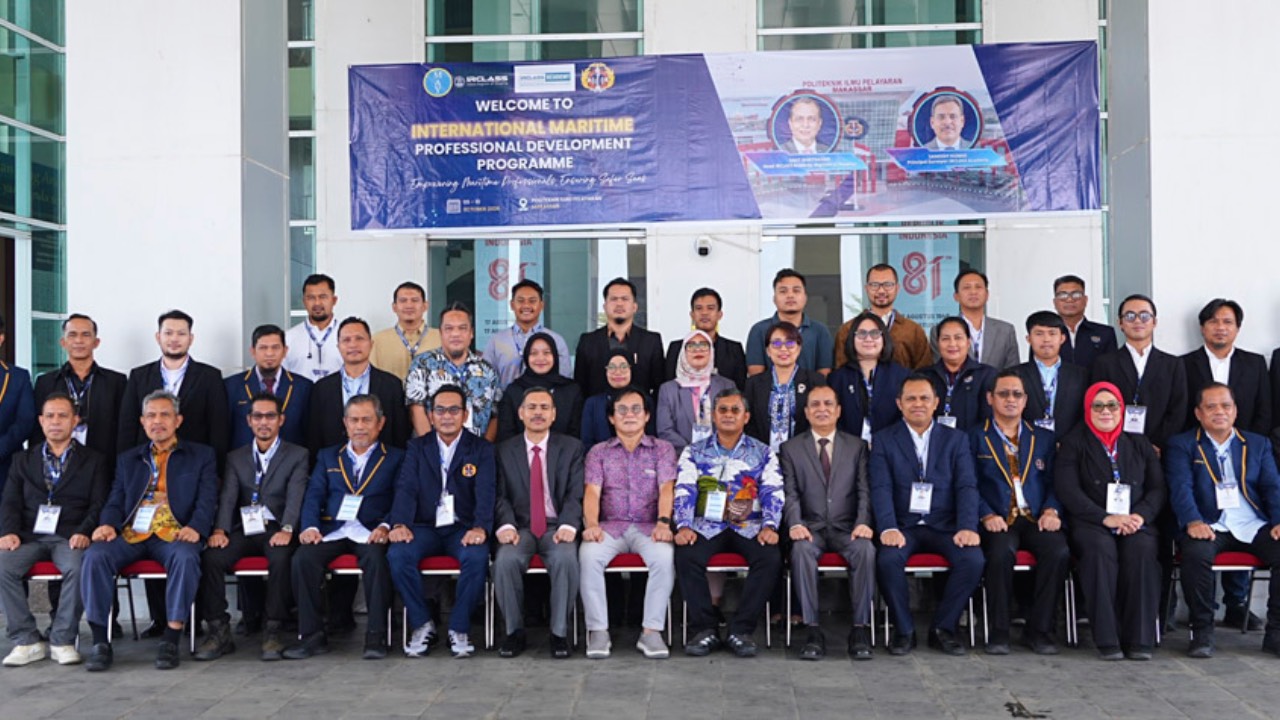
IRClass Academy and PIP Makassar Enhance Maritime Capability Through IMPDP 2026
IRClass Academy and PIP Makassar have enhanced executive maritime capability through the successful conclusion of the International Maritime...

Report: Taking Vitamin D and Omega-3 Together
Taking vitamin D and omega-3 fatty acids together may improve the absorption of the fat-soluble vitamin and offer...

Man Dies in Workplace Accident at Carlow GAA Grounds
A Man in His 50s Dies After Gate Falls at Carlow GAA Grounds A man in his 50s...