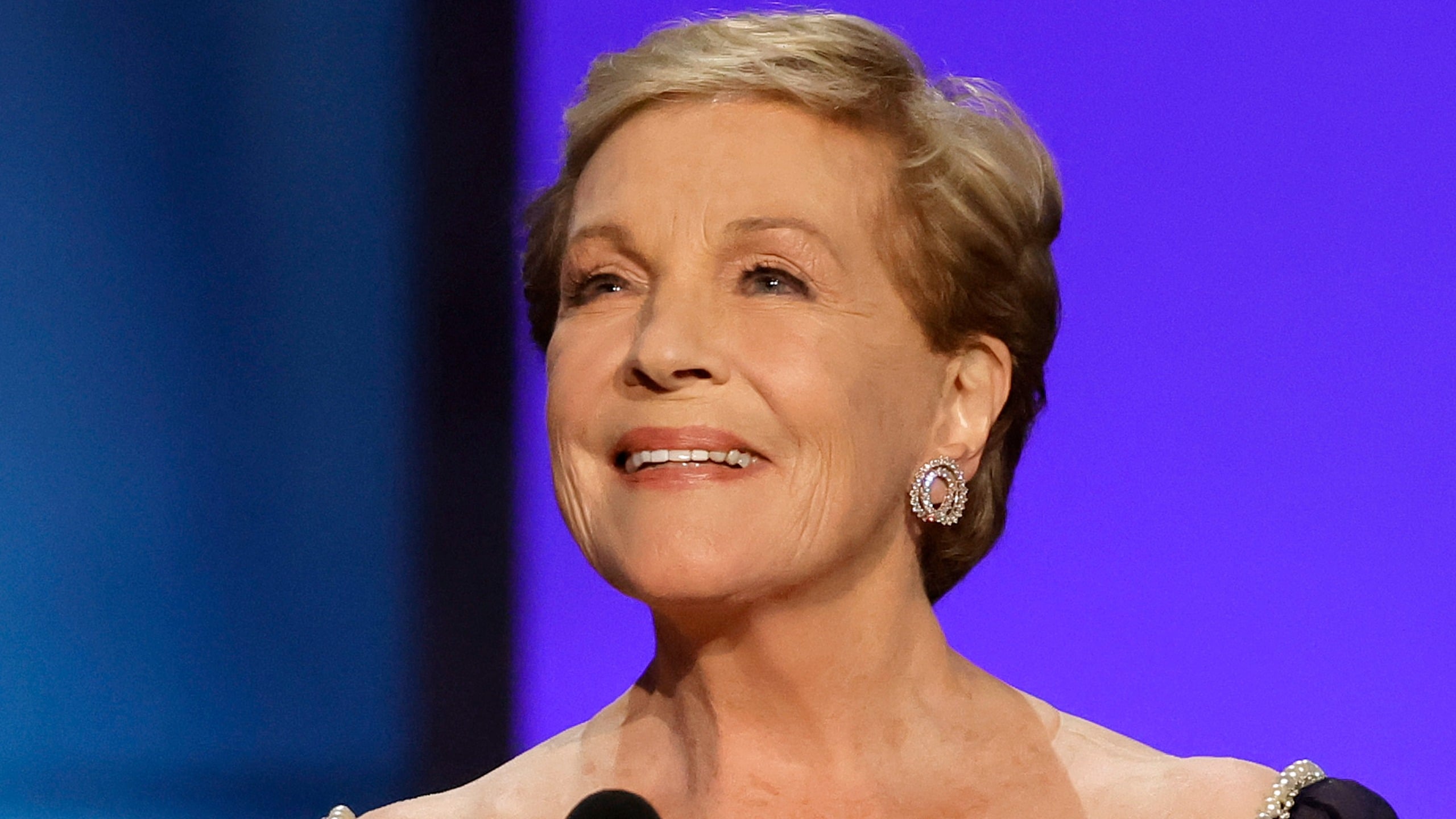
Julie Andrews, 91, Swears by One Habit Linked to 18% Lower Dementia Risk
At 91, Julie Andrews feels more like she’s in her 50s. The legendary star of Mary Poppins and The Sound of Music, who continues to work creatively at age 91, credits her approach of keeping her brain alive to a lifelong habit of learning, as she told Julia Louis-Dreyfus on her podcast Wiser Than Me at age 88: “As long as the brain holds out, I’m doing okay.”
Andrews, who retired from on-screen acting but continues voice work and writing, told InStyle she keeps creating to stay sharp.
What Happens When We Stop?
A 2023 study discovered that cognitive function declines at an accelerated rate immediately after retirement. The research doesn’t prove retirement causes the decline, but the association is strong.
“Our multiskill intervention may provide broad cognitive gains, akin to the benefits experienced earlier in the life span.”
2023 Study Authors, UC Riverside
In a 2023 study, she had older adults learn three new skills—like Spanish, drawing, or music composition—over three months. At the end of the trial, their cognitive performance was on par with a separate cohort of much younger adults.

The Power of a Lifetime of Learning
Andrews’ own story illustrates this principle. She credits her father, a lifelong learner who studied a new language at age 76, for instilling in her a love of books and writing.
A recent study published in the journal Neurology followed nearly 2,000 older adults from Illinois for eight years. Those who frequently engaged in cognitive activities throughout their lives—reading books, visiting libraries, learning languages, using dictionaries—showed significantly better outcomes. A higher lifetime score for cognitive enrichment was linked to a 38 percent lower risk of Alzheimer’s disease and a 36 percent lower risk of mild cognitive impairment. It also delayed the onset of cognitive decline by up to seven years.
These findings support the concept of a “cognitive reserve”—the idea that the brain, like a muscle, builds resilience through exercise. The more you challenge it over the decades, the more protected it is from age-related decline. A 2024 Norwegian study reinforced this, finding that people with a history of cognitively stimulating jobs in their 30s, 40s, 50s, and 60s had a lower risk of mild cognitive impairment and dementia in their 70s.
The stakes are enormous. The 2024 Lancet Commission estimates that around 45 percent of dementia cases worldwide can be prevented or delayed through lifestyle changes and other interventions. Working with language, in particular, seems to be especially potent for the aging brain.
The Devil’s Advocate: Is It All Just Correlation?
Could it be that people who are more cognitively capable are simply the ones who are able to work into later age and pursue new hobbies? The studies show association, not causation. A person’s underlying biology or genetics could be the driving force, meaning the stimulating activities might be a symptom of a healthy brain, not the cause of it.
Still, the evidence is compelling enough that many experts believe it points to a genuine benefit. The fact that introducing new skills later in life can boost cognition, as seen in Wu’s study, suggests that it’s never too late to start building that reserve.
As one 2019 study from the University of Leicester, published in Mayo Clinic Proceedings, found, another lifelong habit of Andrews—brisk walking—also has benefits. The study of nearly 475,000 adults found that women who identified as brisk walkers had a life expectancy of 86.7 to 87.8 years, compared to 72.4 years for slow walkers. While observational, the correlation is significant and aligns with her own, long-standing morning routine of movement, which has evolved from intense stage workouts to gentler yoga and ballet.
Worth a look

Experts Warn of Risks in ‘Sun, Sea and Surgery’ Cosmetic Tourism
A Record Half a Million Seek Cheap Surgery Abroad, Ignoring Life-Altering Risks The numbers are staggering. In 2024,...

Indonesia defends climate goals as fire emissions soar
Indonesia's Climate Strategy in Flames as Global Summit Nears Less than a week before the world’s nations gather...

Harvard Study Links Exercise Variety to Longer Life
A landmark Harvard study of 110,000 Americans has revealed that the variety of exercise, not just the volume,...
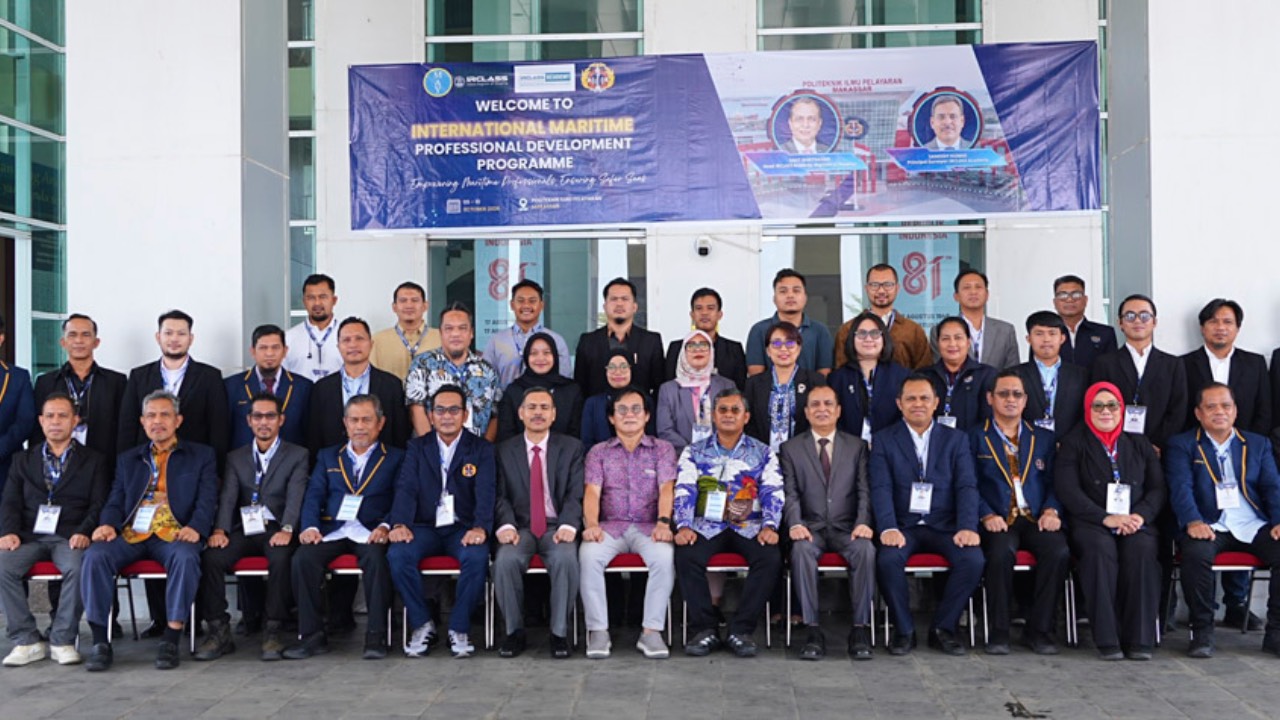
IRClass Academy and PIP Makassar Enhance Maritime Capability Through IMPDP 2026
IRClass Academy and PIP Makassar have enhanced executive maritime capability through the successful conclusion of the International Maritime...