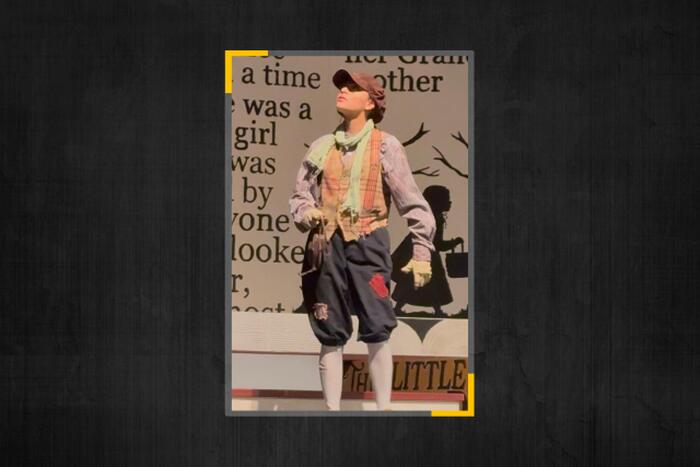
A Texas Teenager Sues After Being Benched From a Male Lead Role
“That is a sex-based personnel decision — an exclusion of a person from an educational program because of her sex — not a legitimate content or curricular judgment.”
That is the core argument driving a federal lawsuit filed by 17-year-old Ana Mota against the Grand Prairie Independent School District. The North Texas high school senior is taking her school system to court after administrators pulled her from a campus theater production of Little Shop of Horrors because she is female and the character she earned is male. The legal challenge sets up a high-stakes clash between federal Title IX protections and Texas’s controversial Senate Bill 12, a sweeping statute enacted last year that restricts diversity, equity, and inclusion practices alongside instruction touching on gender identity and sexual orientation in public schools.
Auditioning Best, Then Hearing No
Mota went through standard auditions and was selected by campus theater faculty for the role of Seymour, the quirky floral assistant who accidentally raises a human-eating plant. According to the complaint, faculty chose her because she was simply the best fit for the part. But one week into rehearsals, district leadership stepped in. Administrators notified theater staff that the teenager could not portray a male character, publicly attributing the decision to Senate Bill 12.

District officials offered Mota a reassignment to another role, one she would have had to share with a peer and for which she never auditioned. When she declined, the entire musical production was canceled. Students at the campus will instead perform Frozen. Mota’s parents, Nancy Jimenez-Mota and Rafael Mota, attempted to contact district officials for clarification on which specific provisions of Senate Bill 12 the play would violate. The lawsuit alleges that administrators never responded.
Title IX Claims Face Off Against State Law
The lawsuit asks a federal judge to bar Grand Prairie ISD leaders from discriminating against Mota on the basis of sex and to reinstate the canceled production, which had been scheduled for December 10. The legal filing contends that the district is violating federal Title IX protections, which bar schools from excluding students from educational programs on the basis of sex. Furthermore, the complaint argues that none of the key provisions in Senate Bill 12 prevent a female student from portraying a fictional character on stage, asserting that the district overstepped and undermined parental authority.
Grand Prairie officials declined to comment on the pending litigation. As the case moves forward in federal court, the outcome could establish crucial boundaries for how Texas school districts interpret broad state restrictions when they intersect with traditional extracurricular activities and federal civil rights laws.
Worth a look

AI for personal finance: Can you trust artificial intelligence to manage your investments? What investors must know – Livemint
As retail investors increasingly turn to automated algorithms for market research and portfolio tweaks, a sharp divide has...

Student Ambassador Life at Western Wyoming College
In a first-person essay published by westernwyoming.edu, graduating student ambassador Tara Countryman reflects on her undergraduate experience, detailing...

Federal loan could fund Wisconsin natural gas and battery storage projects
Wisconsin ratepayers could see $400 million in savings over the life of a massive federal loan package finalized...
Legislature Completes Action on Small Business Growth Act
The West Virginia Legislature completed action on Senate Bill 1, known as the Small Business Growth Act, sending...