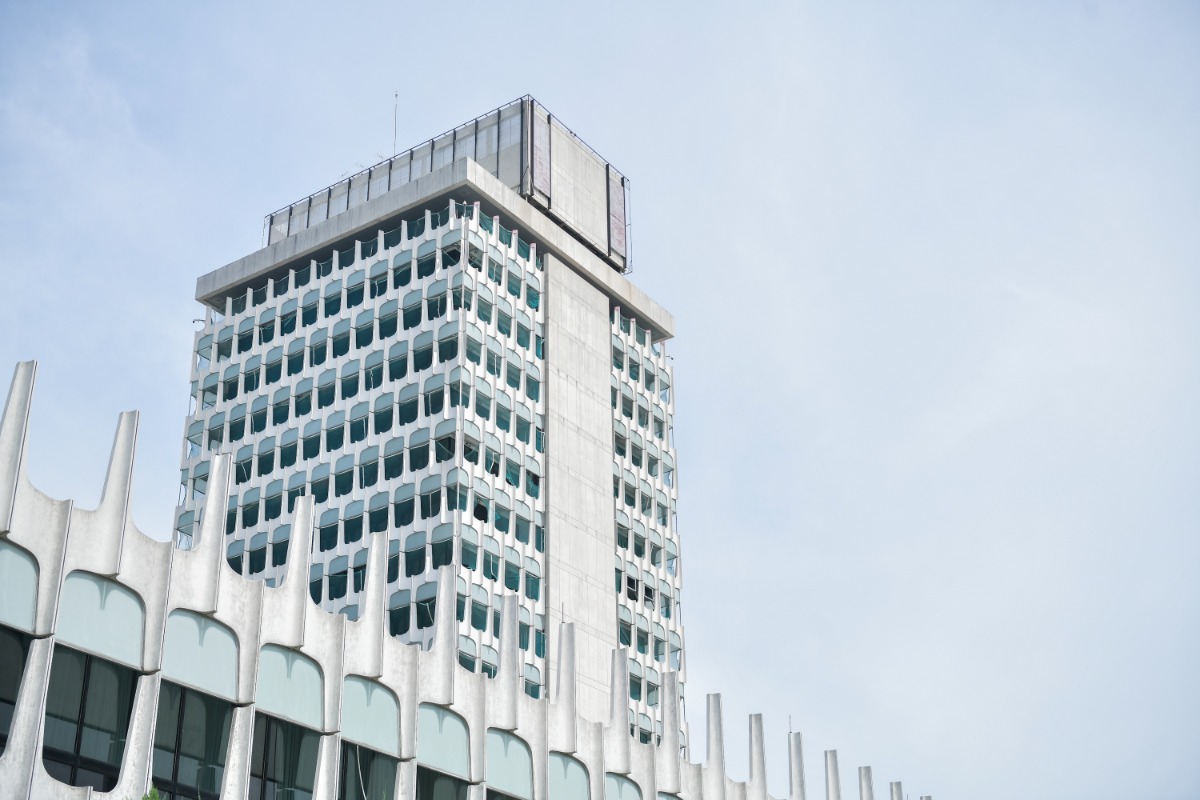
Malaysia’s sweeping fiscal roadmap cleared its initial parliamentary hurdle on Thursday as the Dewan Rakyat passed the Supply Bill 2027 at the policy stage following a voice vote, according to reporting from The Edge Malaysia. The vote arrived directly on the heels of a winding-up speech delivered by Finance Minister II Datuk Seri Amir Hamzah Azizan, setting up a grueling three-week committee stage debate slated to run from November 2 through November 26.
The Arithmetic of a RM459.8 Billion Blueprint
Tabled initially on October 9 by Prime Minister Datuk Seri Anwar Ibrahim—marking his fifth budget since the unity government’s formation in 2022—the financial plan is anchored by the theme “Reaching for the Skies, While Anchored on Our Values.” Total federal expenditure is pegged at RM459.8 billion, representing a significant expansion from previous fiscal cycles. Of that total, operating expenditure commands RM376.8 billion, while development expenditure accounts for RM83 billion.
To balance these ambitious allocations, the federal government projects 2027 revenue at RM380.8 billion, leaning heavily on national energy giant PETRONAS, which is expected to contribute RM32 billion in dividends. Additional capital injections are anticipated across the public sector:
- Government-linked investment companies: RM25 billion
- Public-private investments: RM11 billion
- Federal statutory bodies and Ministry of Finance Incorporated companies: RM14.2 billion
Putrajaya aims to narrow its fiscal deficit to 3.3% of gross domestic product in 2027, tightening the belt from a targeted 3.6% for 2026.
Political Alignment and the Confidence and Supply Factor
The policy-stage victory was notably greased by political maneuvering outside traditional coalition lines. Malaysiakini and Free Malaysia Today reported that the budget breezed through the lower house following the government’s signing of a confidence and supply agreement (CSA) with opposition and independent lawmakers.
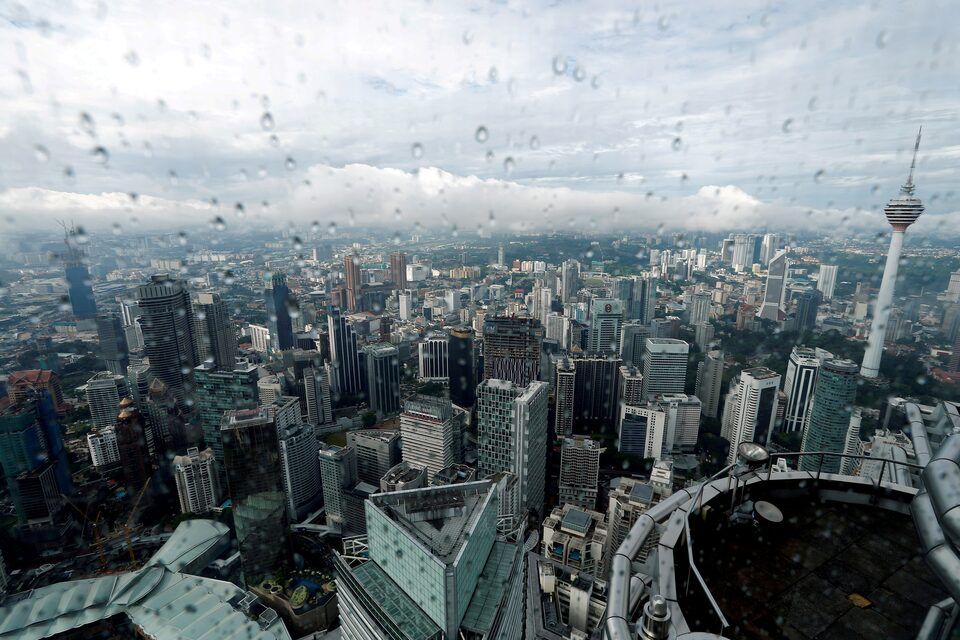
Under the terms of the CSA, these lawmakers agreed to support Anwar’s administration and the budget through the end of the current parliamentary term. In exchange, the signatories secured commitments regarding prime ministerial term limits, the separation of the roles of the attorney-general and public prosecutor, and parity in constituency development funds.
Prime Minister Anwar Ibrahim hailed the agreement as a triumph of political maturity. In a public statement reported by Free Malaysia Today, Anwar emphasized that differing views should not hamper national development. Meanwhile, critics outside the legislative chamber urged caution. The Malaysian Strategic Economy Chamber of Commerce (MSECC) cautioned that the government must look beyond short-term financial aid, pointing out that the RM16 billion allocated for Sumbangan Tunai Rahmah (STR) and Sumbangan Asas Rahmah (SARA)—up from RM15 billion—addresses immediate household pressures but fails to substitute for deep-seated structural economic reforms.
Wage Adjustments and Tax Architecture Shifts
The national minimum wage will climb from RM1,700 to RM2,000 per month effective June 2027, though micro, small, and medium enterprises with annual sales below RM50 million will receive an exemption. Concurrently, a baseline salary of RM2,500 will be introduced for semi-skilled workers and graduates.

On the fiscal front, middle-income earners will see relief. The individual income tax relief limit will lift from RM9,000 to RM12,000—the first revision since 2010. Resident tax rates for chargeable income brackets between RM70,001 and RM150,000 will drop by one percentage point. Conversely, individuals earning over RM1 million will face a raised tax rate of 30% to broaden the tax base.
Finance Minister II Amir Hamzah Azizan also addressed persistent debates regarding national taxation systems. During his winding-up speech, Amir affirmed that Putrajaya will continue refining the sales and service tax (SST) rather than reintroducing the goods and services tax (GST), rejecting proposals previously championed by alternative economic platforms.
Following the ongoing committee stage debates ending November 26, the Supply Bill 2027 will face a third reading before moving to the Dewan Negara for upper-house approval and subsequent presentation to the Yang di-Pertuan Agong for royal assent.

Why Israeli election deadlock raises prospect of yet another poll – The Irish Times
The 53-Seat Stalemate and the Fractured Knesset Israel is bracing for weeks of political uncertainty following a historic...

SMU Creates Master of Public Governance and Leadership for Asia
Singapore Management University announced the creation of a new master's degree aimed at training public leaders to manage...
Report Links Trump Business Ventures to Foreign Policy Decisions
Democracies must keep a check on leaders' conflicts of interest as US institutions fail to handle executive corruption...

North Korea Fires short-range ballistic missiles, South Korea says
North Korea fired a barrage of about 10 short-range ballistic missiles off its eastern coast into the Sea...