
Francesco Favuzzi, 74, of Hoboken pleaded guilty Tuesday to one count of mailing threatening communications, admitting he sent four letters over nearly four years to the home of the city’s then-mayor, the U.S. Attorney’s Office for the District of New Jersey said.
The letters, mailed between October 2021 and April 2025, escalated from a warning against running for office to explicit threats to bomb the mayor’s home and office, kill his family, and, in one note, “cut up” his spouse and children and “feed them to the pigs,” according to the factual basis filed with the plea.
Favuzzi entered the plea before U.S. District Judge William J. Martini in Newark federal court. The charge carries a statutory maximum of five years in prison and a $250,000 fine. Sentencing is scheduled for April 8, 2027.
The case traces a years-long campaign of intimidation. The first letter, postmarked October 6, 2021, threatened the mayor and his family if he sought re-election. A second, mailed February 25, 2022, threatened to firebomb the mayor’s home and office and kill him and his family.
The third, sent February 18, 2023, contained the graphic threat to “shoot” the mayor and mutilate his family. The final letter, mailed April 28, 2025, warned the mayor not to “take this as a joke” while threatening to bomb his office and vehicle.
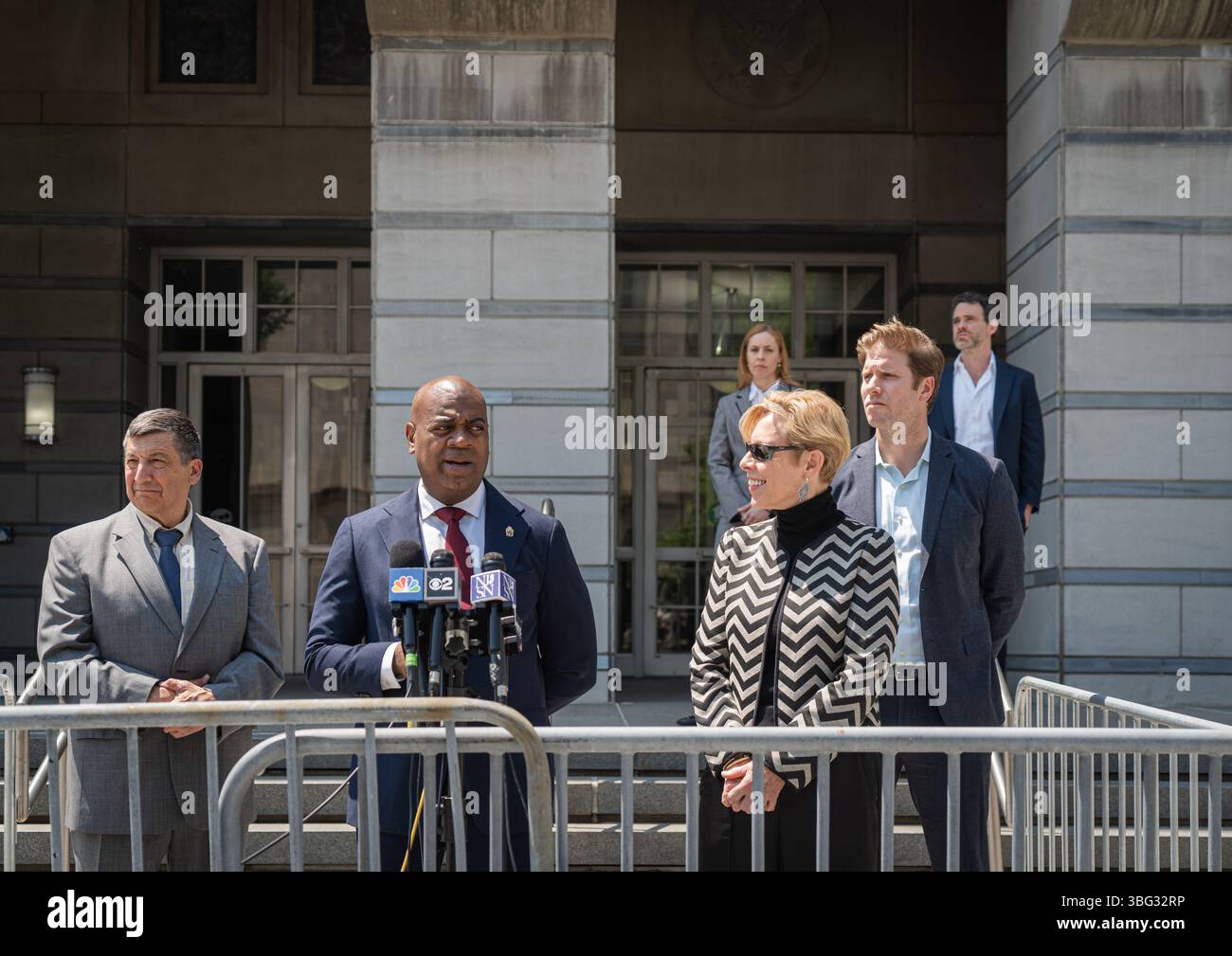
Investigators from the FBI’s Newark Division, the U.S. Postal Inspection Service, the Hudson County Prosecutor’s Office, and the Hoboken Police Department collaborated on the investigation. Assistant U.S. Attorney R. Joseph Gribko of the Criminal Division in Trenton is prosecuting the case. Defense counsel is Vincent J. LaPaglia.
The guilty plea resolves the federal case, but the sentencing date next year leaves the final penalty an open question. The maximum five-year term is a ceiling, not a prediction; federal judges weigh advisory guidelines, the defendant’s history, and the nature of the conduct before imposing a sentence.
Related reading
- Inside Bar Mar: José Andrés’ Spanish Seafood Tasting Menu & Coastal Hour at the W Nashville
- Human Movement Drove Early Spread of 2026 Bundibugyo Ebola Outbreak in DRC, Study Finds
- US judge strikes down Trump visa policy limiting foreign students to four years (newsarchyuk.com)
- Dollar General's Four Test Buys: 30 Price Errors, 21 Against the Shopper (daybreakwire.com)

Inside Bar Mar: José Andrés’ Spanish Seafood Tasting Menu & Coastal Hour at the W Nashville
José Andrés brings his Spanish maritime heritage to Nashville at Bar Mar, a seafood-driven restaurant inside the W...

Human Movement Drove Early Spread of 2026 Bundibugyo Ebola Outbreak in DRC, Study Finds
Human movement, not geography, wrote the early map of the 2026 Bundibugyo Ebola outbreak in the Democratic Republic...

Kirby Smart Calls LaNorris Sellers ‘Wow Player’ Ahead of Georgia-South Carolina Game
Georgia head coach Kirby Smart called South Carolina quarterback LaNorris Sellers a "wow player" on Monday, offering his...

Philadelphia Food as Medicine Coalition Convenes to Address 20-Year Life Expectancy Gap
Mike Cangi sat in a Boston conference room last year, listening to a panel on food and health,...