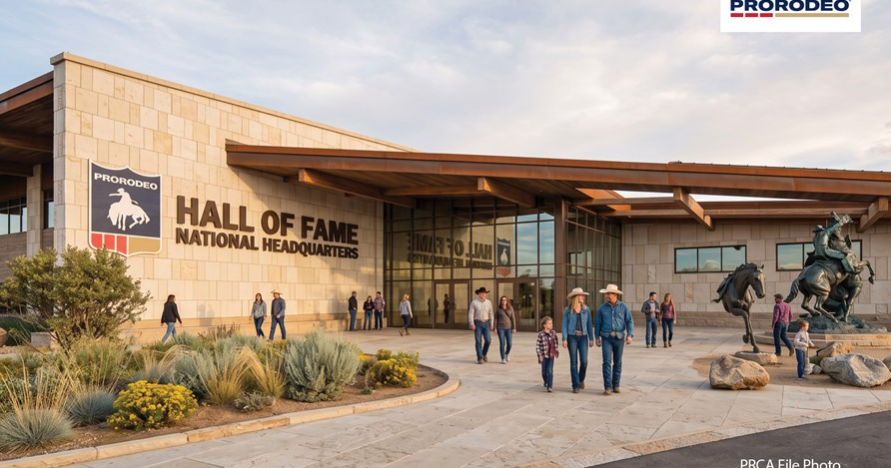
The Professional Rodeo Cowboys Association (PRCA) has finalized the exterior renderings for its new headquarters and the ProRodeo Hall of Fame in Cheyenne, Wyoming, a $70 million project designed to anchor the city’s Hitching Post District. The facility, a 69,270-square-foot complex, will serve as a functional operational hub for the PRCA, a tourist destination for rodeo enthusiasts, and a community center for local residents, with a target completion date of early 2029.
For the PRCA, this isn’t just a change of address; it’s a strategic pivot toward the next half-century. The organization has operated out of its current location for 50 years, and leadership views this move as a necessary evolution to support the next generation of cowboys, stock contractors, and fans. The project is being funded through a blend of public and private investment.
A Landmark at the Intersection of I-80 and I-25
Location is everything for a tourist-facing destination. The complex will sit at the southwest corner of Interstate 80 and Interstate 25, ensuring maximum visibility for the thousands of travelers passing through Wyoming. The design, handled by MOA Architecture—a firm with offices in Casper and Denver—emphasizes a “bright, Western-themed aesthetic” featuring a grand ranch-style entrance intended to grab the attention of drivers on the highway.
The stakes for Cheyenne extend beyond sports heritage. Betsey Hale, CEO of Cheyenne LEADS, views the campus as the cornerstone of the Hitching Post District. By creating a high-traffic destination, the city aims to leverage the PRCA’s brand to drive broader economic growth, attracting new businesses and increasing tourism revenue for Laramie County.
“What started as a vision is becoming something tangible, and it’s incredibly rewarding to see what the future home of the PRCA, ProRodeo Hall of Fame & Museum of the American Cowboy will look like,” said Betsey Hale. Betsey Hale
Infrastructure work is moving quickly. Road cuts through the site are expected to begin next month, marking the first physical transition from paper renderings to ground-breaking reality.

PRCA Invests $70 Million in Wyoming Sporting Headquarters
A $70 million price tag for a sporting headquarters in Wyoming is a significant commitment. While the PRCA and Cheyenne LEADS frame this as an investment in “Western heritage,” the success of the Hitching Post District depends on the facility’s ability to convert highway traffic into foot traffic and spending.
The PRCA is the world’s oldest and largest professional rodeo-sanctioning body. By integrating the ProRodeo Hall of Fame and the Museum of the American Cowboy into one campus, they are creating a “one-stop shop” for Western history.
The operational side of the building is equally critical. The 69,270-square-foot space must house the administrative machinery that monitors livestock welfare, manages contestant working conditions, and coordinates the complex logistics of a national rodeo circuit.

From Memorandum to Groundbreaking
The road to these final renderings was a phased legal and diplomatic process. It began in January with a non-binding memorandum of understanding to explore the relocation. By April, the momentum shifted from exploration to execution. On April 24, the PRCA Board of Directors, the Hall of Fame Trustees, and Cheyenne LEADS signed a formal Development Agreement, locking in the partnership.
PRCA CEO Tom Glause noted that while the exterior renderings are a milestone, the interior design is also nearing completion. For Glause, the project represents a long-term commitment to the sport’s viability.
“We have to look to the future, and this project will position the PRCA well for the next 50 years,” Glause said.
With the target date of early 2029, the project now enters its most volatile phase: construction. While the conceptual drawings are finished, the actual timeline for the building’s completion is still being finalized, leaving a window of several years where the city must manage the expectations of both the public and its private investors.
The PRCA has spent five decades in its previous home. Now, it is betting that a ranch-style facade at a major interstate junction is the key to keeping the American cowboy relevant in a rapidly changing economic landscape.
Related reading

Patrick Habirora Trains With GSP Ahead of PFL Dubai on Nov 14
Undefeated Belgian fighter Patrick Habirora is preparing for a co-main event bout at PFL Dubai by training in...
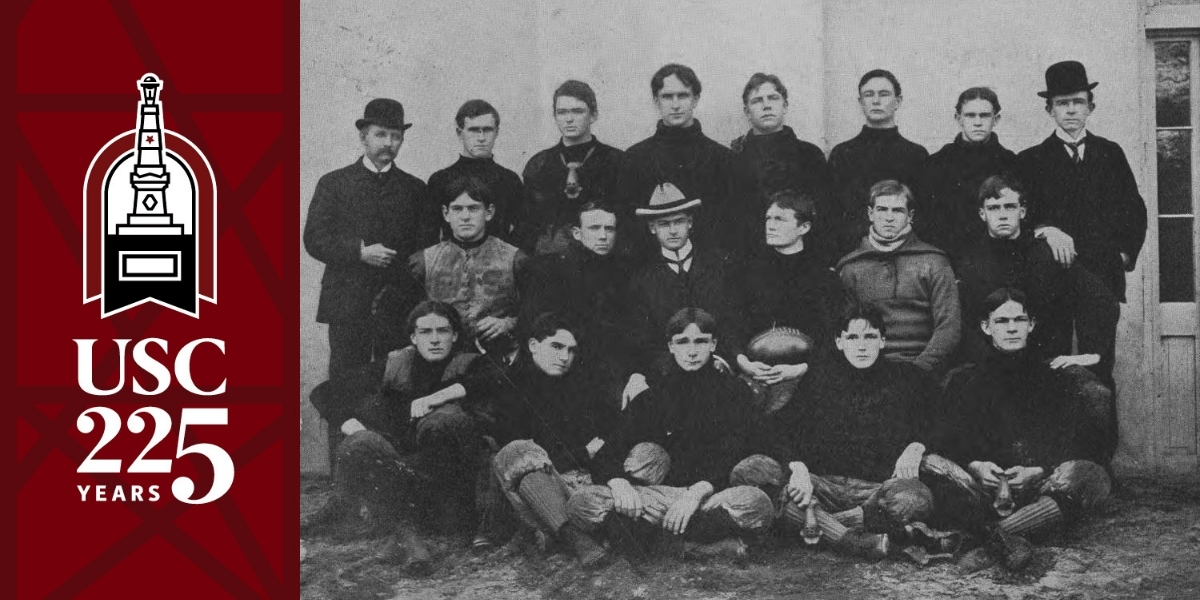
The Early History of Gamecock Football: From the College Boys to the Clemson Rivalry
Long before the roar of "Sandstorm" filled the air at Williams-Brice Stadium, the University of South Carolina's football...

Providence voters to decide on divestment initiative Tuesday
Providence voters will decide this Tuesday whether the city should pull its investments from companies and countries profiting...

Harrisburg Police Increase Patrols for Halloween Celebrations
Harrisburg Police are increasing patrols and encouraging residents to take precautions as Halloween falls on a Saturday this...