
A House committee has approved a bill to let Filipino households install “zero-export” solar and storage systems without the permits that have stalled rooftop projects for years, moving the measure toward a plenary vote.
The Committee on Ways and Means endorsed a substitute bill consolidating 19 measures — including House Bill 11459 filed by Parañaque Rep. Brian Raymund Yamsuan and versions from Speaker Faustino “Bojie” Dy III and Majority Leader Ferdinand Alexander Marcos — under the proposed Sariling Kuryente Act, the Philippine Daily Inquirer reported. “We are optimistic that the bill will gain overwhelming support from our fellow lawmakers when it reaches the plenary,” he added.
The legislation would amend the Electric Power Industry Reform Act of 2001 so that a consumer who generates and stores power solely for on-site use is not classified as a generation company. Equipment certified to prevent electricity from flowing back to the grid would not require a certificate of compliance or prior authorization from the Energy Regulatory Commission.
“A system using equipment certified under standards recognized by the ERC (Energy Regulatory Commission) to prevent the export of electricity to the distribution system shall not require a certificate of compliance or other prior authorization from the ERC,” it added.
Quimbo said the panel removed a proposed real-property tax exemption after the Department of Finance and local tax authorities objected, noting that investors already receive incentives under the CREATE MORE Act.
Residential power rates in the Philippines average $0.20 (about ₱11.50) per kilowatt-hour — the highest in Southeast Asia — compared with $0.08 (₱4.50) in Vietnam and $0.06 (₱3.50) in Malaysia, according to Yamsuan. “We now have the highest residential electricity rates in Southeast Asia, surpassing even Singapore,” he said.
“Higher expenses due to electricity are an additional burden to families and businesses who are already struggling with rising prices of basic commodities.” “Making solar power and other sources of clean, sustainable energy more accessible by removing unnecessary requirements in installing them will help ease their financial woes,” he added.
Delays in net-metering approvals have discouraged adoption. In September, the ERC and Manila Electric Co. pledged to speed up energization after Senate energy committee chair Sen. Erwin Tulfo said consumers were deterred by lengthy processing times. UP Diliman Rogelio Alicor Panao described the tension in May as a clash between “monopoly control and energy democratization.” Aside from high costs of installation, power companies frown on “guerilla” solar energy setups or those built by end-users alone.
Rogelio Alicor Panao said that there is a friction between “monopoly control and energy democratization” as exhibited in calls for Congress to investigate guerilla setups. Quimbo said: “We can’t control the crisis that is affecting the price of electricity in the global market, but we can make rooftop solar affordable for every Filipino.” The bill now advances to second reading.
Worth a look

Post-Mortem Study Finds PTSD-Linked DNA Changes, Cell Loss in Brain
"What we really want to understand is what's going on in the brain," said Frances Champagne, a behavioural...
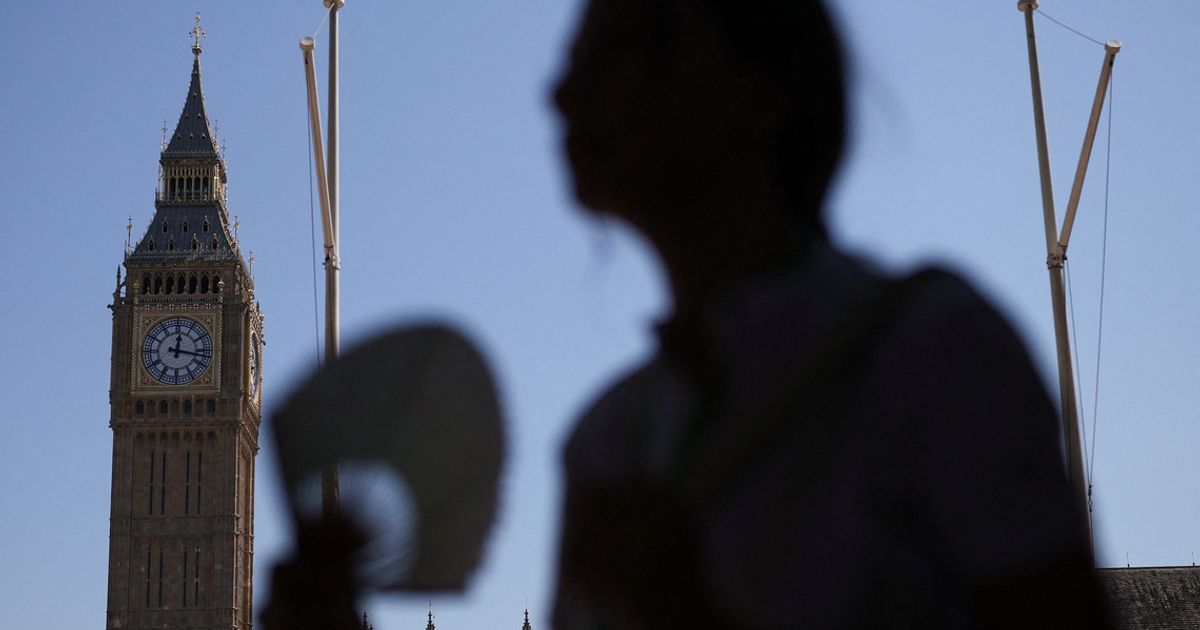
UKHSA Data Shows 5,258 Heat-Linked Deaths in England, Record High
England recorded 5,258 heat‑linked deaths from May through September 2026, the highest annual total since the UK Health...
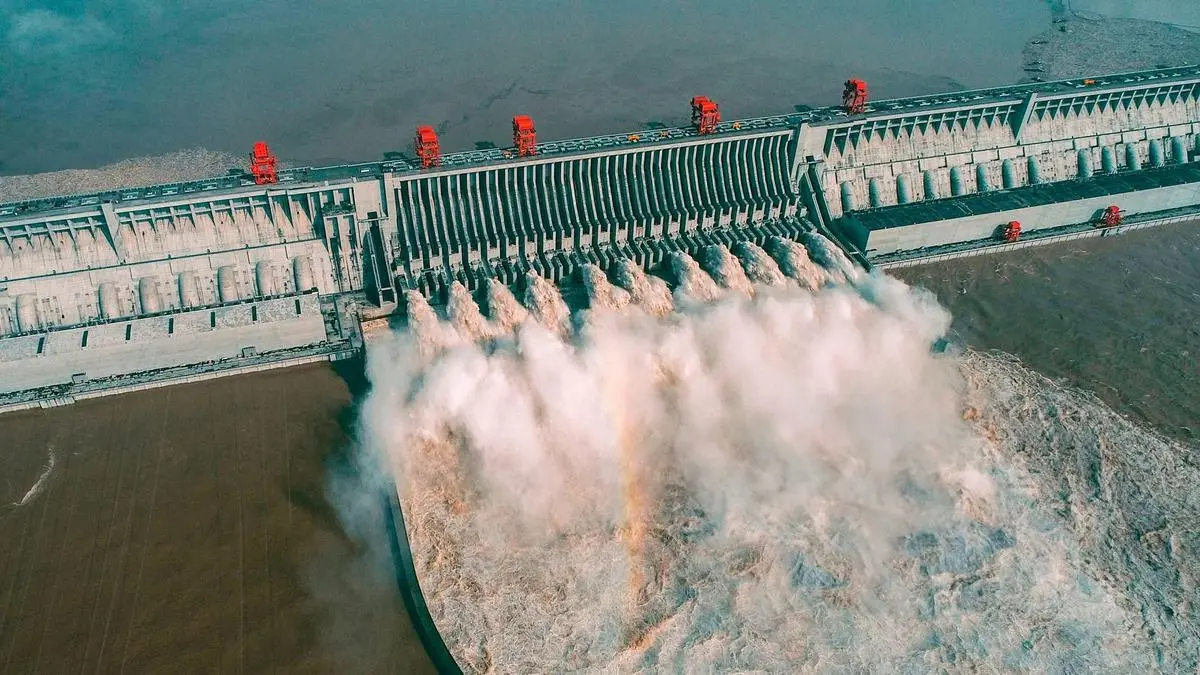
Satellite Imagery Shows China’s 60 GW Medog Dam Advances to River Diversion Stage Near Arunachal Border
Satellite analysis by an Indian geospatial firm shows China has moved from site clearance to river diversion works...

US Loses Measles Elimination Status, Cases Near 6,000, Deaths Hit 14, Ars Technica Reports
The United States lost its measles-elimination status last week after the virus circulated uninterrupted for 12 months, a...