The legislation now faces a difficult test in the Senate before it can reach President Donald Trump.
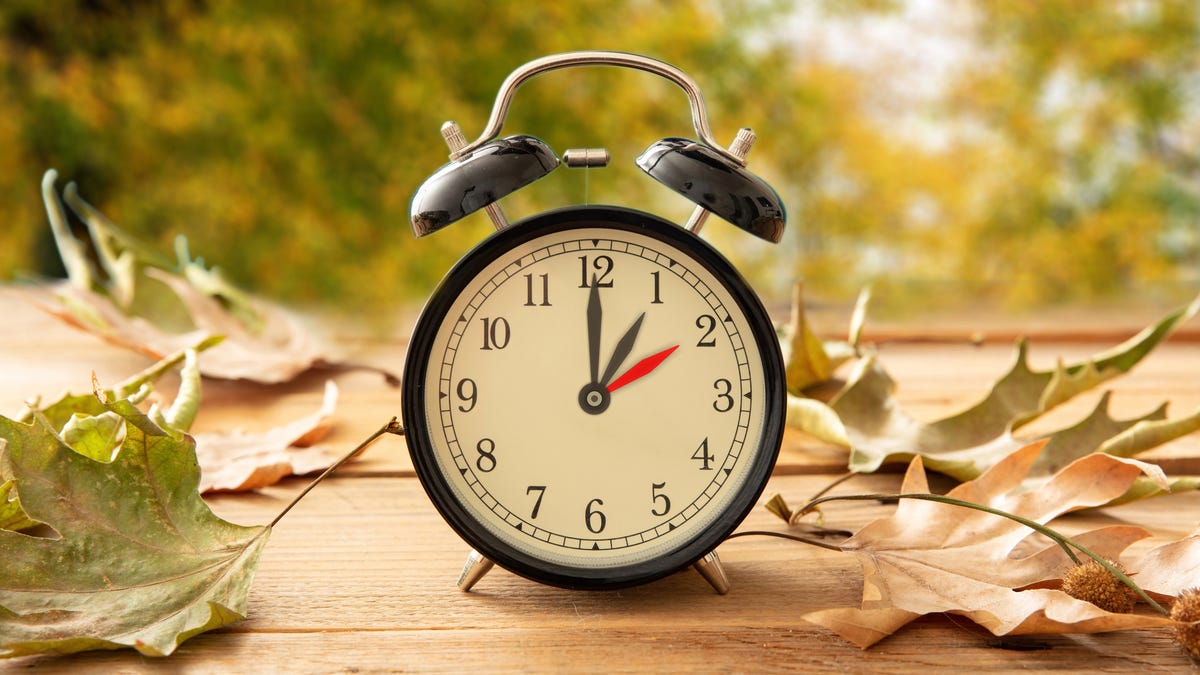
Twice a year, millions of Americans perform the same sleepy ritual: hunt for the right clock, wonder whether it is spring forward or fall back, and spend the next few days feeling slightly off. Now, Congress has taken a major step toward ending that routine for good.
The House Vote and Legislative Path
The House of Representatives moved to allow states to enact daylight saving time year-round. The measure passed by a bipartisan 308-117 vote, sending the legislation to the Senate for consideration. The House approved the bill on July 14, after it advanced through committee days earlier.
If enacted, the would keep the nation on daylight saving time year-round, meaning clocks would no longer fall back each November. Before it can become law, however, the measure must pass the Senate and then be signed by President Donald Trump.
Senate Hurdles and Safety Concerns
That is where the bill faces its toughest test. While the House vote drew broad bipartisan support, some senators have raised concerns about darker winter mornings if daylight saving time remains in effect year-round. Opponents have argued that, in some parts of the country, children could be heading to school before sunrise during the winter months.

According to NBC News, Sen. Tom Cotton has maintained concerns that permanent daylight saving time could create dangerous, dark morning commutes
and lead to extremely late winter sunrises.
Geographic variability adds another layer of complexity to the debate. The discussion rarely focuses on the key issue, which is the latitude of states and the difference between sunrise and sunset times at different times of the year. Northern states experience the greatest variability between the shortest and longest days, with Seattle seeing a swing of 7.5 hours, while Key West, Florida, has a variability of only about three hours.
Presidential Support and Potential Benefits
President Trump has publicly backed the effort.
Supporters say permanent daylight saving time could provide more evening daylight, encourage outdoor activity, and eliminate disruptions tied to changing clocks twice a year.
What Happens to the 2026 Clock Changes
There is no official timeline for when the Senate might vote on the legislation, and several previous efforts to make daylight saving time permanent have stalled before reaching the finish line. For now, Americans should still expect clocks to change this November unless Congress completes action on the bill and Trump signs it.
Daylight saving time in the United States began on March 8, 2026, when clocks moved forward one hour at 2 a.m. local time. It is currently scheduled to end on Nov. 1, 2026, when clocks will be turned back one hour at 2 a.m. local time. Unless Congress passes the Sunshine Protection Act and it becomes law, Americans should still expect to fall back this November, with the twice-yearly clock change remaining in effect nationwide except in places such as Hawaii and most of Arizona, which do not observe daylight saving time.
Related reading

Worker Dies After Being Struck by Compressed Air Hose at Jurong Port Road
A 35-year-old worker died at a Jurong Port Road construction site on September 11, 2026, after being struck...

Singapore Police Investigate Three Traffic Officers Over Unsafe Riding Footage
The clip, which surfaced online, shows the outriders cutting across lanes and forcing sudden braking near the Traffic...
Justice Department Deports Legal Resident to Afghanistan in First ATRC Case
The Justice Department deported a 47-year-old legal U.S.

Mahnoor Safdar Marries Azan Jabbar Today at Jati Umra Estate
The private family gathering brings together close family and invited guests for the celebration.