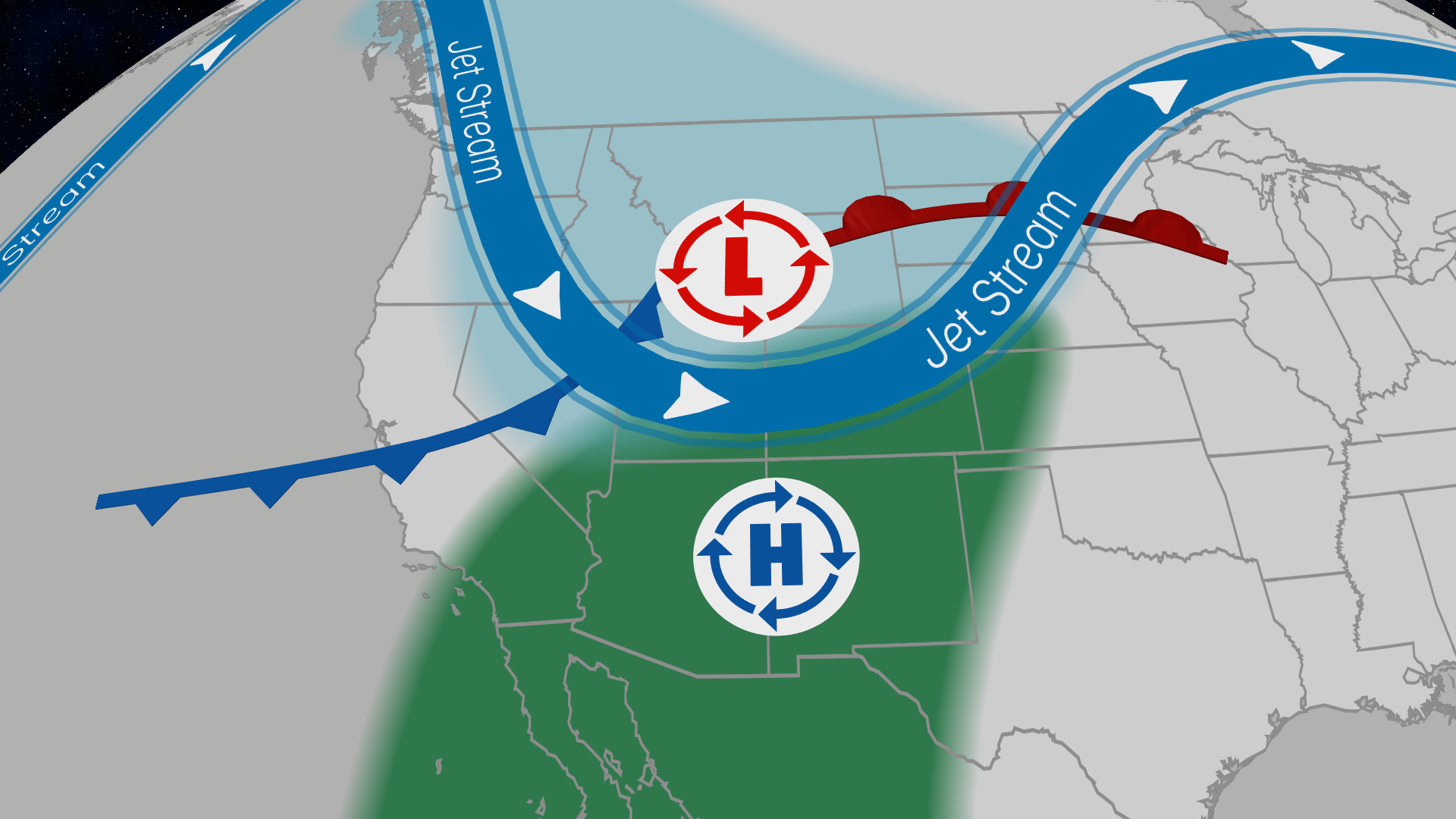
When the Desert Spins
If you live in the Southwest, severe weather and tornadoes rarely interrupt an afternoon.
Northern and eastern Arizona experienced not just their first tornado watch in 16 years, but two such watches in two days, according to weather.com. Those alerts materialized when an EF1 tornado touched down southeast of Sedona.
Tracking the October Outbreak Across Arizona and New Mexico
The unusual sequence of events spanned from October 20 to October 27, leaving a trail of confirmed touchdowns and reported sightings across two states typically unaccustomed to violent rotation. In total, five tornadoes have been confirmed by meteorologists, while several others were spotted and reported to the National Weather Service with little to no structural damage.
A tornado watch has been issued for parts of Arizona until 6 PM MST pic.twitter.com/yKHSpEpHCr
Before these desert events startled residents, an unusual high-elevation EF2 tornado touched down in southern Utah earlier in the fall at an elevation exceeding 6,000 feet. While people generally associate twisters with the flat expanses of Oklahoma or Kansas, the fundamental rules of meteorology do not respect state lines.
The Atmospheric Recipe Behind Desert Twisters
Severe weather requires a precise combination of ingredients: wind shear, lift, instability, and moisture. While wind shear and lift are regular features across the Southwest, instability and moisture are usually missing from the equation.

This October broke that pattern. Several tropical systems funneled deep moisture into the region, injecting the necessary instability and wind shear to trigger rotation. Hurricanes Polo and Rachel pulled unusual, record-setting moisture from Mexico into the central United States, altering atmospheric conditions thousands of miles away from their origins.
While El Niño did not directly cause the severe weather outbreak, meteorologists note it likely boosted the conditions that allowed Polo and Rachel to form in the first place.
Preparing for Rare Risks
Where twisters are uncommon, the infrastructure of public warning systems and structural safeguards is often thinner. Every U.S. state has recorded a tornado, proving that unusual weather patterns can turn quiet regions tornadic when the atmospheric ingredients align.
Residents in vulnerable areas can take basic precautions by activating wireless emergency alerts on mobile devices and keeping track of official updates. Knowing the location of a secure shelter—such as the most interior room on the lowest dry floor of a sturdy building—remains the best defense when severe weather strikes outside its historical boundaries.
Keep reading

Lewiston is among the Maine schools that are adding more recess breaks. Here’s why
Lewiston Schools Add Recess Breaks to Improve Focus Across several Maine districts, administrators are quietly altering the daily...

Trudy Redus, founder of Motivating People Across Communities (MPAC), has officially earned the
Professional Milestones and Community Resilience in Jefferson County Trudy Redus, founder of Motivating People Across Communities (MPAC), has...

In numbers: Manchester United the worst in the transfer window, Real Madrid runner-up
Manchester United Leads Europe in Transfer Market Losses With £334 Million Deficit Manchester United has managed the transfer...

How to Get Into UNLV: A Complete Guide to First-Year Admission Requirements
For students figuring out how to get into the University of Nevada, Las Vegas for the 2026-2027 academic...